
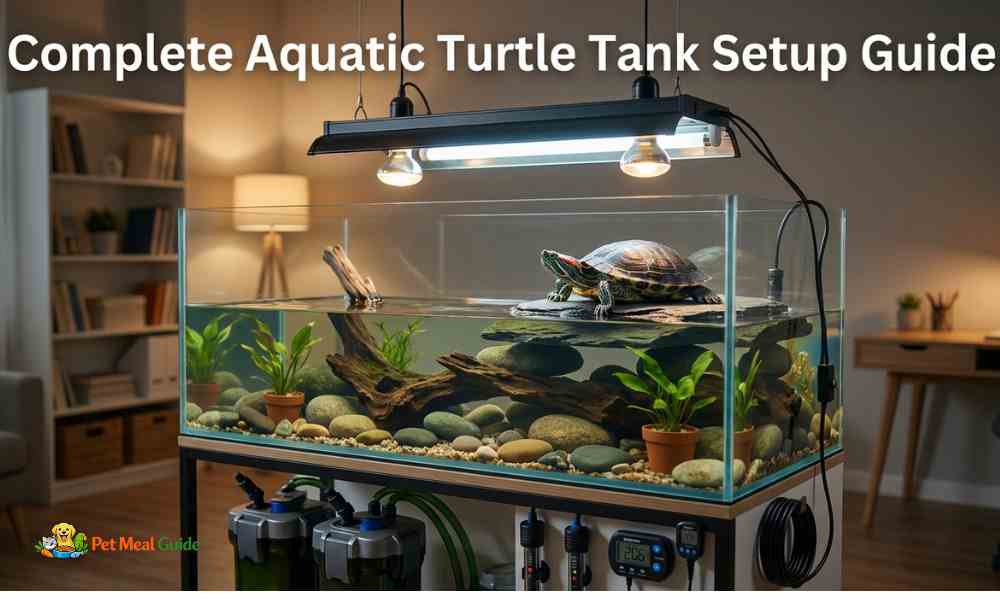
Complete Aquatic Turtle Tank Setup Guide (Step-by-Step Habitat Setup for Healthy Turtles)
Building the perfect aquatic turtle tank setup is the single most important commitment you will make as a reptile owner. Whether you are bringing home a silver-dollar-sized hatchling or rescuing a fully grown Red-Eared Slider, an improperly designed aquatic turtle tank is a recipe for disaster. Turtles are highly intelligent, incredibly messy, and biologically complex creatures.
Here at Pet Meal Guide, we have spent years researching reptile nutrition, turtle husbandry, and habitat design. We consistently consult veterinary recommendations from leading institutions like the Association of Reptile and Amphibian Veterinarians (ARAV). What we have found is startling: a vast majority of turtle health problems—from metabolic bone disease to respiratory infections—originate directly from poor habitat setups rather than nutrition alone. Understanding the nuances of setting up aquatic turtle tank environments, from heavy-duty filtration to precise UVB output, is non-negotiable for their survival.
While mastering their environment is crucial, understanding their dietary requirements goes hand-in-hand with habitat design. Before we dive into the tanks, make sure you understand the dietary foundation by reading our complete guide on What Do Turtles Eat?.
Quick Turtle Tank Requirements Table
If you are looking for a rapid overview of what aquatic tanks for turtles require, use this veterinary-aligned cheat sheet before diving into the detailed steps below.
| Habitat Component | Minimum Baseline Recommendation |
|---|---|
| Tank Size | 10 gallons of water per 1 inch of turtle shell length |
| Water Depth | Species-specific (Generally 1.5x to 2x the width of the turtle’s shell) |
| UVB Lighting | Absolutely Required (T5 HO linear bulbs highly recommended) |
| Filtration | Filter rated for 2 to 3 times the actual tank volume |
| Basking Temperature | Species-specific (Usually 85°F – 95°F / 29°C – 35°C) |
| Water Temperature | Species-specific (Usually 72°F – 80°F / 22°C – 26°C) |
| Cleaning Schedule | Weekly 25-30% water changes; monthly filter maintenance |
Setting Up an Aquatic Turtle Habitat: The Science Behind the Tank
A successful turtle tank is not just a glass box with water; it is a carefully balanced ecosystem. Creating a thriving environment requires natural habitat replication, environmental enrichment (to prevent psychological stress), deep water for their swimming needs, and a highly specific basking behavior protocol.
The Science of Thermoregulation
According to the Merck Veterinary Manual, turtles are ectothermic (cold-blooded). They cannot generate their own body heat. In the wild, they regulate their internal temperature by moving between cool water and sun-baked rocks. In your tank, if you do not provide a steep temperature gradient—cool water paired with a hot, dry basking spot—their metabolism will crash, halting digestion and suppressing their immune system. This makes them highly susceptible to deadly respiratory infections.
A Complete Guide to Setting Up a Turtle Tank Enclosure
Building the best aquatic turtle tank setup can seem overwhelming to beginners, but it can be broken down into a methodical, step-by-step process. In the sections below, we will guide you through calculating tank size, choosing the perfect biological filtration, selecting heavy-duty glass, installing life-saving UVB lighting, and designing a beautiful, enriching underwater landscape.
Do Your Research Into What Your Turtle Needs
There is no “one size fits all” turtle tank. The biggest mistake new owners make is buying a generic “turtle kit” from a pet store without understanding the specific species they have purchased. A tiny green hatchling will not stay tiny for long.
| Turtle Species | Average Adult Size (Shell Length) | Minimum Adult Tank Size | Swimming Profile |
|---|---|---|---|
| Red-Eared Slider | 8 – 12 inches (Females are larger) | 75 – 120+ gallons | Strong, highly active swimmers |
| Painted Turtle | 5 – 10 inches | 55 – 75+ gallons | Active swimmers; love deep water |
| Map Turtle | 5 – 10 inches | 75+ gallons | Require pristine water quality and high currents |
| Musk / Mud Turtle | 3 – 5 inches | 40+ gallons | Bottom walkers; prefer shallower water and branches |
Note: If you are setting up a baby aquatic turtle tank setup, you can start with a smaller tank (like a 20-long or 40-gallon breeder), but be prepared to upgrade rapidly within the first two years of their life.
Choose the Right Tank
When searching for the best tank for aquatic turtles, you must account for the sheer weight of the water and the space required for an adult. You are ultimately looking for a large aquatic turtle tank.
- Glass Aquariums: The most common choice. They offer brilliant viewing clarity. However, ensure the glass is thick enough to hold the massive water volume without bowing. Look for “breeder” style tanks, which offer more horizontal floor space rather than tall, narrow vertical space.
- Acrylic Tanks: Lighter than glass and slightly stronger, but they scratch very easily. A turtle’s sharp claws will inevitably scuff the viewing panels over time.
- Stock Tanks (Water Troughs): Made of heavy-duty black structural foam or galvanized steel (often used for livestock). These are incredibly cheap per gallon, virtually indestructible, and make amazing indoor ponds for massive female sliders.
- Custom Indoor Ponds: Built using timber and heavy pond liners. Excellent for creating a massive footprint in a basement or heated garage.
Tank Size Chart (The Golden Rule)
Herpetologists strictly follow the “10 gallons per inch of shell” rule. This refers to the actual volume of water the turtle swims in, not the size of the glass box (since tanks cannot be filled to the absolute brim without the turtle escaping).
| Turtle Shell Length (Inches) | Minimum Water Volume Required |
|---|---|
| 2 inches (Hatchling) | 20 gallons |
| 4 inches (Juvenile) | 40 gallons |
| 6 inches (Young Adult) | 60 gallons |
| 8 inches (Adult) | 80 gallons (75-gallon long tank minimum) |
| 10+ inches (Large Female) | 100 to 125+ gallons |
Setting Up Your Turtle Tank: Step-by-Step
Once you have purchased your aquarium or stock tank, it is time to assemble the habitat.
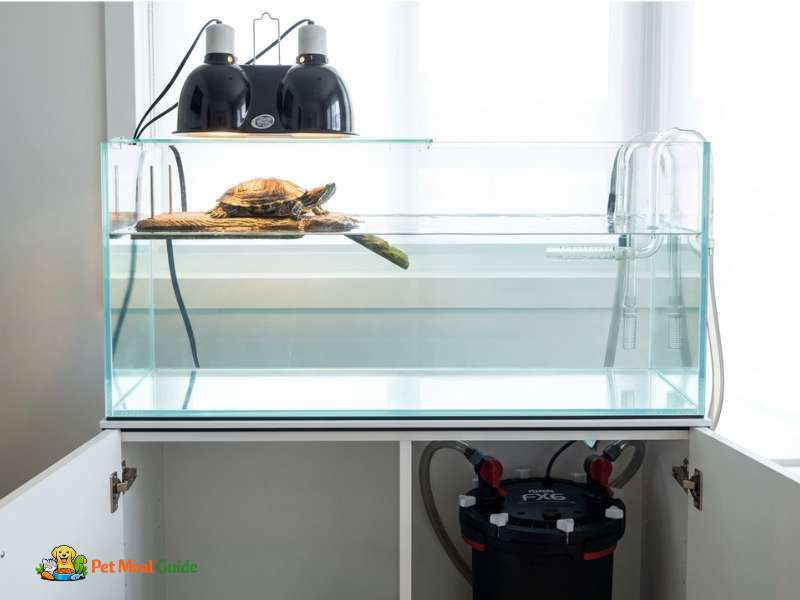
Best Place to Put a Turtle Tank
Location is a critical first step because once a 75-gallon tank is filled with water, it weighs over 800 pounds. It cannot be moved easily.
- Sunlight Exposure: Never place a turtle tank in direct sunlight (like near a large south-facing window). Glass magnifies heat, and direct sun will quickly turn the tank into a lethal greenhouse, rapidly overheating the water. It also triggers massive algae blooms.
- Drafts and Vents: Keep the tank away from AC vents, drafty doors, or uninsulated walls to maintain consistent heating.
- Noise and Traffic: Turtles are easily stressed by loud noises, slamming doors, and heavy foot traffic. Choose a quiet, peaceful corner of the house.
- Floor Support: Large setups require a heavy-duty, reinforced aquarium stand. Ensure your home’s floor joists can support the extreme weight.
Ensure Proper Filtration and Water Quality
Turtles are famously messy. They eat in the water, shed their skin in the water, and defecate in the water. To survive, you must invest heavily in aquatic turtle tank filters.
A standard fish filter will clog and fail within a week. You need heavy-duty filtration that performs three distinct functions:
- Mechanical Filtration: Sponges and filter floss that physically trap solid waste, uneaten food, and shed scutes.
- Biological Filtration: Highly porous ceramic rings or bio-balls that house millions of beneficial bacteria. These bacteria eat the deadly ammonia produced by turtle waste and convert it into less toxic nitrates (the Nitrogen Cycle).
- Chemical Filtration: Activated carbon or Purigen that removes odors, tannins, and water discoloration.
Recommended Filter Types
| Filter Type | Best For | Effectiveness for Turtles |
|---|---|---|
| Canister Filter | Large tanks (55+ gallons) | ⭐ Excellent. Highly recommended. Houses massive amounts of biological media. |
| Hang-On-Back (HOB) | Small tanks (Under 40 gallons) | Moderate. Clutter-free but often clogs quickly with turtle waste. |
| Internal Submersible Filter | Temporary setups or shallow water | Poor. Takes up swimming space and struggles to handle heavy bioloads. |
Best Aquatic Turtle Tank Filters
As a rule of thumb, always buy a filter rated for 2 to 3 times the size of your actual tank volume. If you have a 55-gallon tank, you need a filter rated for 110 to 150 gallons. Here is our curated list of the best filter for aquatic turtle tank setups:
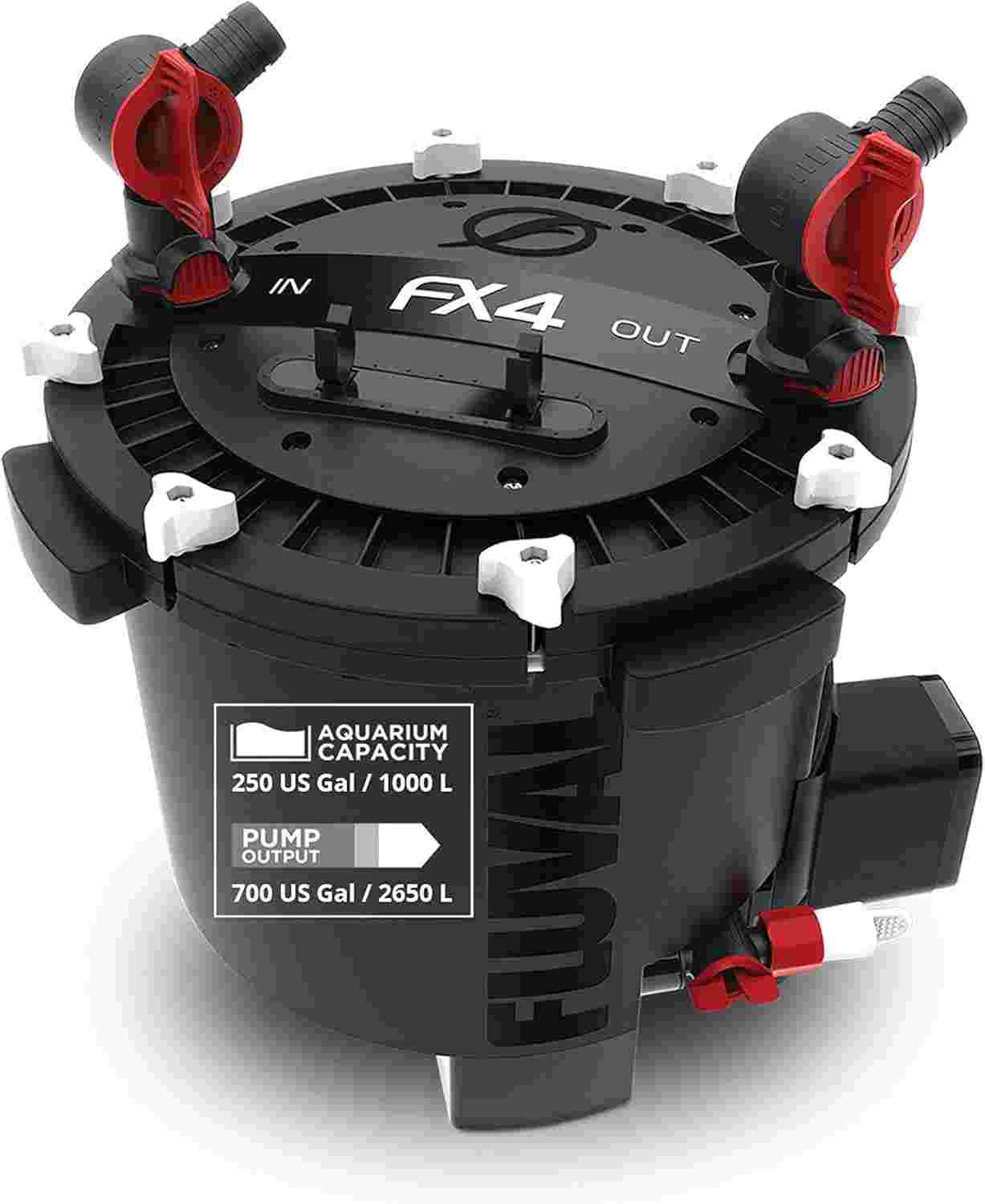
Fluval FX4 Canister Filter
The gold standard for tanks up to 250 gallons. Massive media capacity and smart-pump technology.
Check on Amazon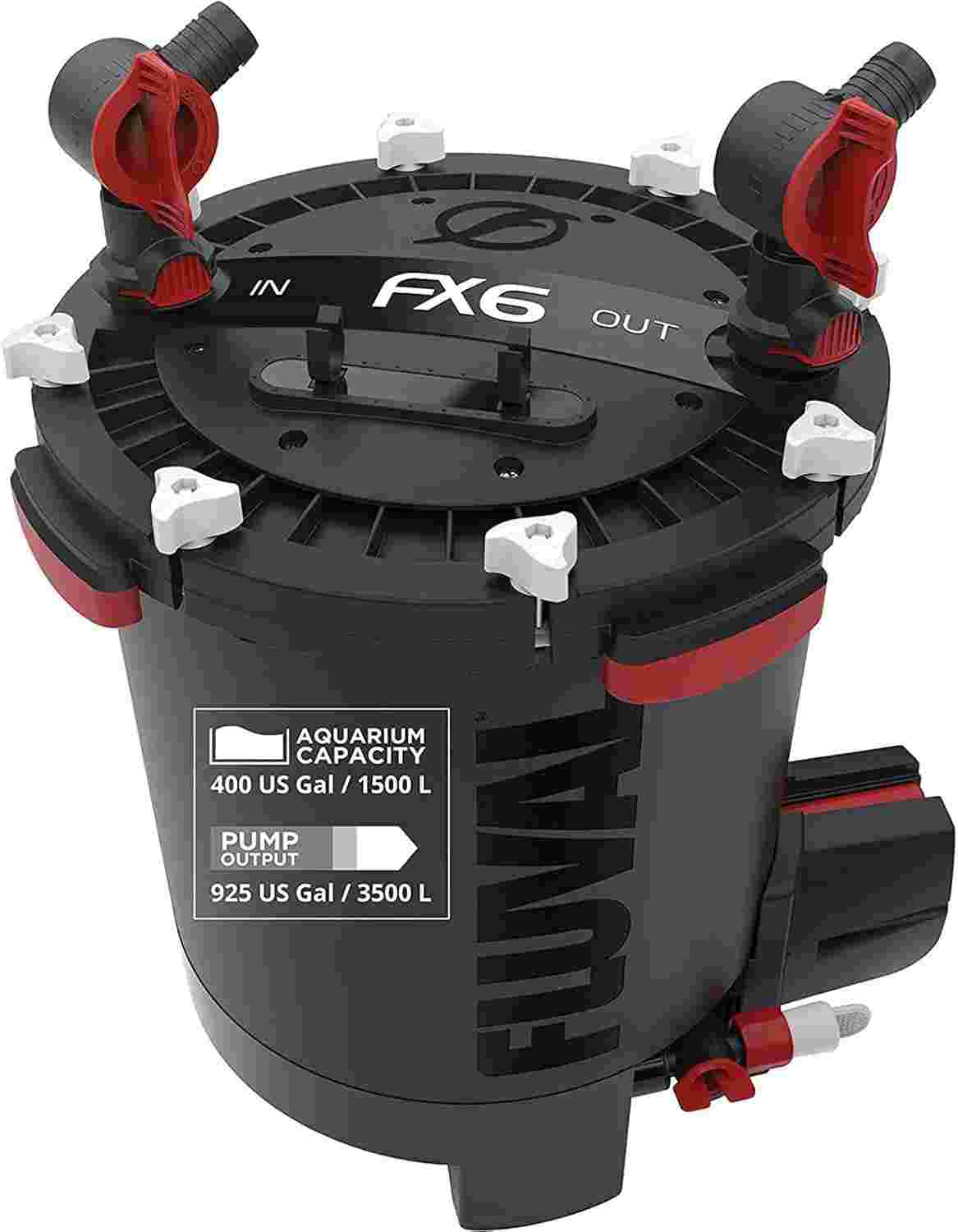
Fluval FX6 Canister Filter
For massive stock tanks and indoor ponds (up to 400 gallons). Unbeatable biological filtration.
Check on Amazon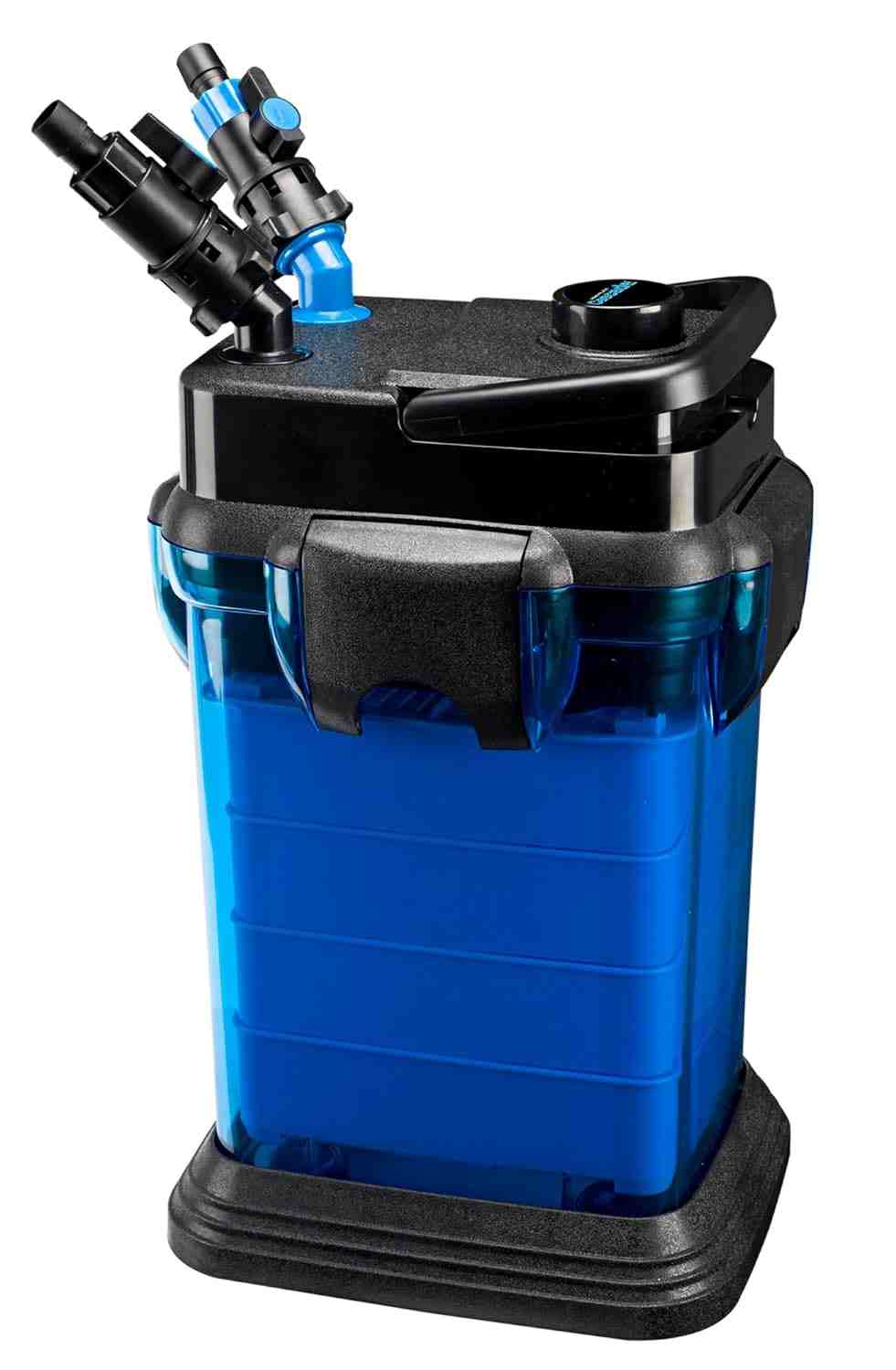
Penn-Plax Cascade 1200
Excellent budget-friendly alternative for tanks up to 100 gallons. Very reliable mechanical trapping.
Check on Amazon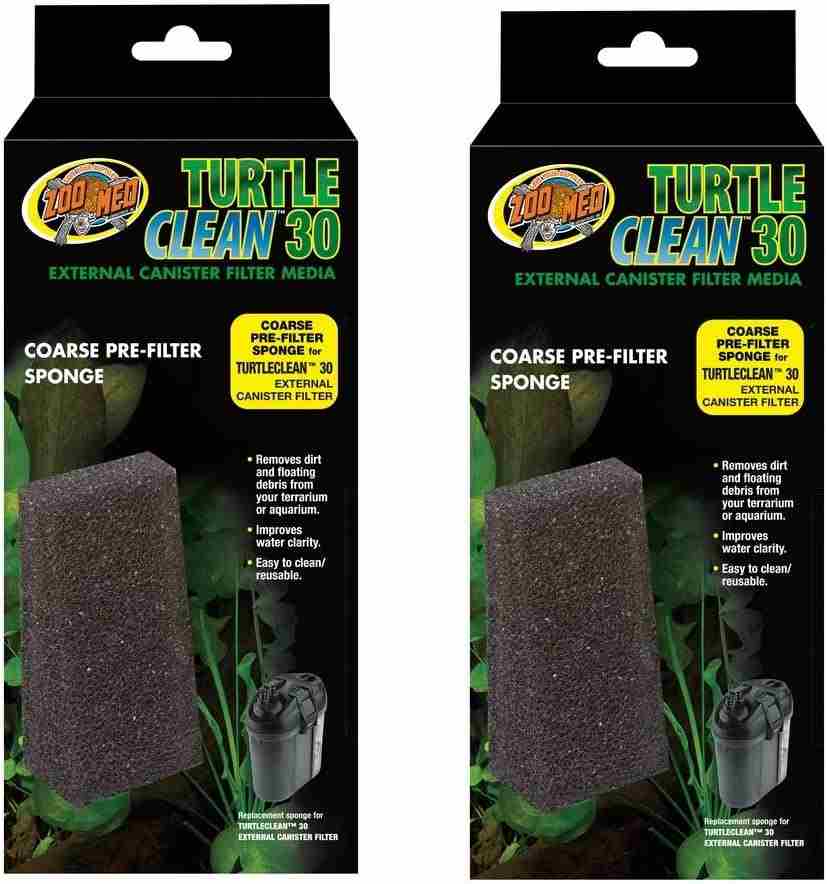
Zoo Med Turtle Clean 511
Ideal for baby turtles in smaller 20 to 40-gallon starter habitats.
Check on Amazon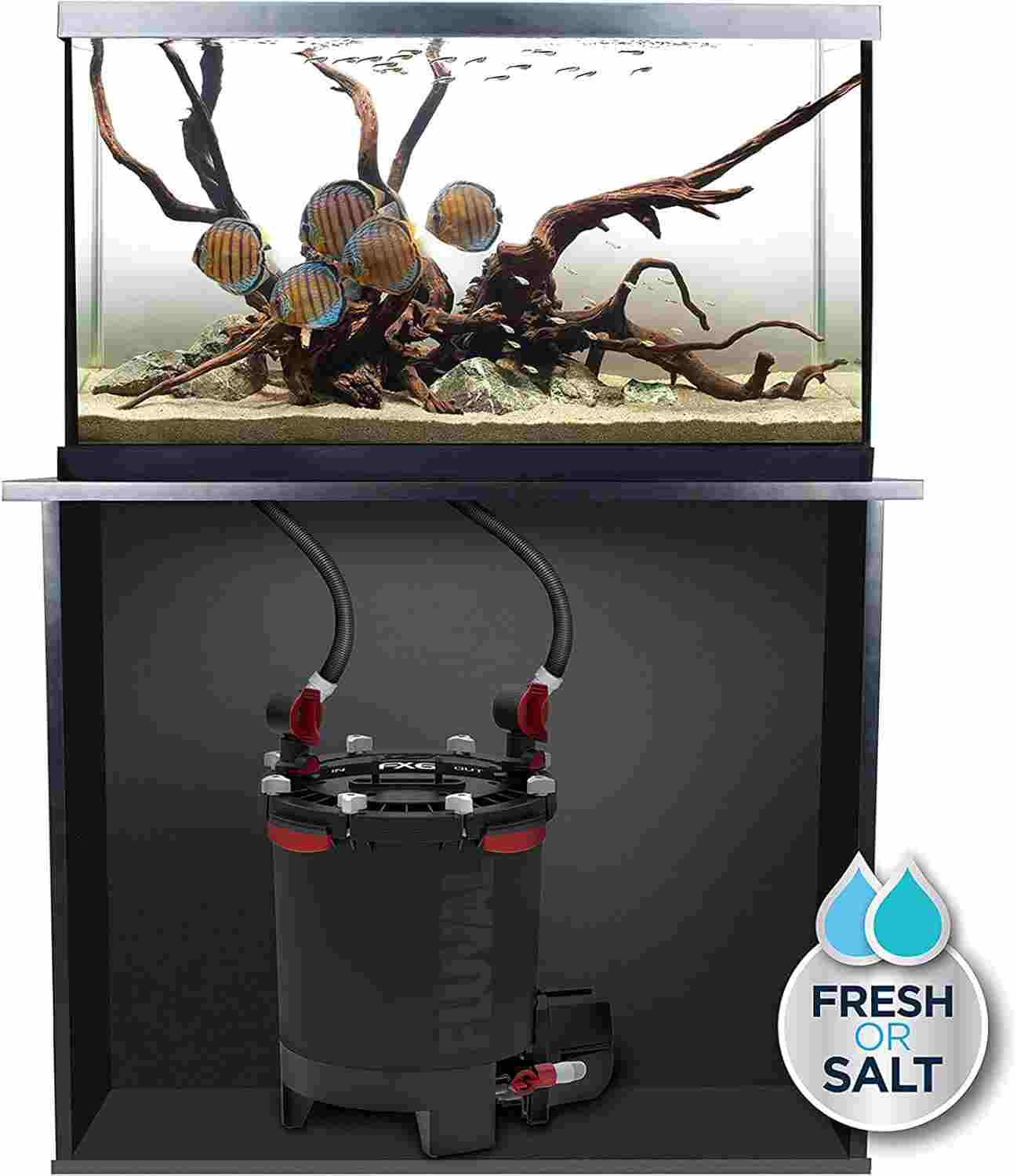
Maintain Consistent Water Temperature
To keep your turtle’s metabolism functioning, the water must be heated properly. Use a shatterproof, fully submersible aquarium heater (protected by a plastic guard so your turtle cannot break it). Always utilize a reliable digital thermometer to monitor the water.
- Hatchlings & Juveniles: Generally require slightly warmer water (78°F – 80°F) to support their rapid growth and sensitive immune systems.
- Adult Sliders & Painted Turtles: Thrive in water ranging from 74°F to 76°F.
- Mud & Musk Turtles: Comfortable around 75°F to 78°F.
Provide an Accessible Basking Area
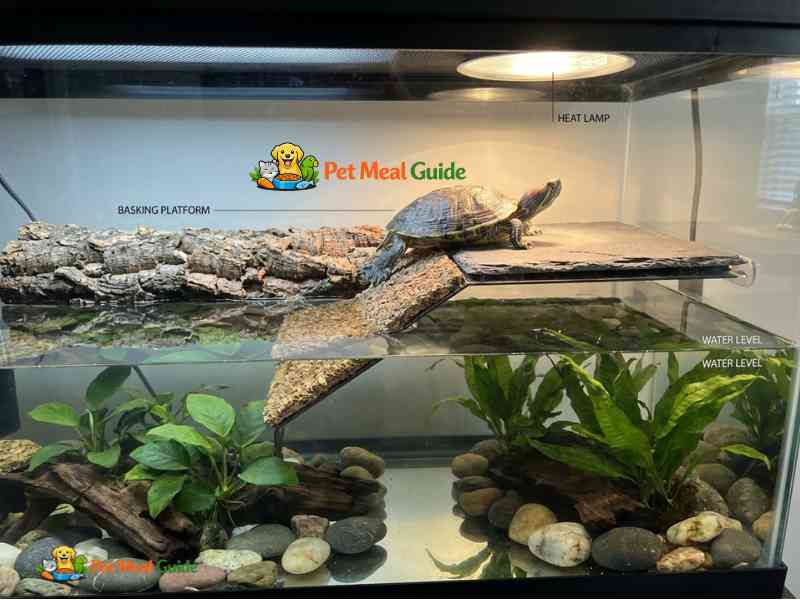
A turtle spends a massive portion of its day basking. This dry land area is not optional. When a turtle basks, the heat accelerates their digestion, and drying out their shell entirely prevents fungal infections, algae growth, and deadly shell rot.
The basking dock must be completely out of the water, easy to climb onto, and large enough for the turtle to comfortably sprawl out without balancing precariously.
Use UVB Lighting (The Lifesaver)
If you take away one piece of information from this guide, let it be this: Turtles will die a slow, painful death without high-quality UVB lighting.
The Science of Calcium and UVB
According to extensive lighting research from organizations like Arcadia Reptile, reptiles cannot absorb dietary calcium without Vitamin D3. When a turtle basks under a UVB bulb, the ultraviolet radiation penetrates their skin and converts cholesterol into previtamin D3, which the liver and kidneys then process into active Vitamin D3. This allows the intestines to absorb calcium from their food to build a hard shell. Without UVB, the turtle develops Metabolic Bone Disease (MBD)—their shell becomes soft like a sponge, their spine warps, and their jaw deforms.
You need two distinct lights pointed directly at the basking dock (usually housed in dual dome fixtures or separate hoods):
- A Heat Bulb: A halogen or incandescent bulb that creates a basking spot temperature of 85°F to 95°F.
- A UVB Bulb: We strongly recommend linear T5 High Output (HO) tubes (like the Arcadia T5 12% or Zoo Med ReptiSun 10.0). Coil UVB bulbs are notoriously weak and often fail to project enough radiation down to the turtle’s shell.
Remember: UVB cannot penetrate glass or plastic. There must be nothing between the bulb and the turtle except a wire screen mesh. UVB bulbs must be replaced every 6 to 12 months, as they stop emitting invisible UV radiation long before they stop emitting visible light.
Choose the Best Substrate
Finding the best substrate for aquatic turtle tank environments is about balancing aesthetics with safety. Turtles are curious foragers; if a rock can fit in their mouth, they will swallow it, leading to a fatal intestinal impaction.
| Substrate Type | Safety Level | Pros & Cons |
|---|---|---|
| Bare Bottom (No Substrate) | ✅ Excellent (100% Safe) | Not perfectly natural looking, but incredibly easy to clean. No risk of impaction. Highly recommended for beginners. |
| Large River Rocks | ✅ Good (Safe) | Looks beautiful and natural. Must be larger than the turtle’s head so they cannot swallow them. Waste can trap underneath, requiring deeper vacuuming. |
| Fine Sand | ⚠️ Moderate | Turtles love to dig in it. Fine sand safely passes through the digestive tract if accidentally eaten. However, it can occasionally get sucked into canister filter impellers. |
| Standard Aquarium Gravel | ❌ Avoid (Dangerous) | The absolute worst choice. It perfectly fits in their mouth and causes deadly impactions. Never use fish gravel for turtles. |
Choose Enriching Habitat Decor
To prevent boredom, you should decorate the tank with purpose. Use large pieces of smooth driftwood (which provides resting spots near the surface), large PVC pipes or resin caves for hiding (ensure the turtle cannot get physically stuck underwater), and heavy rocks.
Live plants (like Anacharis, Water Lettuce, and Duckweed) provide incredible natural enrichment and help absorb nitrates, but be warned: your turtle will eventually eat them all. Fake silk or plastic plants can be used, but must be removed if your turtle attempts to bite pieces off.
Decorating Your Turtle Tank: 10 Aquatic Turtle Tank Setup Ideas
If you are looking for aesthetic inspiration, here are ten distinct aquatic turtle tank setup ideas used by advanced keepers and zoos:
- The Natural River Habitat: Uses a fine sand bottom, large, smooth river stones, and heavy pieces of Manzanita driftwood positioned to break the water’s surface, simulating a slow-moving creek.
- The Planted Turtle Tank: Heavily relies on tough, turtle-safe live plants like Java Fern and Amazon Swords glued to driftwood, paired with floating Water Hyacinth to diffuse harsh lighting.
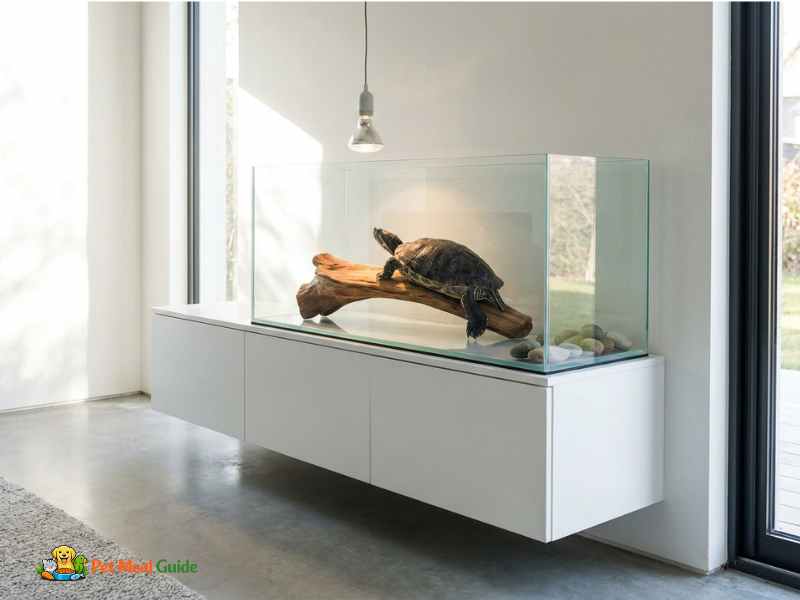
- The Minimalist Setup: A bare-bottom tank with a sleek, above-tank basking topper and perfectly clear water. Favored by keepers who prioritize pristine hygiene and ease of cleaning over aesthetics.
- The Turtle Island Theme: Uses a large, central built-up island made of slate and pond foam, surrounded by deep water on a 360-degree perimeter.
- The Rockscape Design: Utilizing stacked (and securely silicone-glued) river stones to create an underwater mountain range with a shallow shelf near the surface for resting.
- The Mangrove Layout: Employs large, vertical spider wood or branching driftwood pointing downward into the water to mimic the roots of a mangrove swamp, offering a maze for Musk turtles to navigate.
- The Bioactive Inspired Habitat: Involves introducing a cleanup crew of ghost shrimp, nerite snails, and heavily oxygenated live plants to create a self-sustaining micro-ecosystem (though the turtle will hunt the crew).
- The Large Indoor Pond: Utilizing a 150-gallon Rubbermaid stock tank on the floor with a custom-built wooden basking ramp. Ideal for massive, adult female Sliders.
- Semi Aquatic Turtle Tank Setup: Perfect for species that spend equal time on land and water. Typically uses a piece of plexiglass siliconed diagonally to separate a deep water zone from a deep, soil-filled land zone for burrowing. Wondering how to setup a semi aquatic turtle tank? Focus on high humidity and a gradual water-to-land ramp.
- Baby Aquatic Turtle Tank Setup: A highly controlled, shallow-water environment (water depth only twice the width of the baby’s shell) packed with dense artificial vines so the hatchling can easily rest near the surface without exhausting themselves. If you are learning how to setup an aquatic baby turtle tank, prioritize safety and easy access to air.
Consider Dietary Needs and Feeding Times
The health of your habitat relies heavily on what you put into it. Feeding turtles correctly prevents massive ammonia spikes and water fouling.
Juvenile turtles require a highly carnivorous diet rich in protein to fuel rapid growth, while adults transition to a heavily herbivorous diet. For an in-depth breakdown of early-stage nutrition, read our guide on What to Feed Baby Turtles.
To keep the tank clean, many experts recommend feeding turtles in a separate, small plastic tub filled with warm tank water. Once they finish eating and defecate in the tub, you can return them to their pristine tank. If you prefer to feed in the main tank, always scoop out uneaten food after 15 minutes.
Explore more nutritional nuances in our Reptile Feeding Guide and discover the Best Feeder Insects for Reptiles to supplement their pelleted diet.
⚠️ Common Habitat Mistakes That Harm Turtles
- No UVB Lighting: Using a glass window or a heat bulb instead of a dedicated UVB bulb leads directly to fatal Metabolic Bone Disease.
- Undersized Tanks: Keeping a 6-inch turtle in a 20-gallon tank stunts their growth, causes extreme stress, and concentrates toxins in the water.
- Poor Filtration: Relying on cheap, small internal filters results in toxic ammonia spikes that burn the turtle’s eyes and respiratory tract.
- Dirty Water: Failing to perform weekly water changes leads to bacterial blooms and deadly shell rot.
- Inadequate Basking: A dock that sinks under the turtle’s weight prevents them from drying off, leading to fungal infections.
Stay on Top of Monitoring and Maintenance
If you want to know how to keep aquatic turtle tank clean, the secret is strict, unwavering routine maintenance. Do not wait for the water to look dirty or smell bad—by that point, the water chemistry is already highly toxic.
Weekly Maintenance Checklist
| Task | Action Required |
|---|---|
| Water Change | Remove and replace 25% to 30% of the tank’s water using a gravel siphon. |
| Water Treatment | Always treat tap water with a reptile-safe water conditioner (like ReptiSafe) to remove chlorine and chloramines before adding it to the tank. |
| Glass Cleaning | Scrub algae off the glass using a magnetic algae scraper or clean sponge. |
| Debris Removal | Use a net to scoop out large pieces of shed skin (scutes), plant matter, and solid waste. |
Monthly Maintenance Checklist
| Task | Action Required |
|---|---|
| Filter Cleaning | Open the canister filter. Rinse the sponges and mechanical media to remove sludge. |
| Bio-Media Care | Crucial: Only rinse ceramic bio-rings in a bucket of old tank water. Rinsing them under chlorinated tap water will kill the beneficial bacteria and crash your tank’s nitrogen cycle. |
| Hardware Check | Inspect the heater for cracks. Ensure the water temperature is holding steady. |
Turtle Tank Cleaning Schedule: The Best Way to Clean
The best way to clean aquatic turtle tank environments is by utilizing a gravel vacuum. Start a siphon and push the vacuum deep into the sand or river rocks to suck up the dense, trapped detritus hidden beneath the surface. Empty this dirty water into buckets. Refill the tank with temperature-matched, dechlorinated tap water. Never use harsh chemical cleaners, bleach, or soap inside the aquarium.
Signs Your Turtle Habitat Needs Immediate Attention
If your habitat maintenance slips, your turtle will show physical signs of distress. Act immediately if you notice:
- Cloudy, Foul-Smelling Water: Indicates a massive ammonia spike and filter failure. Do an immediate 50% water change.
- Shell Rot: White, pitting, or foul-smelling soft spots on the shell indicating a bacterial/fungal infection from dirty water and poor basking.
- Lethargy or Floating Lopsided: A turtle floating sideways, blowing bubbles from its nose, or refusing to eat is likely suffering from a deadly respiratory infection caused by cold water or drafts. Read our veterinary overview on the Signs of Respiratory Infection in Turtles for immediate triage steps.
Recommended Amazon Products Section
Building the perfect habitat requires high-quality gear. Based on veterinary recommendations and decades of herpetology feedback, here are the absolute best products to buy for your setup.
| Category | Top Recommended Product | Why We Recommend It |
|---|---|---|
| Aquariums | Tetra Aquarium 55 Gallon Kit | Great starter size for juveniles, thick glass, and reliable seals. |
| Aqueon Standard Glass Aquarium (75g) | The standard minimum for adult male Sliders. Wide footprint. | |
| Marineland Aquarium Kit | Sleek design with robust silicone construction for heavy water loads. | |
| Filters | Fluval FX4 / FX6 | The undisputed kings of turtle filtration. Unmatched biological capacity. |
| Penn-Plax Cascade Canister | Highly affordable, easy to prime, and reliable mechanical filtration. | |
| Zoo Med Turtle Clean 511 | Perfect for shallow water setups or baby turtle enclosures. | |
| Heaters | Eheim Jager Heater | Incredibly accurate calibration and shatter-resistant glass. |
| Fluval E Heater | Features a tough plastic guard to prevent turtles from breaking the glass tube. | |
| UVB Lights | Arcadia T5 UVB Kit | The leading brand in reptile lighting research. Phenomenal UVB output. |
| Zoo Med ReptiSun T5 HO | A highly reliable, widely available linear UVB bulb that prevents MBD. | |
| Basking Docks | Penn-Plax Turtle Topper | Sits above the tank, allowing you to fill the water to the very top. |
| Zoo Med Turtle Dock | Self-leveling floating dock that adjusts automatically to water evaporation. | |
| Thermometers | Inkbird Digital Thermometer | Highly accurate probe thermometer to prevent accidental overheating. |
Frequently Asked Questions
How do you set up an aquatic turtle tank?
You set up an aquatic turtle tank by placing a large glass aquarium on a sturdy stand, adding a heavy-duty canister filter (rated for 2-3x the tank volume), installing a submersible water heater, placing a completely dry basking dock inside, and hanging dual heat and linear UVB lights directly over the dock.
What size tank does an aquatic turtle need?
The general herpetology rule is 10 gallons of water volume for every 1 inch of the turtle’s shell length. Therefore, an 8-inch adult Red-Eared Slider requires an absolute minimum of an 80-gallon tank.
Is a 10 gallon aquatic turtle tank enough?
No. A 10-gallon tank is drastically too small for any turtle, even a hatchling. It does not provide enough swimming space, and the small water volume will quickly become toxic with ammonia from their waste.
What is the best aquatic turtle tank setup?
The best setup includes a large 75 to 125-gallon tank, a bare bottom or large river rock substrate, a Fluval FX series canister filter, a secure above-tank basking topper (like the Penn-Plax), a shatterproof heater, and a T5 High Output UVB linear bulb.
How often should I clean my turtle tank?
You should perform a 25% to 30% partial water change using a gravel vacuum once a week. The mechanical sponges inside the canister filter should be rinsed out once every 3 to 4 weeks.
What is the best filter for aquatic turtle tank?
Canister filters are the best option because they hold massive amounts of biological media. The Fluval FX4 and FX6 are widely considered the gold standard for heavy turtle bioloads.
Can turtles live without UVB lighting?
No. Without UVB lighting, turtles cannot synthesize Vitamin D3, meaning they cannot absorb calcium. They will rapidly develop Metabolic Bone Disease (MBD), leading to deformed shells, paralysis, and painful death.
How deep should water be in an aquatic turtle tank?
For strong swimmers like Sliders and Painted turtles, the water should be as deep as possible—at least 1.5 to 2 times the width of the turtle’s shell so they can flip themselves over if they land upside down. Mud and Musk turtles prefer slightly shallower water with driftwood to climb on.
How do I keep my aquatic turtle tank clean?
Keep it clean by “over-filtering” the tank with a canister filter rated for three times the tank’s volume, performing weekly 25% water changes, avoiding overfeeding, and occasionally feeding the turtle in a separate plastic tub to keep food waste out of the main habitat.
What substrate is safest for turtles?
A bare-bottom tank (no substrate) is the absolute safest and easiest to clean. Large river rocks (bigger than the turtle’s head) or fine play sand are also acceptable. Never use standard aquarium fish gravel, as it causes fatal impactions.
What temperature should turtle water be?
Water temperature is species-specific. Generally, hatchlings need warmer water (78°F – 80°F), while adults prefer slightly cooler water (74°F – 76°F). The dry basking dock must always be significantly hotter (85°F – 95°F).
Can baby turtles live in large tanks?
Yes, baby turtles can absolutely live in large tanks, provided they have plenty of resting spots near the surface (like tall artificial plants or driftwood) so they do not exhaust themselves swimming to the top for air.
How much does a complete aquatic turtle tank setup cost?
A high-quality, comprehensive adult turtle setup (75-gallon tank, stand, canister filter, heater, basking dock, and specialized lighting) typically costs between $400 and $800, depending on the brands and whether items are purchased new or used.
What decorations are safe for turtles?
Large, smooth river rocks, heavy Mopani or spider driftwood, and large PVC pipes or resin caves are safe. Avoid small objects they can swallow, sharp rocks that can scratch their plastron, or tight caves where they could get wedged underwater and drown.
Can aquatic turtles live with fish?
Technically yes, but you must assume that any fish placed in a turtle tank will eventually become a meal. Fast, cheap schooling fish (like guppies or zebra danios) are often used, but slow, expensive, or spiny fish (like goldfish or plecos) should be avoided.
Conclusion
Designing the ultimate aquatic turtle tank setup requires an initial investment of time, money, and scientific understanding, but the reward is a vibrant, active, and healthy reptile companion that can live for decades. By focusing relentlessly on pristine water quality through heavy-duty filtration, ensuring a rigorous basking routine with top-tier UVB lighting, and providing the correct tank size based on their species, you eliminate the vast majority of health problems before they ever begin.
Responsible turtle ownership is a marathon, not a sprint. Maintain your weekly cleaning schedules, monitor their nutrition closely, and your carefully crafted habitat will become a beautiful, thriving aquatic centerpiece in your home.