
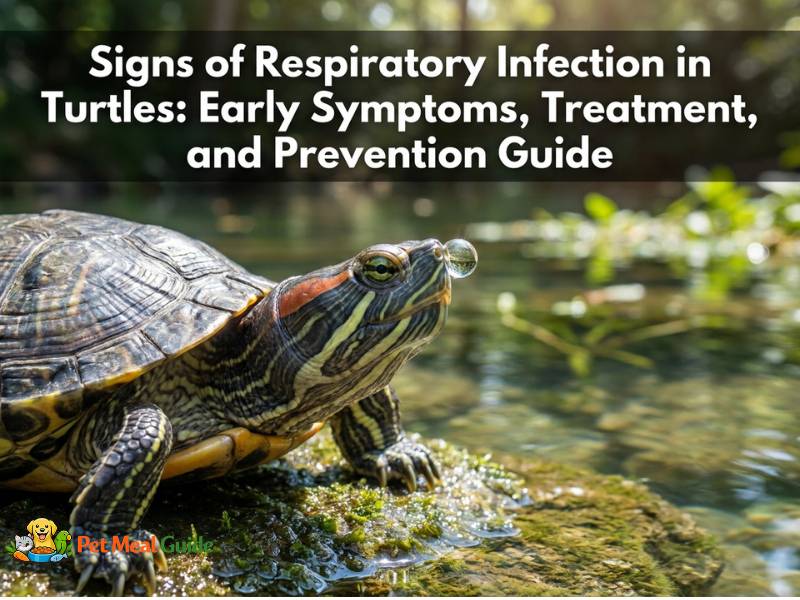
Signs of Respiratory Infection in Turtles: Early Symptoms, Treatment, and Prevention Guide
Recognizing the signs of respiratory infection in turtles is one of the most critical skills a reptile owner can develop. A turtle respiratory infection is not just a common cold; it is a potentially life-threatening condition that can escalate into severe pneumonia if left untreated. Unfortunately, respiratory infection in turtles is among the most common reasons pet turtles require emergency veterinary treatment.
Pet Meal Guide regularly researches reptile health, husbandry, nutrition, veterinary care, and disease prevention using veterinarian-reviewed resources and scientific literature. We emphasize that early detection dramatically improves recovery outcomes. Because turtles instinctively hide their illnesses to protect themselves from predators in the wild, by the time you notice symptoms like wheezing, lethargy, or nasal discharge, the infection has often progressed significantly.
Furthermore, these illnesses rarely occur in a vacuum. Habitat problems—such as incorrect water temperatures, lack of UVB lighting, and poor water quality—are one of the biggest causes of immune system suppression. For this reason, optimizing your setup using our comprehensive Aquatic Turtle Tank Setup Guide is essential for both prevention and recovery.
What Is a Turtle Respiratory Infection?
A turtle respiratory infection is a broad veterinary term referring to a bacterial, viral, fungal, or parasitic infection affecting a turtle’s respiratory tract. To properly understand a respiratory infection in turtles, it is helpful to differentiate between the levels of the respiratory system involved.
- Upper Respiratory Infection (URI): This affects the nares (nostrils), nasal passages, glottis, and trachea. It is the turtle equivalent of a severe sinus infection or head cold. It often presents with milder symptoms like nasal bubbles and watery eyes.
- Lower Respiratory Infection (LRI): This occurs when the infection moves deeper into the bronchi and the lungs themselves.
- Pneumonia: Pneumonia is the severe, advanced stage of a lower respiratory infection. It involves the inflammation and fluid consolidation of the lung tissue, drastically reducing the turtle’s ability to absorb oxygen and control its buoyancy in the water.
🔬 Scientific Context
According to the Association of Reptile and Amphibian Veterinarians (ARAV) and the Merck Veterinary Manual, the respiratory anatomy of a turtle is unique. Because their lungs sit dorsally (just beneath the top shell, or carapace) and they lack a diaphragm, they rely on the movement of muscles around their limbs to pump air in and out. When fluid builds up in the lungs due to a turtle respiratory infection, it directly impacts their center of gravity, leading to the classic symptom of floating sideways.
Why Respiratory Infections Are Dangerous for Turtles
Turtles are ectothermic (cold-blooded) reptiles with naturally slow metabolisms. This slow metabolism means that their immune response to pathogens is also slow, resulting in delayed symptoms.
In addition to this biological delay, turtles exhibit “hidden illness behavior.” In the wild, a predator will easily target a sick or weak turtle. Therefore, turtles have evolved to mask their turtle health problems until they are physically incapable of doing so. This is exactly why owners often notice signs late in the disease’s progression. By the time a turtle is gasping for air, the respiratory infection is already a medical emergency.
15 Signs of Respiratory Infection in Turtles
Identifying the turtle respiratory infection symptoms requires close, daily observation of your pet’s behavior, eating habits, and swimming posture. Below is a comprehensive table detailing the 15 most common symptoms of respiratory infection in turtles and their associated severity.
| Symptom | Description | Severity |
|---|---|---|
| Wheezing | A high-pitched whistling sound when exhaling. | Moderate |
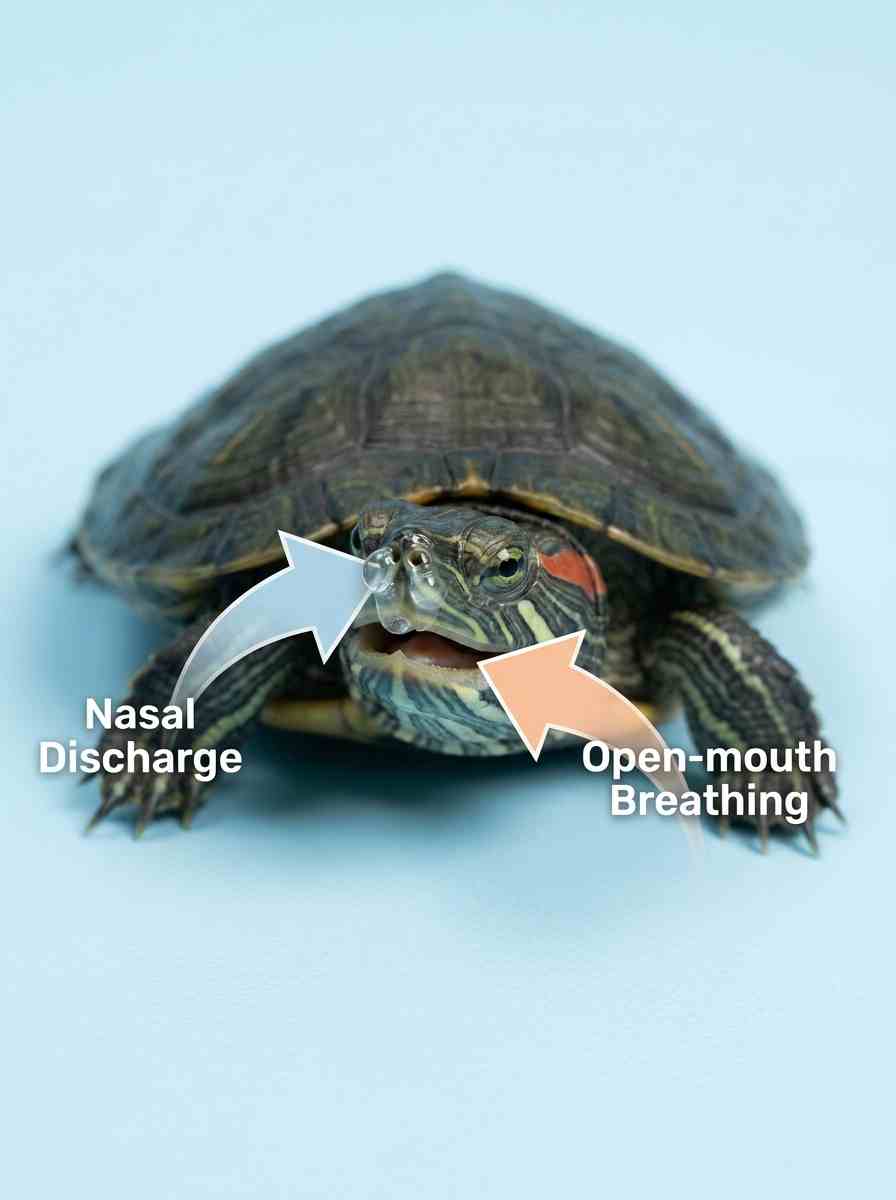
| Open-mouth breathing | Gasping or keeping the jaw open to take in air. | Severe (Emergency) |
| Nasal discharge | Bubbles or thick mucus coming from the nares. | Moderate to Severe |
| Floating sideways | Inability to submerge or swimming at a tilted angle. | Severe (Emergency) |
| Lethargy | Excessive sleeping, lack of movement, or staying on the basking dock constantly. | Moderate |
| Loss of appetite | Refusing favorite foods or ignoring pellets. | Moderate |
| Eye swelling | Puffy, swollen, or red eyes (often linked to Vitamin A deficiency and RI). | Moderate |
| Clicking sounds | A distinct “click” or “pop” heard during normal breathing. | Moderate |
| Sneezing/Coughing | Sudden, sharp exhalations of air. | Mild to Moderate |
| Yawning | Frequent, exaggerated opening of the mouth (looks like a yawn but is an air gasp). | Moderate |
| Stretching the neck | Extending the neck far out and upward to clear the airway. | Severe |
| Weight loss | Sunken eyes and loss of muscle mass around the legs. | Severe |
| Inability to dive | Struggling to swim to the bottom of the tank, bobbing back to the surface. | Severe |
| Excessive basking | Refusing to enter the water; staying under the heat lamp 24/7. | Moderate |
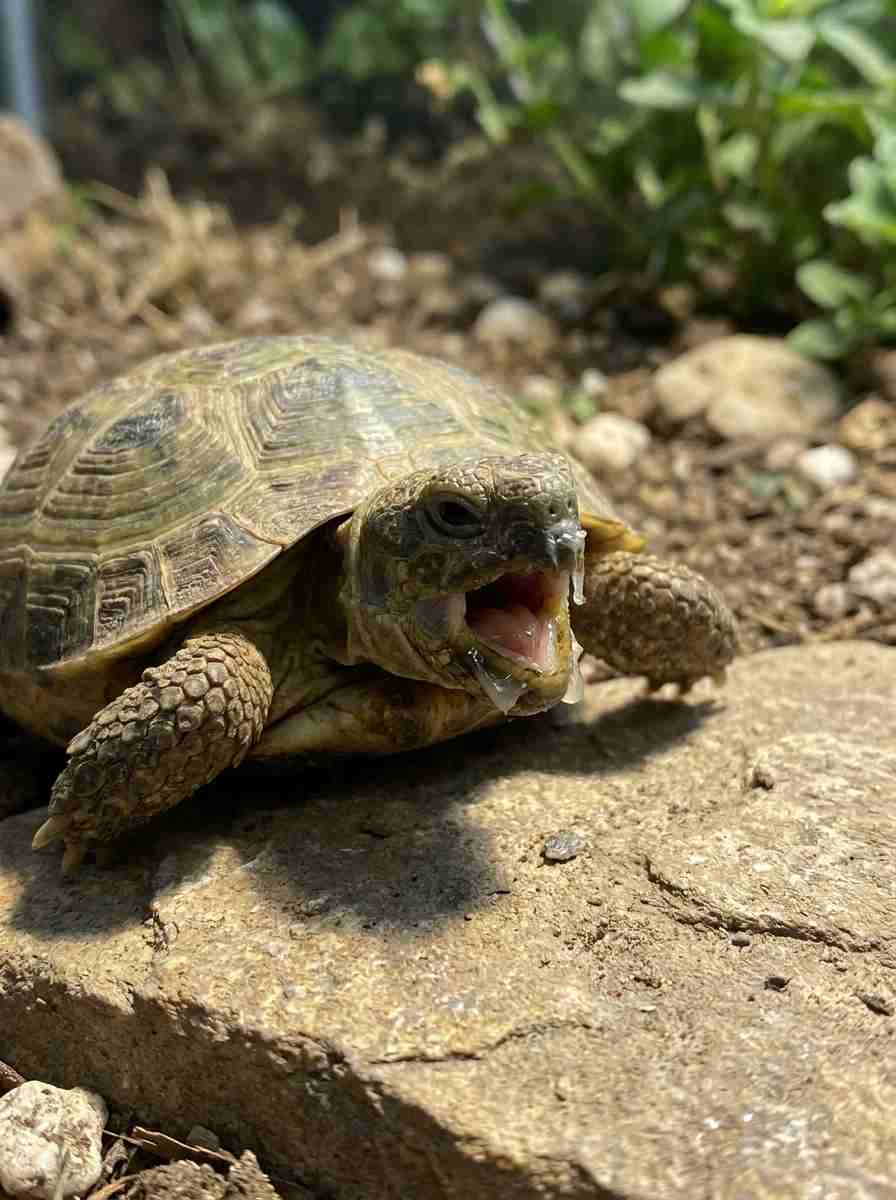
| Mucus in the mouth | Thick, stringy saliva observed when the turtle opens its mouth. | Severe |
Turtle Wheezing and Breathing Problems
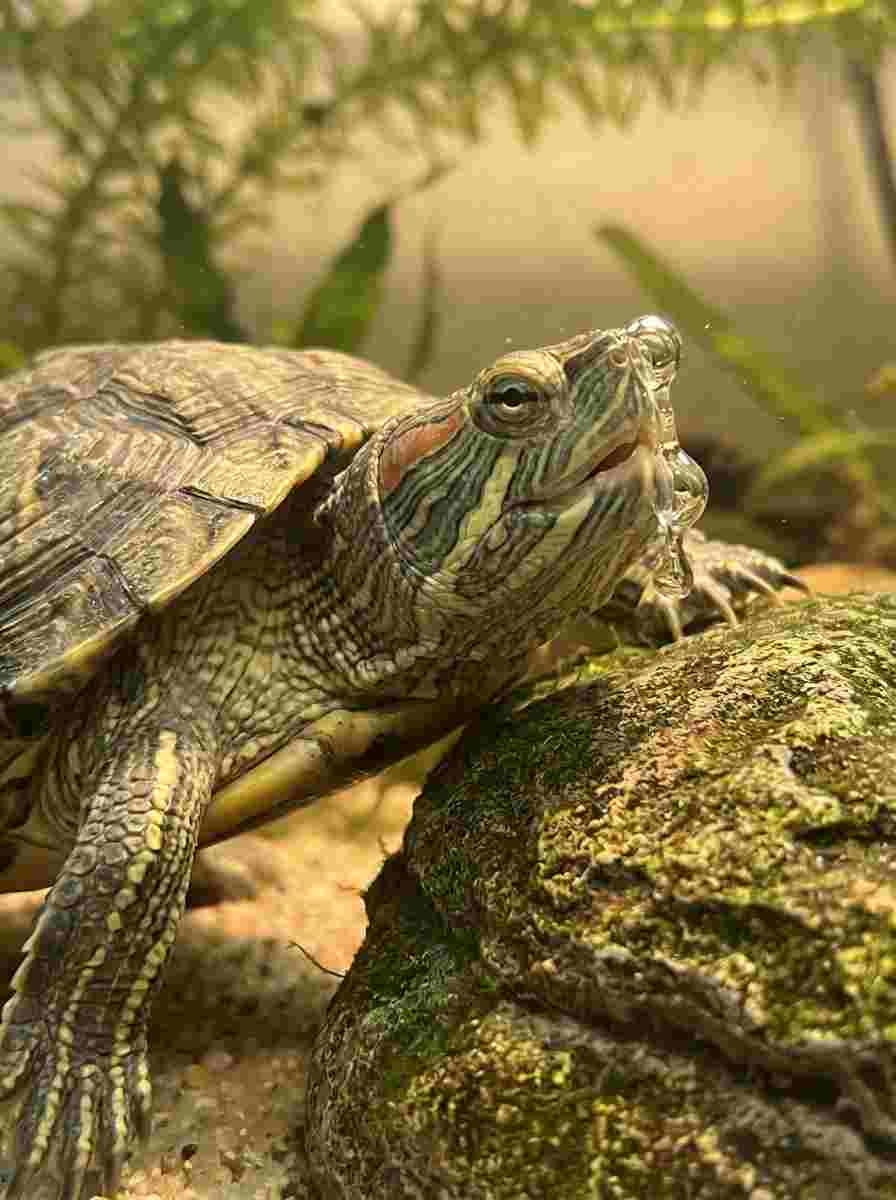
If you notice turtle breathing problems, it is essential to know what normal breathing sounds like. A healthy turtle breathes silently. You should only hear a brief, quiet rush of air when they surface to exhale and inhale before diving back down. Sometimes, they may let out a soft “hiss” if startled and retreating into their shell.
Abnormal turtle wheezing sounds like a raspy, high-pitched squeak or a congested rattling sound. This indicates that the airway is narrowed due to inflammation or mucus buildup. Turtle breathing problems that are audible from across the room are a clear indicator that a respiratory infection has taken hold.
Turtle Opening Mouth to Breathe
A turtle opening mouth to breathe is not a normal behavior. Turtles are obligate nasal breathers, meaning they naturally breathe exclusively through their nostrils. If your turtle is keeping its mouth open, or frequently “yawning,” it means its nasal passages are completely blocked, or its lungs are so compromised that it cannot get enough oxygen through nasal breathing alone.
A turtle breathing with mouth open should be treated as a medical emergency requiring immediate veterinary attention. This is a sign of advanced respiratory distress or pneumonia.
Turtle Making Clicking Sounds When Breathing
A turtle making clicking sounds when breathing is experiencing airway obstruction. As the turtle breathes in and out, air is forced past thick, sticky mucus inside the trachea or glottis. The clicking or popping noise is the sound of those mucus bubbles bursting.
Turtle Mucus from Nose and Nasal Discharge
Seeing turtle mucus from nose or general turtle nasal discharge is a classic symptom of an upper respiratory infection. When the infection is in its early stages, you may simply notice small, clear bubbles forming around the turtle’s nostrils when it surfaces for air.
As the bacterial or viral load increases, the discharge becomes concerning. The turtle nasal discharge will shift from clear and watery to thick, stringy, and opaque (often yellow, white, or greenish). This thick mucus can dry and crust over the nostrils, cementing them shut and forcing the turtle to mouth-breathe.
Turtle Gasping for Air
A turtle gasping for air is one of the most frightening sick turtle symptoms an owner can witness. You will see the turtle stretching its neck high into the air, opening its mouth wide, and visibly struggling to inflate its lungs. This indicates profound hypoxia (lack of oxygen) due to severe pneumonia. Immediate veterinary care is required, as the turtle may need to be placed in an oxygen-enriched incubator.
Turtle Floating Sideways Respiratory Infection
The query turtle floating sideways respiratory infection is highly searched because it is a bizarre, yet highly diagnostic symptom for aquatic turtles. As mentioned earlier, a turtle’s lungs run parallel to the top of its shell.
When a turtle develops pneumonia, one lung often fills with fluid and pus before the other. Because fluid is heavier than air, the side of the turtle with the infected lung becomes negatively buoyant (heavy), while the healthy lung remains filled with air (positively buoyant). This lung imbalance causes the turtle to swim at a lopsided tilt, or float completely sideways at the surface of the water.
Turtle Not Eating and Lethargic
A turtle not eating and lethargic is often the very first sign that something is wrong, though it is a non-specific symptom. A turtle fighting an infection will spend all its energy trying to combat the illness, leaving no energy for swimming or hunting. Furthermore, turtles rely heavily on their sense of smell to identify food. If their nasal passages are blocked with mucus, they cannot smell their food, leading to severe anorexia.
If your turtle has stopped eating, it is critical to ensure you are offering the correct diet before assuming illness. Verify their dietary needs with our guide: What Do Turtles Eat?.
Signs of Upper Respiratory Infection in Turtles
The signs of upper respiratory infection in turtles are generally confined to the head and neck. Early symptoms include:
- Mild wheezing or whistling.
- Nasal bubbles when surfacing.
- Frequent sneezing.
- Puffy, watery, or swollen eyes.
If a respiratory infection in turtles is caught at this upper stage, it is highly treatable. However, if untreated, the bacteria will migrate down the trachea and settle in the lungs.
Symptoms of Advanced Respiratory Infection (Pneumonia)
Turtle pneumonia symptoms represent a critical progression of the disease. The symptoms of advanced respiratory infection include severe weakness, the turtle making clicking sounds when breathing, extreme weight loss, an inability to dive, and the aforementioned sideways floating. At this stage, the turtle’s body is starving for oxygen, and veterinary intervention is its only chance of survival.
Baby Turtle Respiratory Infection Symptoms
The baby turtle respiratory infection symptoms are identical to those of adults, but the timeline is vastly accelerated. Hatchling turtles have underdeveloped immune systems and very little body mass or fat reserves. A respiratory infection can cause a baby turtle to deteriorate and pass away within 48 to 72 hours.
If you notice a baby turtle staying on the basking dock with its eyes closed, blowing bubbles from its nose, or refusing to eat, you must act immediately. Proper nutrition is vital for their immune defense; review our resource on What to Feed Baby Turtles to ensure they are receiving adequate vitamins.
Red-Eared Slider Respiratory Infection Symptoms
Because they are the most common pet turtle globally, red eared slider respiratory infection symptoms are well-documented. Red-eared sliders are highly active, voracious eaters. A healthy slider will practically beg for food when you enter the room. Therefore, the most obvious sick turtle symptom for a slider is sudden lethargy and ignoring food.
Additionally, sliders with respiratory infections frequently develop swollen, shut eyes. This is often linked to hypovitaminosis A (Vitamin A deficiency), which damages the mucous membranes of the respiratory tract, allowing bacteria to invade. Ensuring a proper diet is key to preventing this; see our Red-Eared Slider Feeding Guide.
What Causes Respiratory Infections in Turtles?
Turtle respiratory disease is rarely contracted by simply catching a “bug.” It is almost always a secondary infection caused by an underlying environmental failure that suppresses the immune system.
| Cause | Explanation | Impact on Health |
|---|---|---|
| Low Water Temperature | Water that is too cold slows the turtle’s metabolism and halts immune function. | Bacteria naturally present in the turtle’s body rapidly multiply unchallenged. |
| Poor UVB Exposure | Lack of UVB lighting prevents Vitamin D3 synthesis. | Leads to bone disease and severely weakens the overall immune response. |
| Dirty Water | Inadequate filtration leads to high ammonia and nitrate levels. | Ammonia burns the respiratory tract and eyes, creating entry points for bacteria. |
| Nutritional Deficiencies | Diets lacking in Vitamin A (like an all-pellet or all-meat diet). | Causes squamous metaplasia; mucous membranes degrade, causing respiratory and eye infections. |
| Drafts and Chills | Cold air blowing across the basking dock from an AC vent. | Causes acute chilling of the lungs when the turtle emerges wet from the water. |
| Overcrowding & Stress | Too many turtles in a small tank. | High stress releases cortisol, which aggressively suppresses the immune system. |
To correct these environmental causes, review our Reptile Temperature and Lighting Guide and ensure your habitat meets veterinary standards via our Aquatic Turtle Tank Setup Guide.
How to Know If a Turtle Has a Respiratory Infection (Diagnostic Checklist)
If you are asking, “how do I know if my turtle is sick?”, use this diagnostic chart to evaluate your pet.
| Observation Area | Healthy Turtle | Potential Respiratory Infection |
|---|---|---|
| Breathing Sound | Silent; soft exhalation. | Wheezing, clicking, popping, whistling. |
| Nose / Mouth | Clean, dry nares. Mouth closed. | Bubbles, thick mucus, open-mouth gasping. |
| Swimming Buoyancy | Level, easy diving to the bottom. | Floating lopsided, bobbing, unable to dive. |
| Energy Levels | Active swimming, responsive to humans. | Lethargic, constantly on basking dock, unresponsive. |
| Appetite | Eager to eat daily. | Refusing food completely. |
Veterinary Diagnosis
When you bring your pet to an exotic animal veterinarian, they will perform a comprehensive workup. Diagnosis of respiratory infection in turtles typically includes:
- Physical Exam: Listening to the lungs with a specialized stethoscope and checking for mucus.
- X-Rays (Radiographs): Essential for checking lung consolidation and identifying pneumonia.
- Bacterial Culture and Sensitivity: Taking a swab of the mucus to determine exactly which bacteria are causing the infection, allowing the vet to choose the most effective antibiotic.
- Blood Testing: To check white blood cell counts and assess organ function.
Turtle Respiratory Infection Treatment
The turtle respiratory infection treatment protocol is multi-faceted. Respiratory infection in turtles treatment cannot be achieved through guesswork; it requires a targeted, veterinarian-approved medical approach combined with intense environmental correction.
How Do Veterinarians Treat Respiratory Infections?
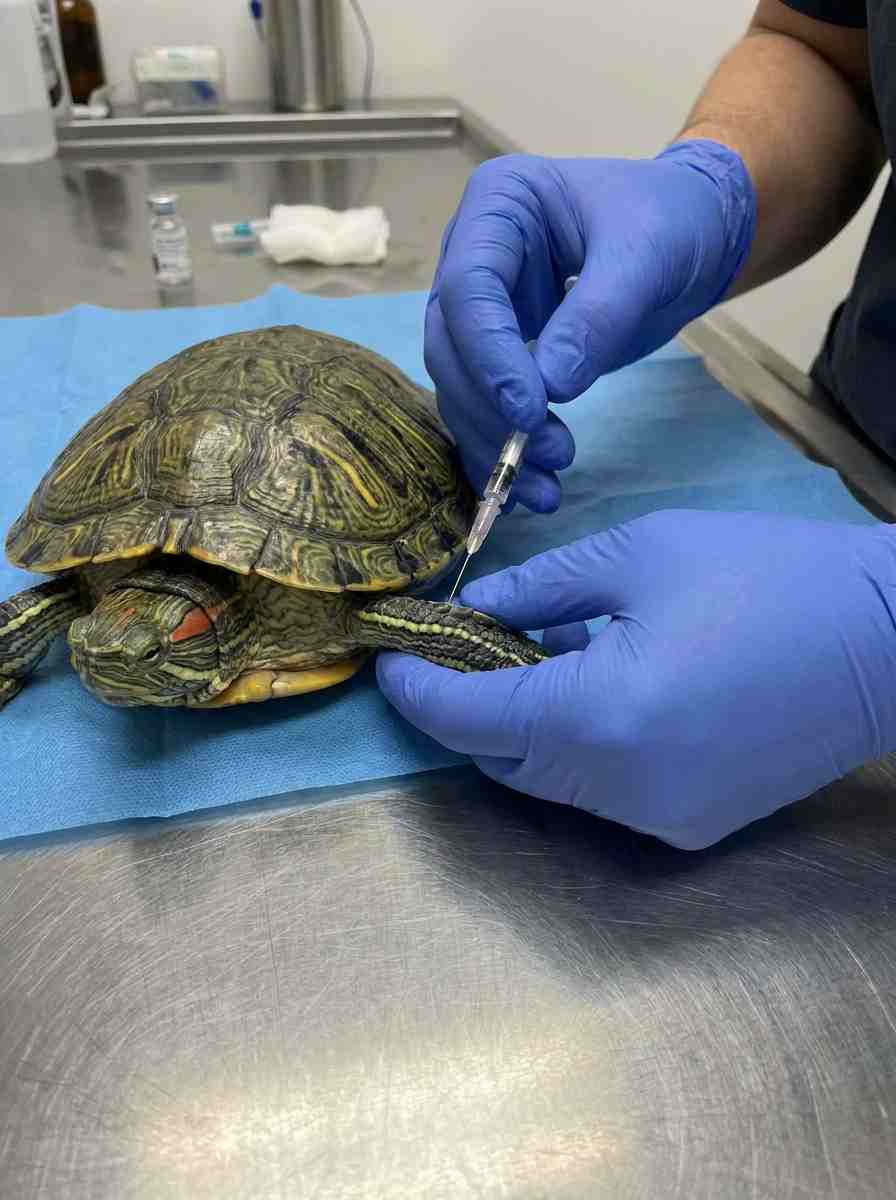
- Antibiotics: The cornerstone of respiratory infection turtle treatment. Usually administered via intramuscular injections or oral suspensions.
- Fluid Therapy: Sick turtles are often severely dehydrated. Vets will administer subcutaneous fluids to support kidney function.
- Temperature Correction: Veterinarians will instruct you to elevate the water and basking temperatures slightly (known as creating a “fever” environment) to boost the turtle’s immune system.
- Oxygen Support: In severe cases of pneumonia, turtles are placed in oxygen chambers.
- Nutritional Support: Tube feeding or vitamin injections (specifically Vitamin A) if the turtle has been anorexic for weeks.
Antibiotics for Turtle Respiratory Infection
When discussing antibiotics for turtle respiratory infection, it is important to understand that reptiles process drugs differently than mammals. Common veterinarian-prescribed turtle antibiotics respiratory infection medications include Baytril (Enrofloxacin), Fortaz (Ceftazidime), and Amikacin.
Pet Meal Guide Policy: We do NOT provide dosage instructions for these medications. Only a licensed exotic veterinarian can calculate a safe and effective dosage based on your turtle’s exact weight in grams. Overdosing a turtle can cause rapid kidney failure, while underdosing leads to antibiotic-resistant superbugs.
Medicine for Turtle Respiratory Infection
Many pet stores sell over-the-counter “turtle eye drops” or “turtle respiratory remedies.” Medicine for turtle respiratory infection purchased off a pet store shelf is generally ineffective against systemic bacterial pneumonia. These over-the-counter remedies are not substitutes for veterinary care and relying on them simply wastes valuable time while your turtle’s condition worsens.
Turtle Respiratory Infection Home Treatment
Many owners search for turtle respiratory infection home treatment or how to treat respiratory infection in turtles at home. We must state clearly: home care is supportive care only; it is NOT a replacement for prescription veterinary antibiotics. However, your home husbandry is critical for the antibiotics to work.
How to Treat Respiratory Infection in Turtles at Home (Supportive Care)
- Warm the Habitat: Raise the water temperature to roughly 80°F – 82°F (depending on species) using a reliable heater. Ensure the basking dock is reaching 90°F – 95°F. This artificial “fever” helps the turtle’s immune system fight the bacteria.
- Isolate the Turtle: If you have multiple turtles, move the sick turtle to a quarantine hospital tank immediately to prevent the disease from spreading.
- Lower the Water Level: If the turtle is weak or floating sideways, lower the water level in the hospital tank so the turtle can rest its feet on the bottom and easily reach its head up to breathe without swimming.
- Ensure Proper Hydration: Soak the turtle daily in shallow, warm, clean water to encourage drinking and help loosen thick mucus.
- Reduce Stress: Keep the room quiet, dim the ambient room lights (while keeping the basking UVB on), and handle the turtle only when necessary to administer medication.
How Long Can a Turtle Survive With a Respiratory Infection?
The timeframe a turtle can survive depends heavily on the severity of the infection, the age of the turtle, the species, and the timing of the treatment. A healthy adult slider might fight a mild upper respiratory infection for weeks, while a baby turtle might succumb to pneumonia in mere days.
Avoid trying to wait out the illness. The progression risk from a mild wheeze to fatal pneumonia is high and unpredictable.
Can Turtles Recover From Respiratory Infections?
Yes. Can turtles recover from respiratory infections? Absolutely.
- Mild cases: With prompt antibiotic treatment and environmental correction, turtles can show improvement within 3 to 5 days and fully recover in a few weeks.
- Moderate cases: May require weeks of injectable antibiotics and supportive feeding, but recovery is highly probable.
- Severe cases (Pneumonia): The prognosis is guarded. Recovery may take months, and there may be permanent scarring of the lung tissue.
Respiratory Infections in Aquatic Turtles
Aquatic turtle illness is uniquely tied to their environment. Respiratory infections in aquatic turtles are almost exclusively driven by poor water quality. If a tank lacks proper biological filtration, ammonia from the turtle’s waste builds up. Ammonia gas rests just above the surface of the water—exactly where the aquatic turtle takes its breaths. This constant inhalation of ammonia burns the respiratory tract, allowing opportunistic bacteria in the dirty water to invade the lungs.
Respiratory Infections in Turtles and Tortoises
While this guide focuses on aquatic species, it is worth comparing respiratory infection in tortoises vs aquatic turtles.
| Feature | Aquatic Turtles (e.g., Sliders, Painted) | Tortoises (e.g., Sulcata, Russian) |
|---|---|---|
| Primary Environmental Trigger | Dirty, cold water and lack of basking heat. | Incorrect humidity (too damp and cold, or too dry and dusty). |
| Common Symptoms | Floating sideways, bubbles from nose, open-mouth gasping. | Runny nose (Runny Nose Syndrome), wheezing, neck stretching. |
| Tortoise Respiratory Infection Home Treatment | Focus on warming water and creating a shallow hospital tank. | Focus on correcting humidity, deep warm soaks, and adjusting ambient air temps. |
Turtle Respiratory Infection vs Pneumonia
| Condition | Location of Infection | Key Symptoms | Urgency |
|---|---|---|---|
| Upper Respiratory Infection (URI) | Nares, sinuses, trachea. | Sneezing, mild nasal discharge, puffy eyes, slight wheeze. | High (Requires vet visit to prevent pneumonia). |
| Pneumonia (LRI) | Deep inside the lungs. | Floating sideways, open-mouth gasping, clicking, severe lethargy. | Extreme Emergency (Life-threatening). |
How to Prevent Respiratory Infections in Turtles
Preventing turtle health problems is vastly cheaper and less stressful than treating them. Use this actionable prevention checklist:
- Maintain Proper Temperatures: Use an aquatic heater and a digital thermostat to keep water temperatures stable. Ensure the basking dock is 10°F to 15°F warmer than the water.
- Provide High-Quality UVB: Replace your T5 UVB bulbs every 6 to 12 months without fail.
- Optimize Nutrition: A diet rich in Vitamin A prevents respiratory breakdown. Rotate high-quality pellets with leafy greens and safe insects. Read our Reptile Feeding Guide, discover the Best Feeder Insects for Reptiles, and learn How Much Should You Feed a Turtle.
- Invest in Over-Filtration: Buy a canister filter rated for 2 to 3 times the volume of your tank to handle their heavy bioload.
- Practice Good Hygiene: Perform 25% weekly water changes religiously.
Related Turtle Health Conditions
Respiratory infections often present alongside other issues like shell rot or vitamin deficiencies. Use our Reptile Health Symptom Checker to cross-reference any odd behaviors.
Dietary health is preventative health. Depending on your species, ensuring they are eating a biologically appropriate diet is key. Explore our specific dietary guides:
- What Do Sea Turtles Eat?
- What Do Painted Turtles Eat?
- What Do Snapping Turtles Eat?
- What to Feed a Box Turtle
Vet-Recommended Products for Prevention and Supportive Care
Veterinary treatment is only half the battle. You must fix the habitat for the turtle to recover and stay healthy. Here are the top-rated products to ensure optimal environmental health:

Inkbird Temperature Controller
Prevents dangerous temperature fluctuations that cause chilling and immune suppression.
Check on Amazon
Eheim Jager Aquarium Heater
Highly precise, shatter-resistant heater necessary for creating a warm “hospital” tank environment.
Check on Amazon
Fluval FX4 Canister Filter
Massive biological filtration capacity to eliminate the ammonia that causes respiratory tract burns.
Check on Amazon
Arcadia T5 UVB Lighting Kit
The absolute best UVB available. Crucial for immune system support and preventing Metabolic Bone Disease.
Check on Amazon
Zoo Med ReptiSun T5 HO
An excellent, widely available linear UVB bulb that ensures deep radiation penetration through the shell.
Check on Amazon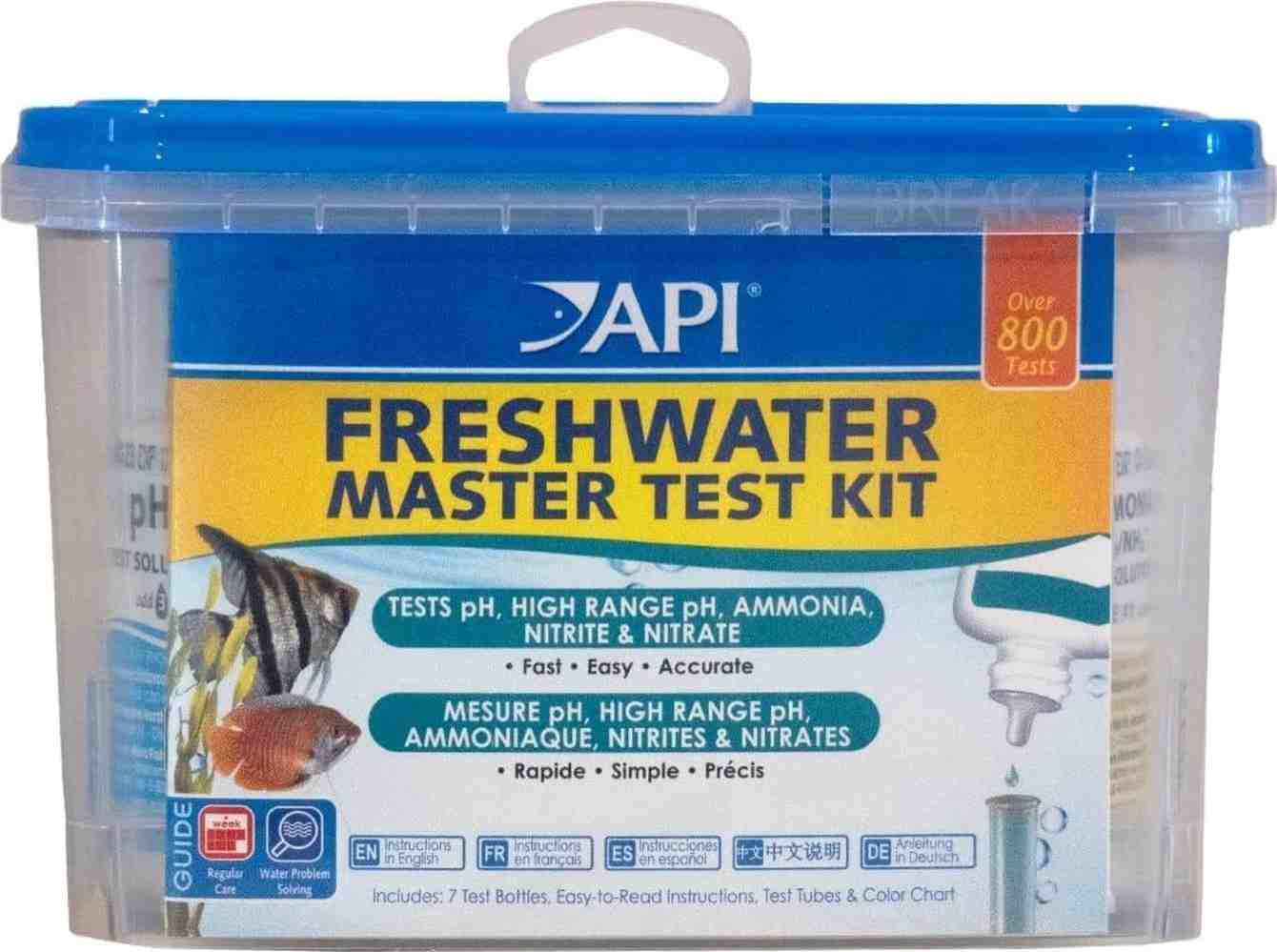
API Freshwater Master Test Kit
Test for toxic ammonia and nitrites weekly to ensure water quality remains pristine.
Check on AmazonFrequently Asked Questions
How do I know if my turtle has a respiratory infection?
You can identify a respiratory infection by observing changes in breathing and behavior. If your turtle is wheezing, blowing bubbles from its nose, refusing to eat, lethargic, or floating sideways in the water, it likely has a respiratory infection.
What are the signs of respiratory infection in turtles?
The primary signs of respiratory infection in turtles include nasal discharge, open-mouth gasping, clicking or popping sounds when breathing, swollen eyes, extreme lethargy, weight loss, and an inability to maintain normal buoyancy in the water.
What causes respiratory problems in turtles?
Respiratory problems are usually caused by environmental stress that suppresses the immune system. Common causes include water that is too cold, drafty rooms, lack of UVB lighting, poor diet (specifically Vitamin A deficiency), and dirty water filled with ammonia.
Why is my turtle wheezing?
Turtle wheezing occurs when the respiratory airway (trachea or glottis) becomes narrowed due to inflammation or thick mucus buildup. The high-pitched sound is the result of air being forced through this restricted passage.
Why is my turtle breathing heavily?
Heavy, labored breathing indicates that the turtle’s lungs are compromised, likely by fluid buildup (pneumonia). The turtle is struggling to take in enough oxygen to survive, making this a veterinary emergency.
Why is my turtle opening its mouth to breathe?
Turtles normally breathe through their noses. A turtle opening its mouth to breathe indicates that its nasal passages are completely blocked by thick mucus, or that its lungs are severely infected and it is gasping for extra oxygen.
Can turtles recover from respiratory infections?
Yes, turtles can fully recover from respiratory infections if caught early and treated promptly with veterinary-prescribed antibiotics and strict correction of their habitat temperatures and lighting.
How do you treat a respiratory infection in a turtle?
A veterinarian will treat a respiratory infection using injectable or oral antibiotics, fluid therapy for dehydration, and sometimes vitamin injections. At home, you must support the treatment by raising the water temperature slightly to boost their immune response.
How to treat turtle respiratory infection at home naturally?
You cannot cure a bacterial respiratory infection “naturally” at home without antibiotics. Home treatment should only involve supportive care: isolating the sick turtle in a warm, clean, shallow hospital tank and ensuring basking temperatures are optimal while waiting for your vet appointment.
What antibiotics are used for turtle respiratory infection?
Exotic veterinarians commonly prescribe antibiotics for turtle respiratory infection such as Enrofloxacin (Baytril), Ceftazidime (Fortaz), or Amikacin. These must be dosed exactly by a vet based on the turtle’s body weight in grams.
How long can a turtle survive with a respiratory infection?
Survival time varies. A robust adult turtle may survive for several weeks with a mild upper respiratory infection, but a baby turtle with pneumonia can succumb within 48 to 72 hours. Immediate veterinary care is always necessary.
Can a turtle respiratory infection go away on its own?
No. A turtle respiratory infection will not resolve on its own. Without antibiotic intervention and environmental correction, the infection will inevitably spread to the lungs, resulting in fatal pneumonia.
Why is my turtle floating sideways?
A turtle floating sideways is a classic symptom of pneumonia. Fluid and pus build up in one lung, making that side of the turtle heavier than the other, which causes them to tilt or float lopsidedly in the water.
What does turtle nasal discharge mean?
Turtle nasal discharge (mucus or bubbles coming from the nares) means that the upper respiratory tract is infected and producing excess mucus to fight off bacteria or viruses. It is an early warning sign of a respiratory infection.
Are respiratory infections common in red-eared sliders?
Yes, because they are the most frequently kept pet turtle, red eared slider respiratory infection symptoms are very common. They are almost always the result of being kept in unheated water or inadequate tanks without proper UVB lighting.
What are baby turtle respiratory infection symptoms?
Baby turtle respiratory infection symptoms are the same as adults—wheezing, lethargy, floating sideways, and refusing to eat—but they appear and worsen much faster due to the hatchling’s fragile immune system and lack of energy reserves.
Conclusion
Understanding the signs of respiratory infection in turtles is the first line of defense in protecting your pet’s life. From the subtle early warnings of a mild wheeze or a few nasal bubbles to the severe, life-threatening stages of open-mouth gasping and floating sideways, turtle respiratory infection symptoms must never be ignored.
Early detection, followed immediately by professional veterinary treatment using targeted antibiotics, offers a very high chance of recovery. However, medicine alone is not enough. You must aggressively correct the environmental failures—cold water, dirty filters, and poor UVB lighting—that allowed the turtle respiratory disease to take hold in the first place. By providing a pristine, stress-free, and well-heated habitat, you can ensure your turtle lives a long, healthy, and infection-free life.