

Can Dogs Eat Loquats? (Scientific Answer)
Yes, dogs can eat the fleshy part of ripe loquats in small amounts. However, the seeds (pits), leaves, and stems should never be eaten because they contain cyanogenic compounds that can release cyanide when chewed and digested. The fruit itself is generally considered safe when properly prepared, but excessive consumption may cause digestive upset, diarrhea, vomiting, or stomach discomfort.
If your dog accidentally eats one or more loquat seeds, monitor closely and contact your veterinarian immediately, especially if your dog is small, elderly, has underlying health conditions, or consumed multiple chewed seeds.
🛒 Recommended Products for Dog Owners & Yard Safety
If you have fruit trees in your yard, managing your dog’s environment is just as important as knowing what foods are toxic. Here are highly-rated, vet-approved products to help supervise your dog, manage digestion, and prevent unwanted scavenging.



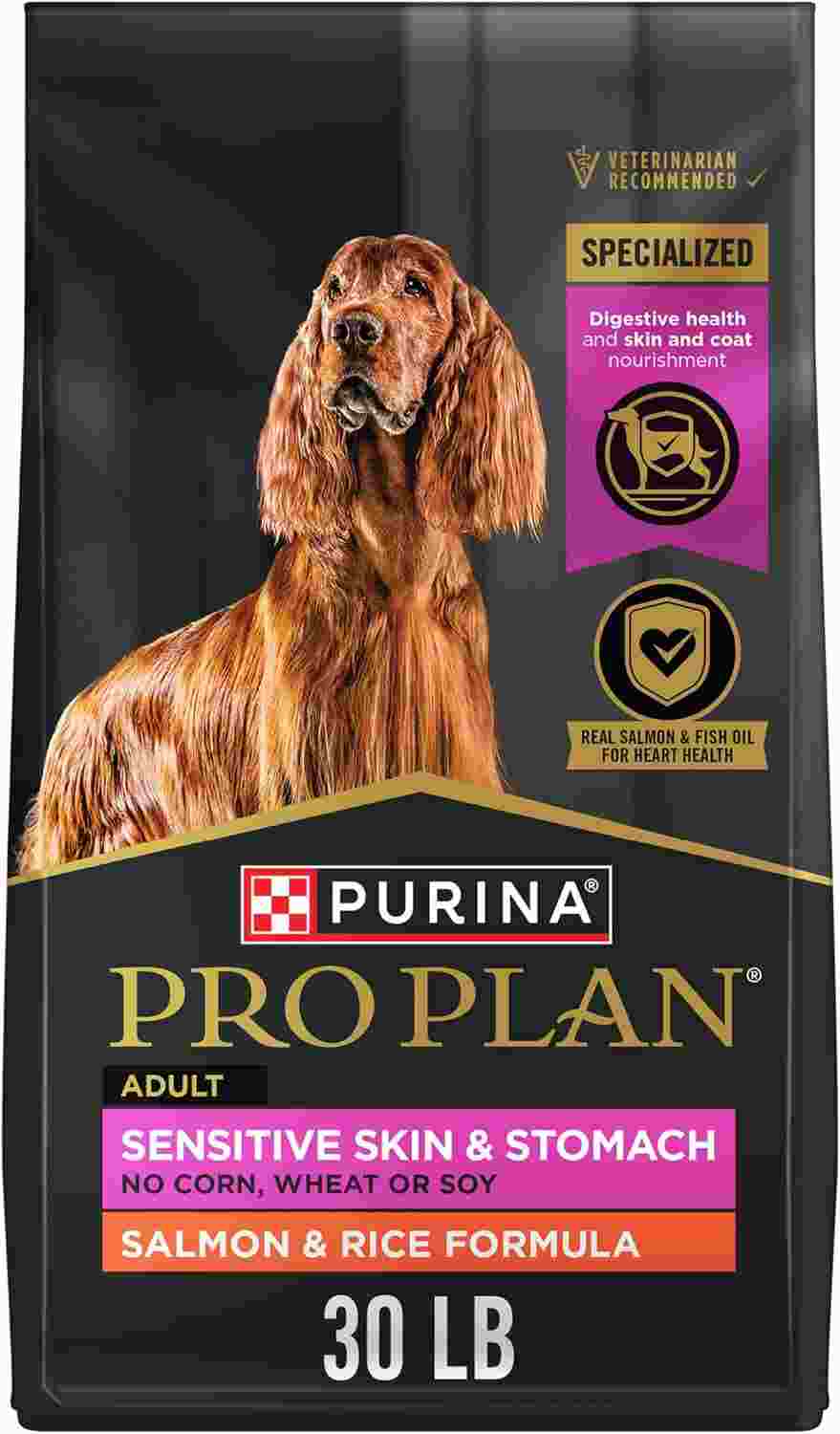
Product Comparison & Features
| Product | Pros | Cons | Best Use Case |
|---|---|---|---|
| Outward Hound Slow Feeder | Prevents choking Stimulates brain |
Requires daily washing | Dogs that gulp food rapidly |
| Elevated Stainless Bowls | Hygienic Better digestion posture |
Takes up more space | Large breeds & senior dogs |
| Furbo Dog Camera | Live monitoring Bark alerts |
Premium price point | Monitoring pets while at work |
| Hill’s Science Diet Adult | Vet recommended Complete nutrition |
Not grain-free | Daily balanced dietary foundation |
Can Dogs Eat Loquats? A Scientific Research-Based Safety Guide
If you live in a warm climate, you might have a loquat tree dropping sweet, orange-yellow fruit all over your lawn. As your dog excitedly sniffs around the fallen fruit, you are right to ask: are dogs allowed loquats?
The intersection of canine digestion and plant toxicity is complex. While the soft, juicy flesh of the loquat is a harmless and even nutritious treat, the inner seeds and the tree’s foliage conceal a dangerous secret: cyanogenic glycosides. In this vet-reviewed guide, we will break down the exact science behind loquat toxicity, emergency steps to take if your dog swallows a pit, and safe feeding guidelines.
To ensure this fruit treat fits into your pet’s life safely, we highly recommend integrating it into a structured dog feeding schedule.
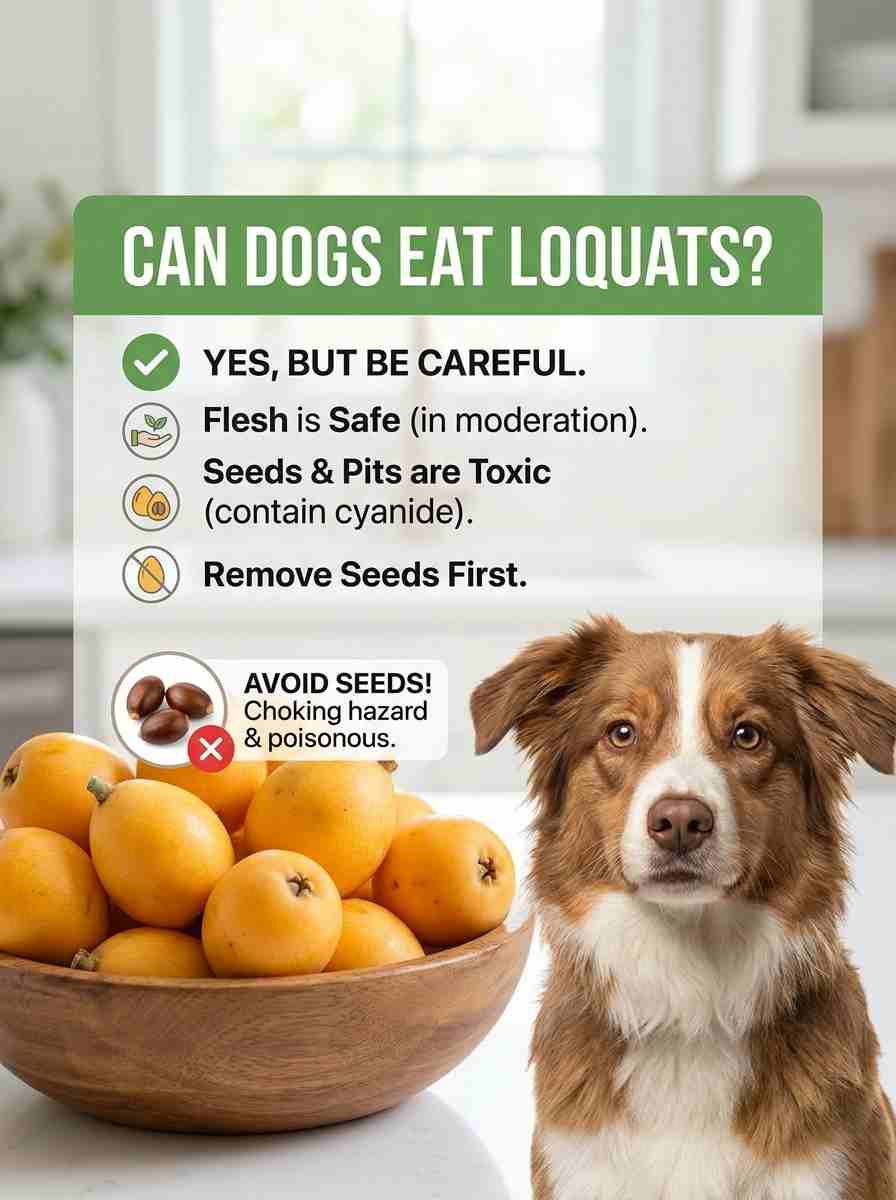
What Is a Loquat?
The loquat (Eriobotrya japonica) is an ancient evergreen shrub or small tree originating from the cooler hill regions of China, though it has been cultivated in Japan for over 1,000 years. Today, it thrives in temperate to subtropical regions, including California, Florida, and Texas.
Visually, the fruit looks like a small apricot, but biologically, it belongs to the Rosaceae family—the same botanical family as apples, pears, cherries, and peaches. It has a sweet, tangy flavor reminiscent of citrus, peach, and mild mango.
Is Loquat Healthy or Harmful for Dogs?
The safety of a loquat entirely depends on which part of the fruit—or tree—your dog consumes.
| Part of Loquat | Safe for Dogs? | Veterinary Notes |
|---|---|---|
| Ripe Flesh | ✅ Yes (moderation) | A safe, sweet treat if prepared correctly. |
| Skin | ✅ Usually Yes | Wash thoroughly to remove pesticides. |
| Seed / Pit | ❌ No | Highly dangerous. Contains cyanogenic compounds. |
| Leaves | ❌ No | Toxicity risk, especially young shoots. |
| Stem | ❌ No | Choking hazard; no nutritional value. |
| Large Amounts of Fruit | ❌ No | Risk of severe diarrhea and gastrointestinal upset. |
Can Dogs Eat Loquat Fruit?
Yes, dogs can eat the fleshy part of the loquat fruit. It is juicy, hydrating, and naturally sweet. However, dogs are obligate carnivores transitioning to omnivores; they do not need fruit in their diet. Therefore, loquats should be viewed strictly as an occasional treat.
Safe Portion Sizes by Breed Size
- Small Dogs (e.g., Chihuahuas, Pugs): 1 to 2 small pieces.
- Medium Dogs (e.g., Beagles, Spaniels): 2 to 4 small pieces.
- Large Dogs (e.g., Retrievers, Mastiffs): 4 to 6 pieces.
Nutritional Benefits of Loquat Flesh
- Vitamin A: Crucial for maintaining optimal canine vision, healthy skin, and a robust immune system.
- Vitamin C: While dogs synthesize their own Vitamin C in their livers, dietary boosts can help during periods of high stress.
- Dietary Fiber: Aids in firming up stools and promoting healthy gut motility.
- Potassium: Essential for healthy muscle function and maintaining proper hydration levels.
- Antioxidants: Helps neutralize free radicals, reducing oxidative stress on aging joints.
Preparation is key: Always wash the fruit to remove chemical residues, pull off the stem, peel the skin if your dog has a sensitive stomach, and meticulously remove the seeds.
Can Dogs Eat Loquat Seeds? (The Hidden Danger)
No. Loquat seeds are absolutely not safe for dogs.
This is where the concept of fruit toxicity in dogs comes into play. Loquat seeds contain high concentrations of cyanogenic glycosides (specifically amygdalin). In their whole, unbroken form, these compounds are relatively inert. However, when a dog chews, crushes, or grinds the seed with their teeth, enzymes are released that convert the glycosides into hydrogen cyanide gas inside the stomach.
Understanding Cyanide Toxicity
Cyanide is a rapidly acting cellular poison. It binds to the cytochrome c oxidase enzyme inside your dog’s cells, effectively suffocating the cells by preventing them from utilizing oxygen. While a large dog might survive a single chewed seed with minor stomach upset, a small dog could suffer severe, life-threatening toxicity.
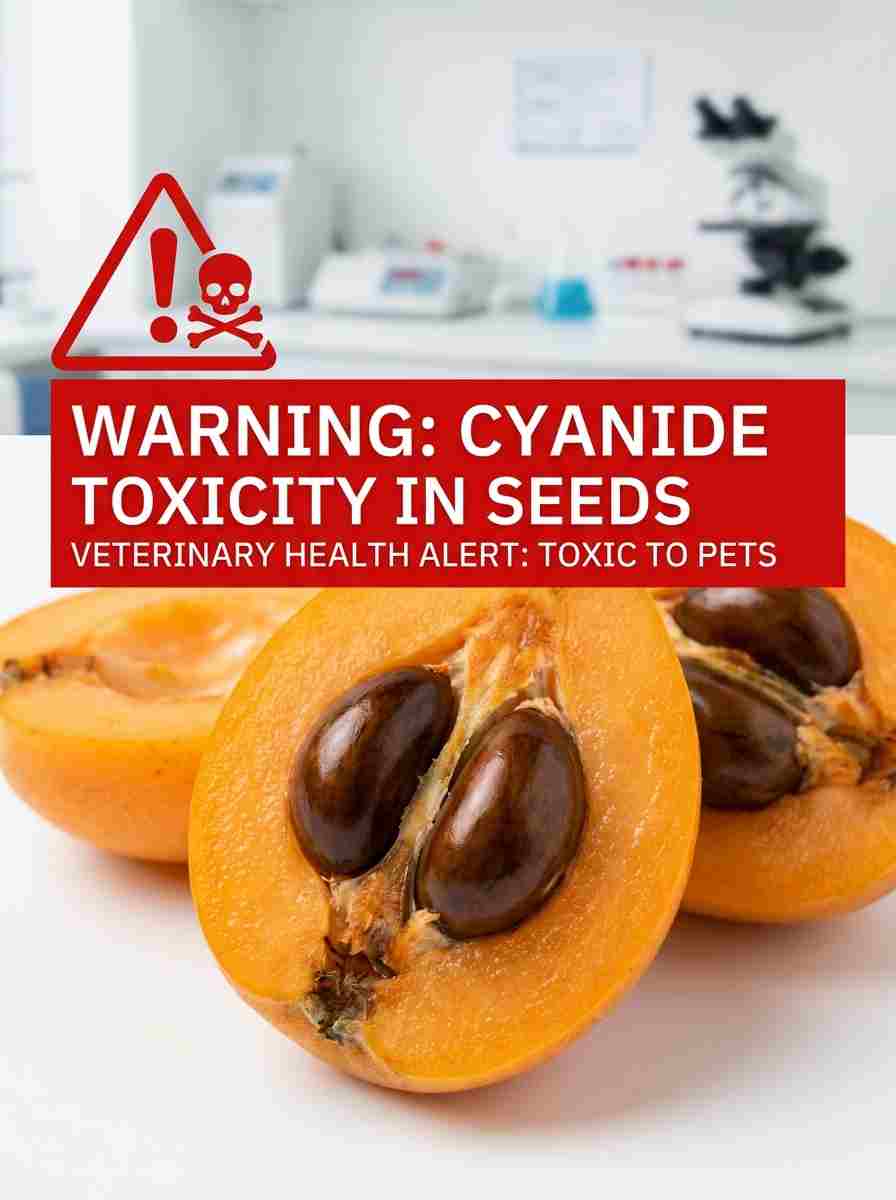
Dog Loquat Fruit Ingestion: Are Pits Poisonous and What To Do
Panic is the enemy in a pet emergency. If you suspect your dog has eaten a loquat seed, follow this step-by-step veterinary triage guide:
- If your dog ate the flesh only: No action required. Simply monitor them for mild digestive upset from the sugar.
- If your dog swallowed ONE whole seed (unchewed): The risk of cyanide release is low because the seed casing protects the toxins from stomach acid. Monitor closely. The seed may pass safely in their stool within 24 to 48 hours. However, watch for signs of intestinal blockage (straining to poop, vomiting).
- If your dog CHEWED the seeds: Call your veterinarian or the Pet Poison Helpline immediately. Time is of the essence.
- If symptoms of toxicity appear: This is an emergency. Drive to the nearest 24-hour veterinary clinic immediately.
Scenario: There Are No Signs Yet but I’m Concerned My Dog Just Ate a Loquat Fruit. I Think There Was Only One Seed. Will This Harm My Dog?
We hear this scenario constantly. From a veterinary standpoint, if a medium-to-large dog swallowed a single loquat seed whole, the situation is usually not dire. The seed will likely travel through the gastrointestinal tract intact.
However, body size matters immensely. A Chihuahua swallowing a large loquat pit faces a high risk of gastrointestinal obstruction—where the pit physically blocks the intestines—which requires emergency surgery regardless of toxicity.
Monitor your dog strictly for 24 hours. Be on the lookout for these clinical signs of cyanide toxicity or blockage:
- Excessive drooling or panting
- Vomiting or dry heaving
- Weakness, lethargy, or collapse
- Difficulty breathing (hyperventilation)
- Bright red gums (a classic sign of cyanide poisoning)
- Loss of coordination (ataxia)
Scenario: We Have a Loquat Tree and My Golden Retriever Eats Several Fruits. Is This Plant Toxic?
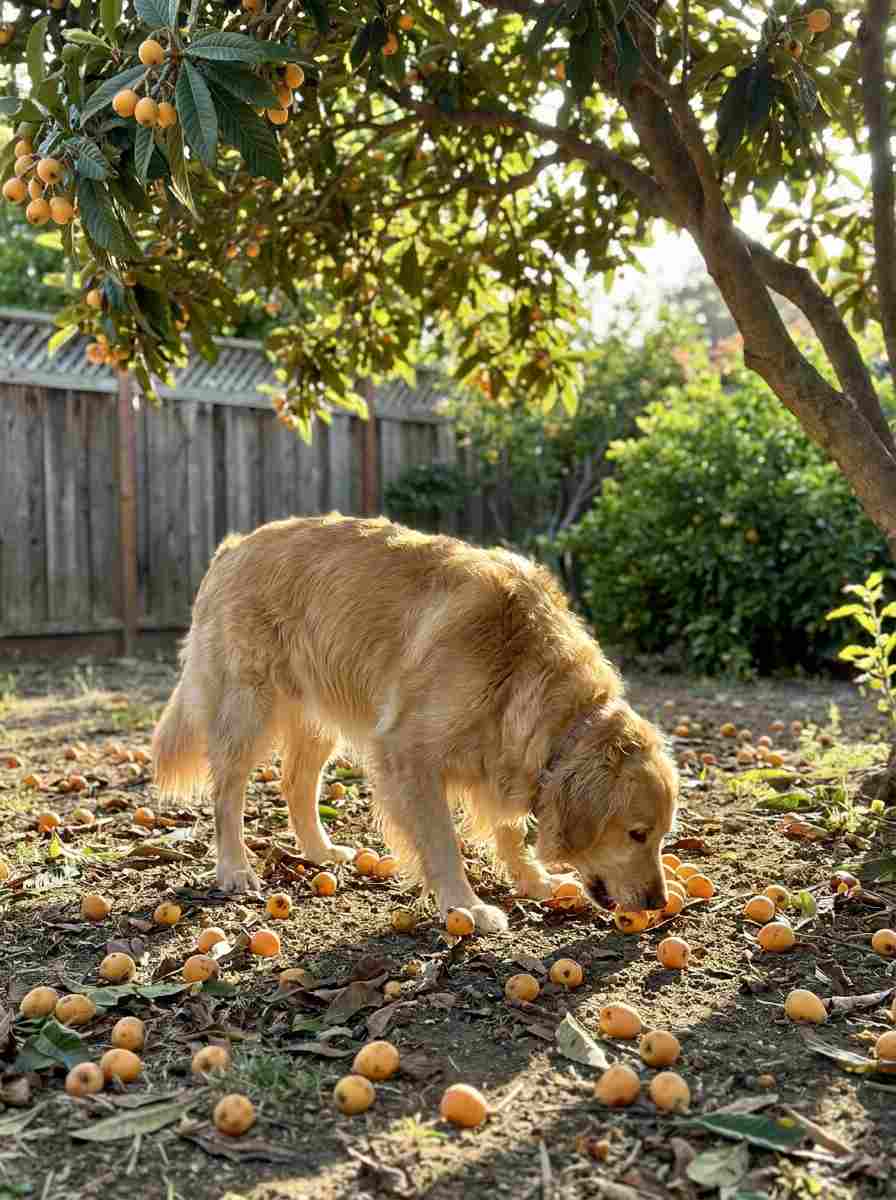
If you have an Eriobotrya japonica tree in your backyard, fallen fruit is inevitable. A Golden Retriever scavenging 6 or more loquats off the lawn is a recipe for a veterinary visit.
Repeated consumption of fallen fruit causes three distinct problems:
- Seed Exposure: Dogs eating fruit off the ground do not spit out the seeds. Eating 6 loquats could mean swallowing 12 to 24 seeds. This drastically elevates the risk of a severe intestinal blockage or cyanide poisoning if they chew them.
- Fermentation: Fallen fruit ferments quickly in the sun, creating trace amounts of alcohol. Dogs are highly susceptible to alcohol toxicity.
- Digestive Upset: The massive influx of dietary fiber and fruit sugar will almost certainly cause severe bloating, gas, and loose stools. If your dog experiences this, you will need to know what to feed a dog with diarrhea to soothe their inflamed gut.
Recommendation: Rake your yard daily or use a product like the IRIS playpen to block access to the tree base.
Are Loquat Tree Leaves Poisonous?
Yes. While loquat leaf extract is sometimes processed into human herbal remedies (like teas for respiratory ailments), raw loquat leaves contain cyanogenic compounds and other defensive saponins.
Young leaves vs. Mature leaves: The young shoots and newly sprouted leaves of the loquat tree contain the highest concentration of these toxic compounds to deter herbivores. If a dog chews and swallows these leaves, they risk both mild cyanide exposure and severe gastrointestinal irritation.
What Leaves Should Dogs Not Eat?
To put loquat leaves in perspective, here is a toxicity comparison of common ornamental garden plants and trees:
| Plant / Tree Leaf | Toxicity Level for Dogs | Primary Toxin |
|---|---|---|
| Oleander | Severe (Fatal) | Cardiac glycosides |
| Sago Palm | Severe (Fatal) | Cycasin (Causes liver failure) |
| Azalea / Rhododendron | Severe | Grayanotoxins |
| Yew | Severe | Taxines (Cardiac failure) |
| Autumn Crocus | Severe | Colchicine |
| Loquat Leaves | Mild to Moderate | Cyanogenic compounds / Saponins |
Potential Risks of Eating Loquats
Even if you prepare the fruit perfectly, introducing new foods always carries a risk. Managing your dog’s weight and monitoring calorie intake is vital; utilize a dog weight calculator if you notice your pet gaining pounds from too many fruit treats.
| Risk Identified | Root Cause | Severity Level |
|---|---|---|
| Vomiting | Excess fruit / Rapid consumption | Mild |
| Diarrhea | Fiber / Sugar overload changing gut flora | Mild |
| Choking / Blockage | Swallowing large, intact seeds | Moderate to Severe |
| Cyanide Toxicity | Chewing and digesting the inner seeds | Severe (Emergency) |
Dog-Safe Fruits
If you want to treat your dog without the anxiety of toxic seeds, here is a comprehensive list of safe, vet-approved fruits (always feed in moderation and remove all cores, seeds, and rinds):
- Apples (Seedless only. Read more: Can Dogs Eat Green Apples?)
- Blueberries (Excellent antioxidants)
- Strawberries
- Watermelon (Seedless, no rind)
- Banana (High in potassium, but high in sugar)
- Mango (Pit removed entirely)
- Papaya
- Cantaloupe
- Pear (Core and seeds removed)
- Pineapple (Flesh only, in tiny amounts)
- Dragon Fruit
- Persimmons (Read more: Can Dogs Have Persimmons?)
- Rambutan (Read more: Can Dogs Eat Rambutan?)
Dog-Safe Vegetables
Vegetables often make better daily treats than fruits because they contain significantly less sugar. Great options include:
- Carrots: Great for chewing and dental health.
- Pumpkin: Unsweetened pureed pumpkin is the ultimate cure for mild dog diarrhea.
- Green Beans: Excellent low-calorie filler for overweight dogs.
- Sweet Potato: Must be cooked; high in dietary fiber.
- Zucchini & Cucumber: Highly hydrating and low in calories.
- Broccoli & Peas: Safe in small amounts (broccoli can cause gas).
Which Fruits and Vegetables Are Bad for Dogs?
Memorize this list. These foods are strictly prohibited for canine consumption:
| Toxic Food | Toxic Component / Threat |
|---|---|
| Grapes & Raisins | Unknown nephrotoxin (Causes sudden kidney failure) |
| Cherries | Cyanogenic pits (Cyanide poisoning risk) |
| Avocado | Persin (Causes severe vomiting and diarrhea) |
| Onions & Garlic | Thiosulfates (Destroys red blood cells / Anemia) |
| Loquat Seeds | Cyanogenic compounds (Cyanide poisoning risk) |
What Should I Do If My Dog Ate a Toxic Fruit or Vegetable?
If an accident happens, your immediate response can save your dog’s life. Follow this emergency checklist:
- Remove Access: Instantly take away the remaining toxic food. Secure other pets away from the area.
- Identify the Food: Determine exactly what they ate (e.g., “three chewed loquat seeds” vs. “one whole grape”).
- Estimate Amount and Time: Figure out how much was ingested and how long ago the ingestion occurred.
- Call Your Veterinarian: Do not wait for symptoms. Call your local vet or an emergency animal hospital immediately.
- Contact Poison Hotline: If your vet is closed, call the ASPCA Animal Poison Control Center (888-426-4435) or the Pet Poison Helpline (855-764-7661).
- Monitor Symptoms: Do not induce vomiting unless explicitly instructed by a veterinary professional, as some toxins or sharp seeds can cause more damage coming back up.
Vet-Reviewed Scientific Findings on Loquats
According to research published by the NCBI, loquat fruit (Eriobotrya japonica) is dense in polyphenols, carotenoids, and flavonoids. In human studies, these compounds demonstrate potent anti-inflammatory and antioxidant properties.
However, veterinary toxicology emphasizes a critical rule: Human health benefits do not automatically translate to dog safety. While a dog’s body can process the antioxidants in the fleshy pulp, their digestive systems are not equipped to safely break down the complex defensive toxins (cyanogenic glycosides) found in the seeds, bark, and leaves. Science supports feeding the flesh sparingly, but strictly prohibits the rest of the plant.
Frequently Asked Questions
Are dogs allowed loquats?
Yes, dogs are allowed to eat the ripe, fleshy part of the loquat fruit in moderation, provided all seeds and stems are completely removed.
Can dogs eat loquat seeds?
No. Loquat seeds are highly toxic to dogs when chewed, as they contain cyanogenic compounds that convert to cyanide in the digestive tract.
Is it safe to eat loquat seeds?
It is not safe for dogs, cats, or humans to eat raw loquat seeds due to the risk of cyanide poisoning.
What are the potential risks of eating loquats?
The primary risks include gastrointestinal upset (diarrhea/vomiting) from excessive sugar and fiber, intestinal blockage from swallowing whole seeds, and cyanide poisoning from chewing seeds.
What do you do with loquat seeds?
You should dispose of loquat seeds securely in a trash can where your dog cannot access them. Alternatively, they can be germinated to grow new trees in safe, pet-free areas.
Are loquat tree leaves poisonous?
Yes, loquat leaves (especially young leaves) contain cyanogenic glycosides and saponins that can cause vomiting, diarrhea, and mild toxicity in dogs if ingested.
Can puppies eat loquats?
Puppies have highly sensitive digestive systems. While the flesh is technically safe, it is not recommended to give puppies high-sugar fruits. Stick to their formulated puppy food.
Can diabetic dogs eat loquats?
No. Loquats contain high amounts of natural sugars (fructose) which can cause dangerous spikes in a diabetic dog’s blood glucose levels.
Can cats eat loquats?
The rules for cats are similar to dogs. The flesh is non-toxic, but the seeds are highly dangerous. For a deeper dive into feline safety, read our guide: Are loquats toxic to cats?
Authoritative References & Veterinary Citations
- National Center for Biotechnology Information (NCBI): Nutritional and botanical profiling of Eriobotrya japonica.
- ASPCA Animal Poison Control: Guidelines on cyanogenic plants and Rosaceae family fruits.
- Pet Poison Helpline: Emergency protocols for seed ingestions in household pets.
- Merck Veterinary Manual: Clinical signs and treatments for cyanide toxicity in canines.
- Cornell University College of Veterinary Medicine: Plant toxicity databases.
- VCA Animal Hospitals: Dietary management and safe fruit guidelines for dogs.