
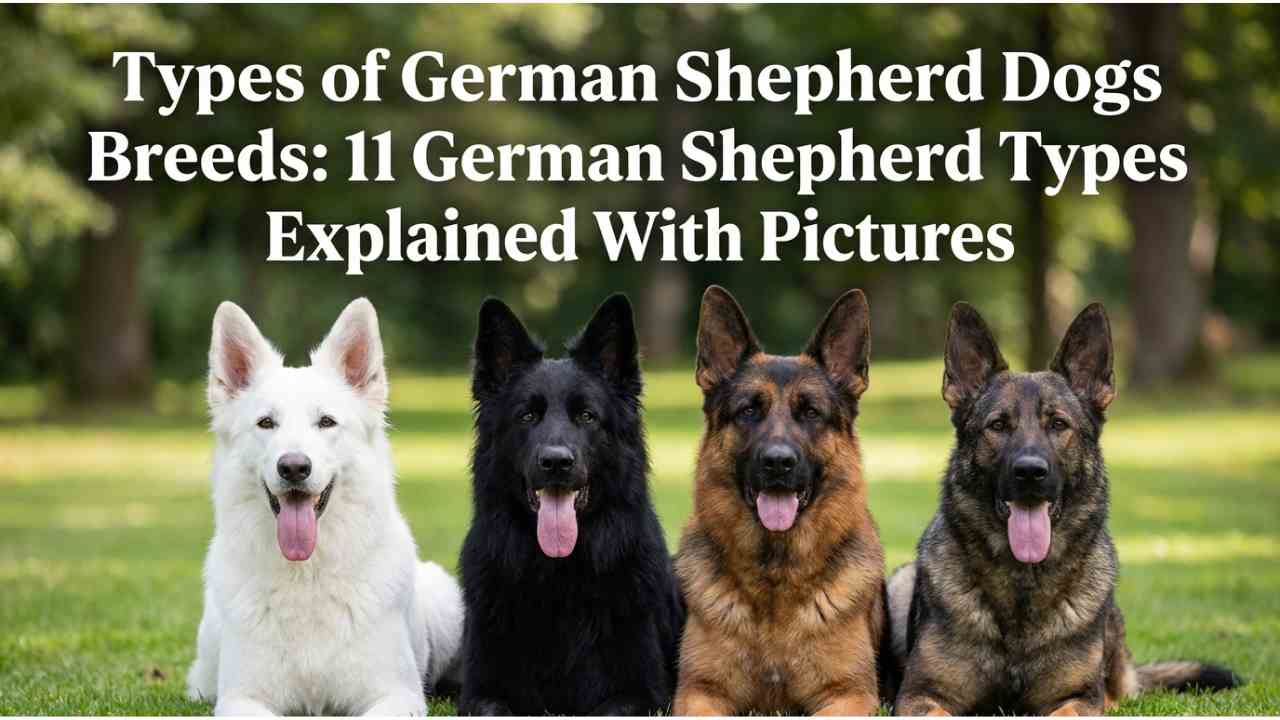
Types of German Shepherd Dogs Breeds
The German Shepherd Dog (GSD) is arguably one of the most recognizable, intelligent, and versatile canine breeds in modern history. If you are exploring the numerous types of german shepherd dogs breeds, you might be overwhelmed by the conflicting terminology—from “DDR working lines” to “American show lines” and rare color variations. At Pet Meal Guide, we regularly research canine nutrition, breed development, training requirements, growth patterns, and health considerations. This guide combines breed standards from organizations like the AKC, working dog history, veterinary references, and breed registry information to help owners understand the major German Shepherd types.
Because of their unparalleled intelligence and loyalty, German Shepherds have cemented their legacy in police and military history, as well as serving as beloved family companions. However, the immense popularity of the breed has led to distinct genetic divergences. There is widespread confusion regarding the different breeds of german shepherd dogs (though technically, they are all one breed with distinct genetic lineages). Understanding the specific types of german shepherds breeds is critical for matching a dog’s intense drive, energy level, and temperament to your family’s lifestyle.
Table of Contents
- What Is a German Shepherd? (History & Characteristics)
- How Many Types of German Shepherd Dogs Breeds Are There?
- 11 Types of German Shepherds: Colors, Coats & Bloodlines
- Common Working Line German Shepherd Bloodlines
- Working Line vs Show Line German Shepherd
- Types of German Shepherds Based on Color Variations
- Which Type of GSD Is Best? (Families, Police, Protection)
- German Shepherd Size, Weight and Bite Force Comparison
- Dog Breeds That Look Like German Shepherds
- German Shepherd Lifespan and Health
- Recommended Gear for German Shepherds
- Frequently Asked Questions
What Is a German Shepherd?
The German Shepherd Dog is a large-sized working dog that originated in Germany. It belongs to the Herding Group.
History of the German Shepherd Breed
The breed was standardized in 1899 by Captain Max von Stephanitz. His vision was to create the ultimate German herding dog—a canine possessing unmatched intelligence, athleticism, and an unwavering work ethic. As the industrial revolution diminished the need for sheep herding, von Stephanitz astutely pivoted the breed’s focus toward military and police work, ensuring the breed’s survival and establishing the rigorous working trials that still exist in Germany today through the SV Germany registry.
General Appearance and Characteristics of German Shepherds
While the german shepherd characteristics vary slightly depending on the specific bloodline, all purebred German Shepherds should project an image of strength, agility, and nobility. They possess a double coat, erect ears, a long muzzle, and a bushy tail that hangs down when resting.
Quick German Shepherd Breed Facts Table
| Trait | Standard Baseline |
|---|---|
| Average Height (Male) | 24 to 26 inches |
| Average Height (Female) | 22 to 24 inches |
| Weight of GSD | 50 to 90 pounds |
| Life Expectancy | 7 to 13 years |
| Bite Force | 238 PSI (Pounds per Square Inch) |
| Coat Type | Dense double coat (Medium or Long hair) |
How Many Types of German Shepherd Dogs Breeds Are There?
Biologically, there is only one German Shepherd breed. However, when people ask about the types of german shepherd dogs breeds, they are referring to the distinct genetic lineages (bloodlines) and physical color variations that have been selectively bred over the last century.
Generally, German Shepherds are divided into five major bloodlines (American Show, West German Show, West German Working, DDR/East German Working, and Czech Working) and numerous distinct color patterns. In this guide, we break down the 11 types of german shepherds based on these bloodlines and striking coat variations.
11 Types of German Shepherds: Colors, Coats & Bloodlines
Whether you are searching for a high-drive protection dog or a calm family guardian, here are the 8 types of german shepherds you should know about (plus 3 rare variations) that define the breed today.
1. Black and Tan German Shepherd
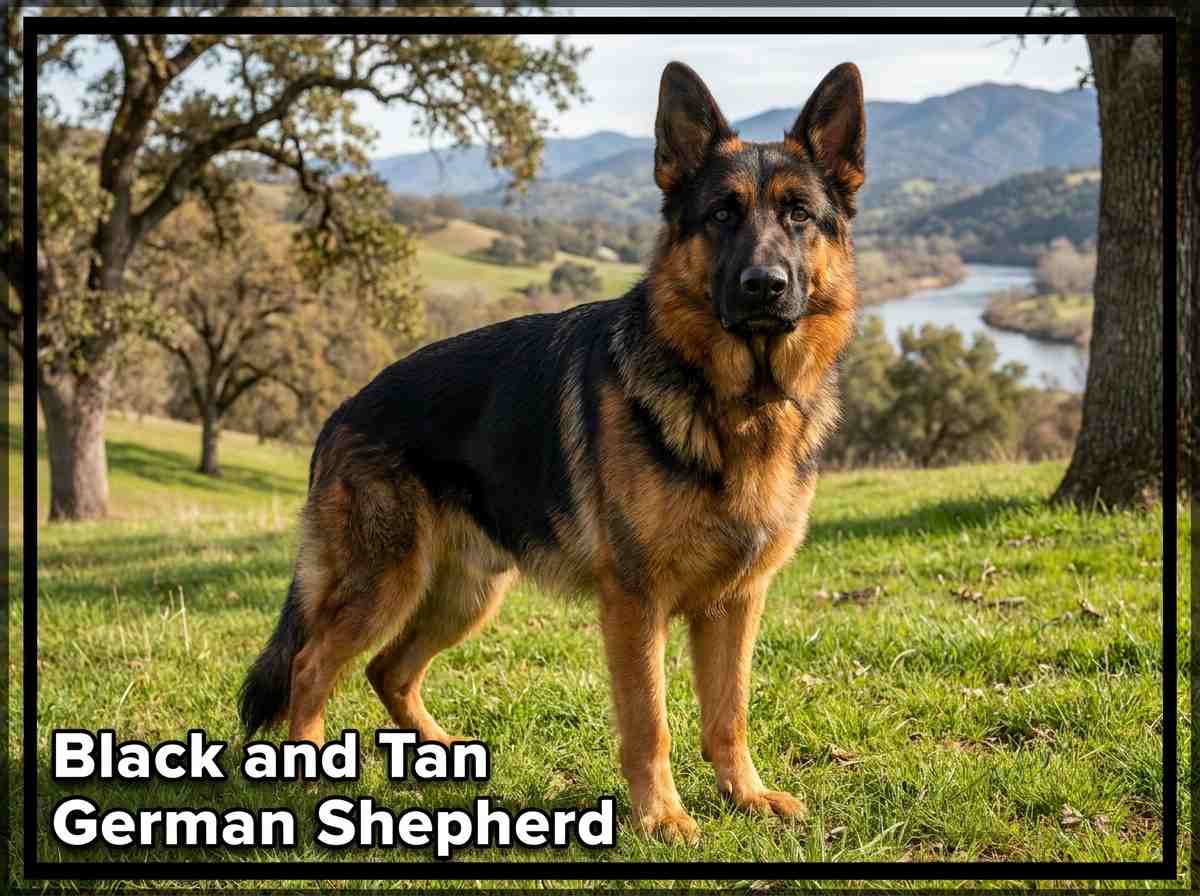
Overview: The Black and Tan is the quintessential, iconic image of the German Shepherd. Popularized by Hollywood dogs like Rin Tin Tin, this is the most recognized color variation globally.
Temperament: Highly intelligent, loyal, and protective. They form intense bonds with their families.
Physical Characteristics: They feature a black “saddle” across their back with tan, gold, or reddish-brown markings on their legs, chest, and face.
Best For: Families, service work, and obedience training.
- Pros: Extremely trainable, classic appearance, widely available.
- Cons: High shedding (blows coat twice a year).
| Height: | 22–26 inches |
| Weight: | 65–95 lbs |
| Speed: | 28–30 mph |
| Bite Force: | 238–250 PSI |
| Energy Level: | High |
2. Sable German Shepherd
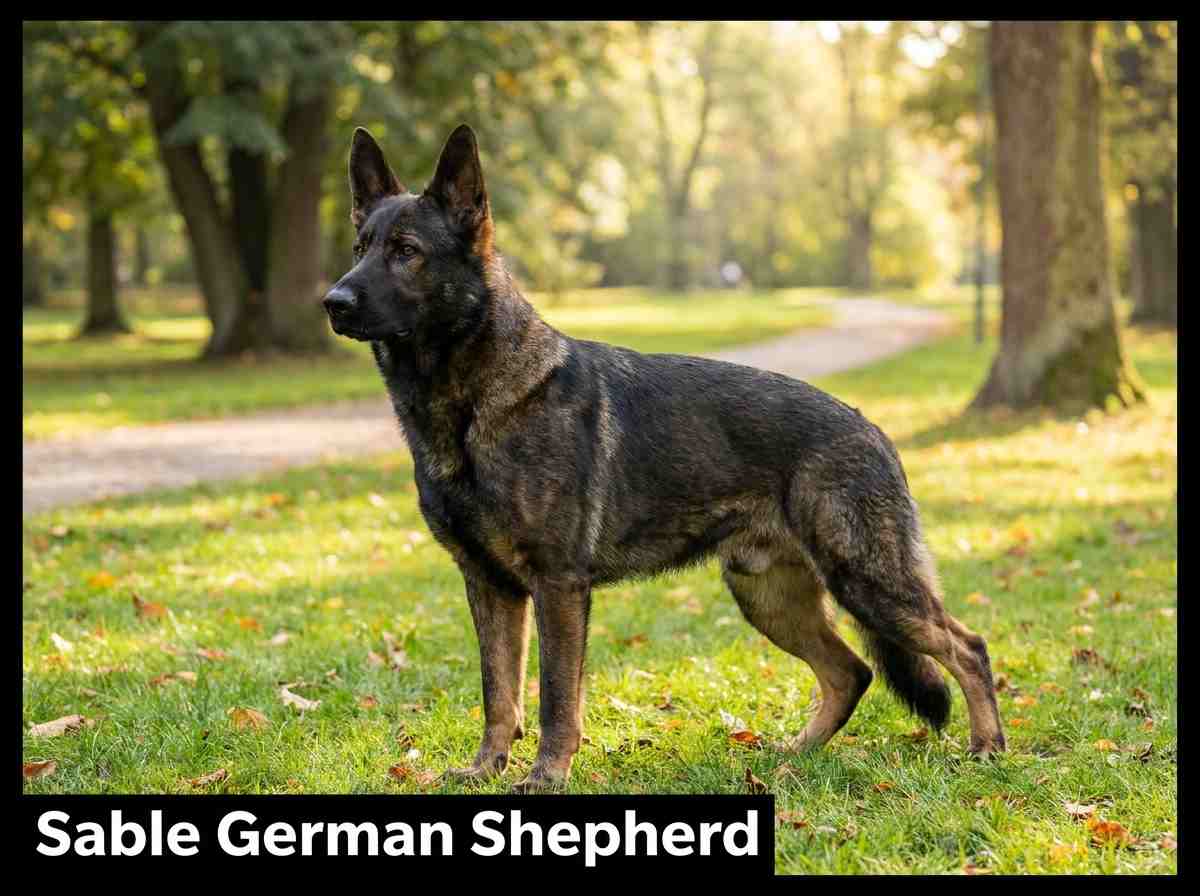
Overview: The Sable German Shepherd is considered the original German Shepherd color pattern. The first registered German Shepherd, Horand von Grafrath, carried the sable coat, making this variation an important part of the breed’s history. Today, sable dogs are commonly seen in working-line programs around the world.
Temperament: Sable German Shepherds are known for their confidence, intelligence, courage, and strong work ethic. Many have high energy levels, excellent focus, and strong protective instincts, making them popular choices for demanding jobs.
Physical Characteristics: Unlike solid-colored German Shepherds, each sable hair contains multiple color bands, creating a wolf-like appearance. Coat shades can range from light gray and silver to deep brown and black.
Best For: Police work, military service, search and rescue, detection work, protection sports, and highly active owners.
- Pros: Exceptional working ability, highly trainable, strong endurance, and often selected from proven working bloodlines.
- Cons: Requires significant daily physical exercise and mental stimulation; may be overwhelming for first-time dog owners.
| Height: | 22–26 inches |
| Weight: | 65–95 lbs |
| Speed: | 28–30 mph |
| Bite Force: | 238–250 PSI |
| Energy Level: | Very High |
3. Solid Black German Shepherd
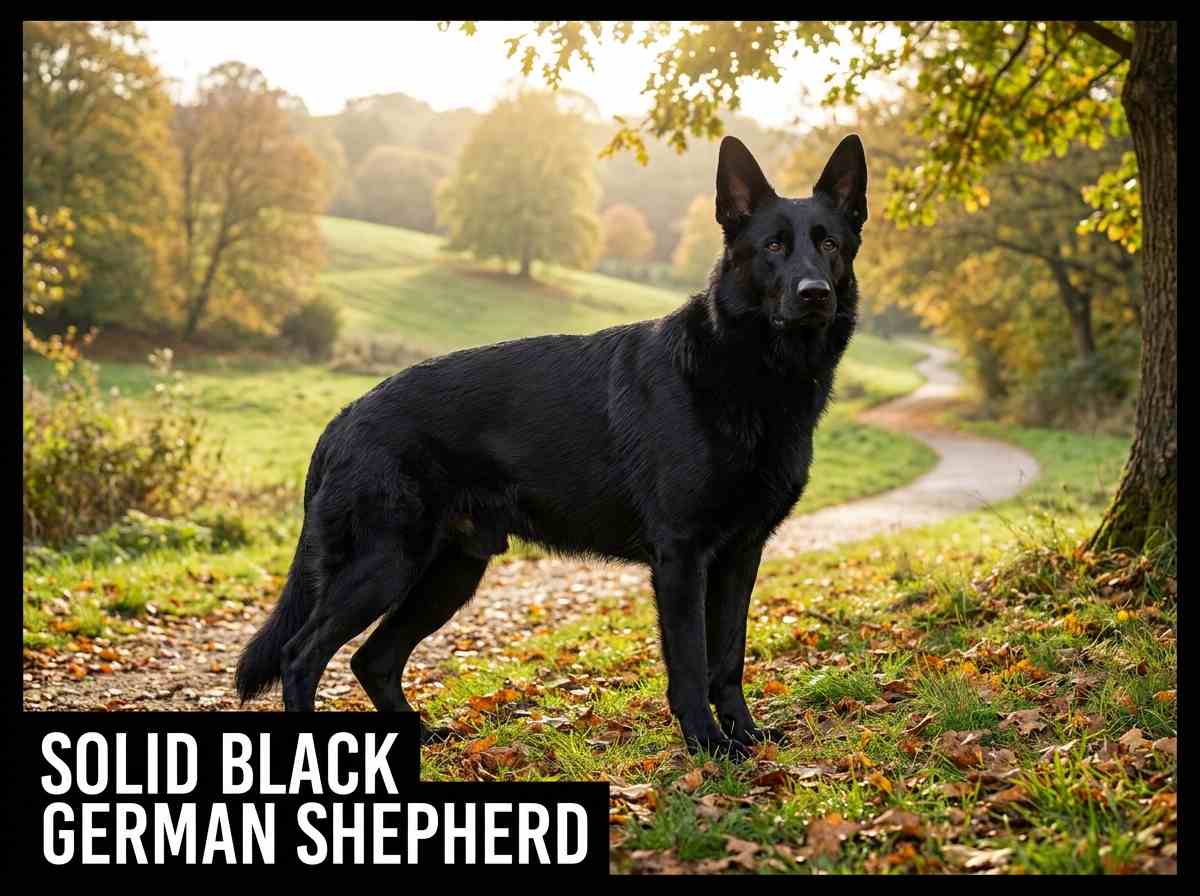
Overview: The Solid Black German Shepherd is one of the most striking and sought-after German Shepherd variations. Unlike the traditional black-and-tan pattern, these dogs carry a recessive gene that produces an entirely black coat from head to tail. Although less common, they are purebred German Shepherds and possess the same intelligence, loyalty, and working ability that made the breed famous worldwide.
Temperament: Solid Black German Shepherds are confident, fearless, and highly intelligent. They form strong bonds with their owners and are naturally protective without being unnecessarily aggressive. Their eagerness to learn makes them excellent candidates for advanced obedience, protection work, search and rescue, and service dog roles.
Physical Characteristics: These dogs feature a completely black coat with no tan, red, or silver markings. Their coats may be short, medium, or long-haired depending on genetics. Most have dark brown eyes, a strong muscular frame, erect ears, and the classic athletic build associated with working-line German Shepherds.
Best For: Personal protection, family guardianship, military work, police K9 units, and active owners seeking a highly trainable companion.
- Pros: Exceptional guarding instincts, highly intelligent, impressive appearance, strong work ethic, and excellent trainability.
- Cons: Heavy seasonal shedding, requires significant daily exercise, and dark coats may absorb more heat in warm climates.
| Height: | 22–26 inches |
| Weight: | 65–95 lbs |
| Coat & Colors: | Solid black coat without tan markings |
| Speed: | 28–30 mph |
| Bite Force: | 238–250 PSI |
| Energy Level: | High |
| Trainability: | Excellent |
| Recognition: | Recognized by AKC and major kennel clubs |
Expert Insight: Many people assume Solid Black German Shepherds are a separate breed, but they are simply a rare color variation within the German Shepherd breed. Their popularity has increased among working dog enthusiasts because many originate from strong working bloodlines known for courage, athleticism, and reliability.
4. White German Shepherd
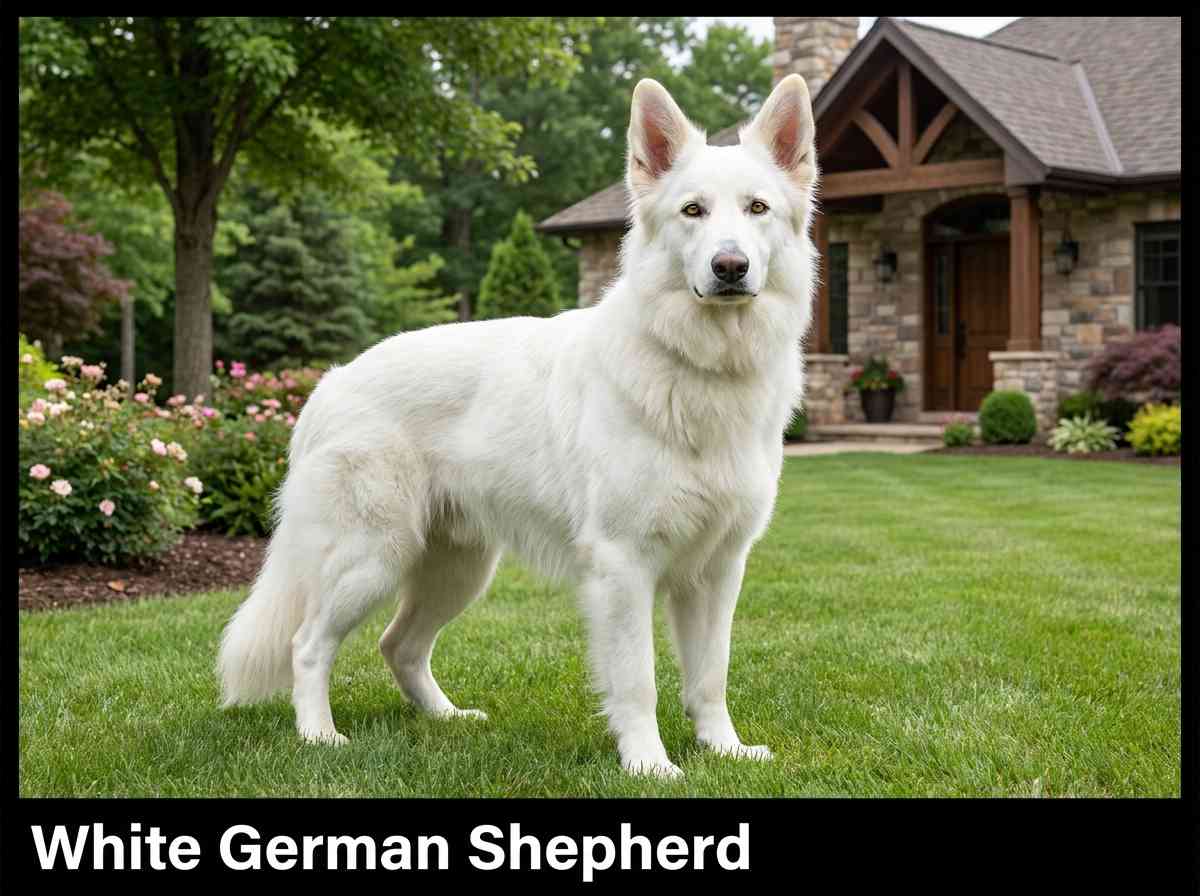
Overview: The White German Shepherd is one of the most elegant and visually distinctive German Shepherd variations. Its beautiful white coat results from a recessive gene that masks traditional German Shepherd coloring. Contrary to common misconceptions, White German Shepherds are not albinos. They have normal pigmentation, including dark eyes, black noses, and dark paw pads. While the American Kennel Club (AKC) disqualifies white-coated dogs from conformation showing, they remain purebred German Shepherds and are recognized by several international registries.
Temperament: White German Shepherds are often described as gentle, loyal, intelligent, and highly people-oriented. Many owners report that they tend to be slightly calmer and more approachable than some high-drive working-line German Shepherds. They thrive on companionship and usually form strong bonds with their families.
Physical Characteristics: These dogs possess a pure white double coat that may be medium or long-haired. Their athletic body structure remains consistent with the German Shepherd standard, featuring erect ears, a strong neck, deep chest, and balanced proportions. Their bright white coat often gives them a striking wolf-like appearance.
Best For: Families, therapy work, emotional support roles, active households, obedience training, and owners seeking a loyal companion with a slightly softer temperament.
- Pros: Friendly family companion, highly intelligent, visually stunning appearance, excellent trainability, and strong loyalty.
- Cons: Heavy shedding throughout the year, white coats show dirt more easily, and they are not accepted in AKC conformation competitions.
| Height: | 22–26 inches |
| Weight: | 60–90 lbs |
| Coat & Colors: | Solid white double coat |
| Speed: | 28–30 mph |
| Bite Force: | 238–250 PSI |
| Energy Level: | Moderately High |
| Trainability: | Excellent |
| Recognition: | Recognized by UKC and several international registries |
Expert Insight: White German Shepherds are frequently confused with the White Swiss Shepherd (Berger Blanc Suisse). While the breeds share a common ancestry, the White Swiss Shepherd has developed into a separate recognized breed in several countries. White German Shepherds retain the intelligence, versatility, and working ability that have made German Shepherds one of the world’s most respected dog breeds.
5. Black and Red German Shepherd
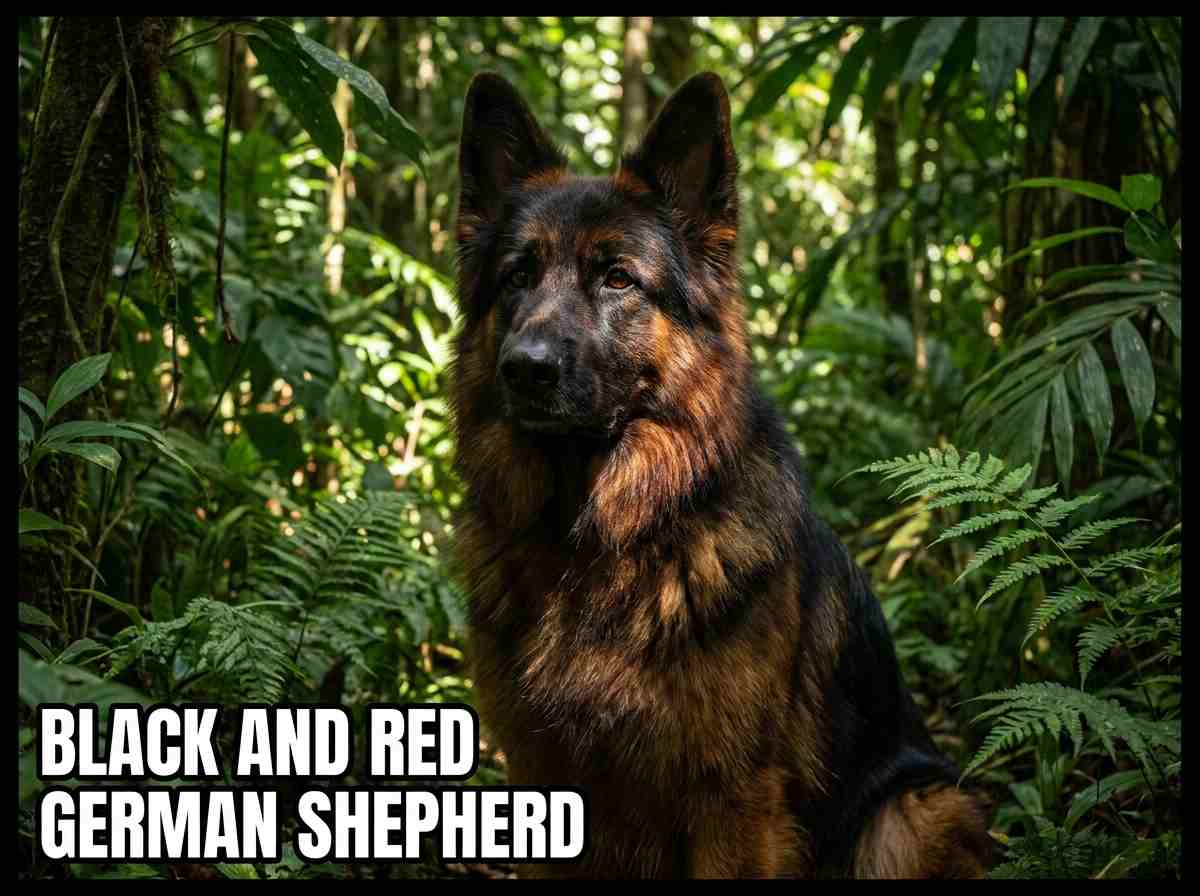
Overview: The Black and Red German Shepherd is one of the most visually impressive German Shepherd types. It is commonly associated with prestigious West German Show Lines and is frequently seen in dog shows worldwide. The deep red pigmentation combined with a rich black saddle creates a striking appearance that attracts many German Shepherd enthusiasts.
Temperament: Black and Red German Shepherds are intelligent, confident, loyal, and highly trainable. Compared to many working-line German Shepherds, they often display a calmer and more balanced temperament, making them excellent companions for active families while still maintaining strong protective instincts.
Physical Characteristics: Their coat features vibrant red, mahogany, or reddish-brown markings combined with a well-defined black saddle and facial mask. They typically have a strong, athletic build, expressive eyes, and a dense double coat that requires regular grooming.
Best For: Active families, obedience competitions, dog sports, therapy work, and conformation showing.
- Pros: Beautiful appearance, highly trainable, loyal family companion, excellent intelligence.
- Cons: Heavy seasonal shedding and some show-line dogs may be more susceptible to hip and joint problems if poorly bred.
| Height: | 22–26 inches |
| Weight: | 65–95 lbs |
| Coat & Colors: | Black saddle with deep red or mahogany markings |
| Speed: | 28–30 mph |
| Bite Force: | 238–250 PSI |
| Energy Level: | High |
6. Bi-Color German Shepherd
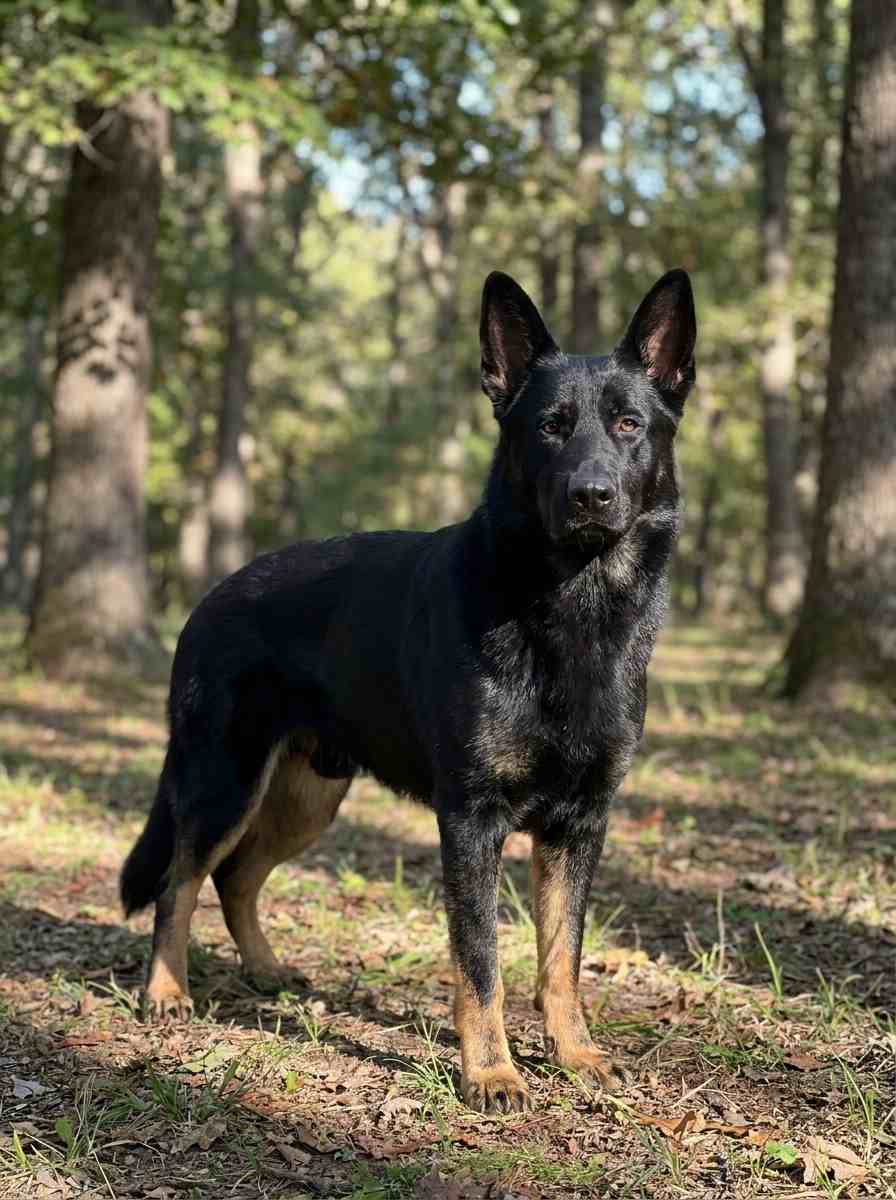
Overview: The Bi-Color German Shepherd is often mistaken for a Solid Black German Shepherd because of its heavily black coat. However, bi-colors possess small tan markings on the feet, legs, face, or under the tail. This type is commonly found in working bloodlines and is highly valued in police and military programs.
Temperament: Confident, focused, highly trainable, and intensely loyal. Bi-Color German Shepherds are known for their strong work ethic, making them popular among law enforcement agencies and experienced handlers.
Physical Characteristics: Predominantly black coat covering most of the body with limited tan markings, often referred to as “tar heels.” They typically have a strong build, athletic frame, and alert expression.
Best For: Police work, protection sports, military applications, security work, and highly active owners.
- Pros: Excellent working ability, high intelligence, strong protective instincts.
- Cons: Requires significant physical exercise and mental stimulation; may be too intense for inexperienced owners.
| Height: | 22–26 inches |
| Weight: | 65–95 lbs |
| Speed: | 28–30 mph |
| Bite Force: | 238–250 PSI |
| Energy Level: | High |
7. Blue German Shepherd
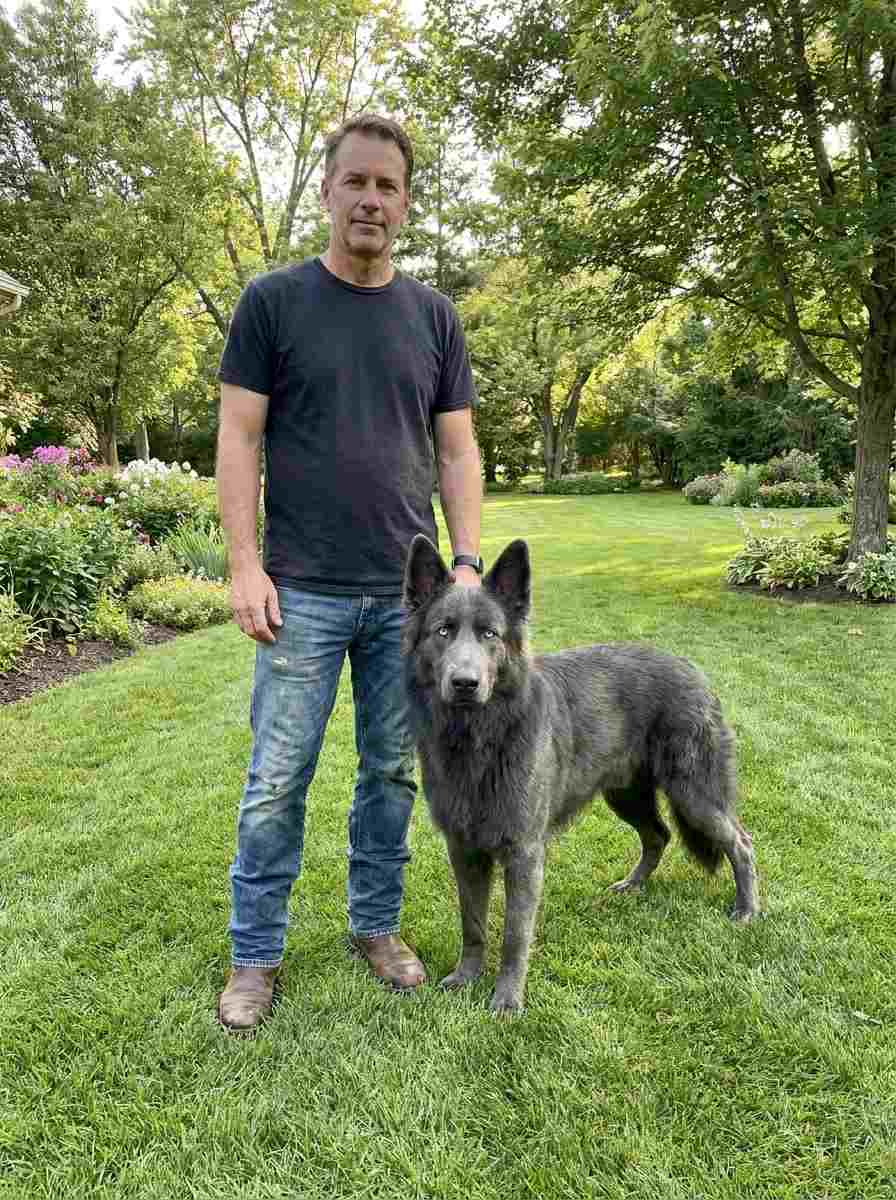
Overview: The Blue German Shepherd is one of the rarest color variations of the breed. Its unique blue-gray appearance is caused by a recessive dilution gene that alters black pigmentation. Although uncommon, Blue German Shepherds are purebred German Shepherds and share the same ancestry, intelligence, and working abilities as traditional GSDs.
Temperament: Blue German Shepherds are intelligent, loyal, courageous, and eager to please. They form strong bonds with their families and respond exceptionally well to consistent training and socialization. Like other German Shepherds, they require regular mental stimulation and physical exercise to remain balanced and happy.
Physical Characteristics: Their coat ranges from steel blue and charcoal gray to a bluish-silver shade. Many Blue German Shepherds have lighter-colored eyes, including amber or light brown, which further enhances their distinctive appearance. They possess the same muscular build, erect ears, and athletic structure as standard German Shepherds.
Best For: Active families, experienced dog owners, obedience training, companionship, and dog sports.
- Pros: Rare and eye-catching appearance, highly intelligent, loyal family companion, excellent trainability.
- Cons: Not accepted in many breed show standards, can be difficult to find from reputable breeders, and may be more expensive than standard color varieties.
| Height: | 22–26 inches |
| Weight: | 65–95 lbs |
| Coat & Colors: | Blue-gray, steel blue, charcoal, or silver-blue shades |
| Speed: | 28–30 mph |
| Bite Force: | 238–250 PSI |
| Energy Level: | High |
8. Liver German Shepherd
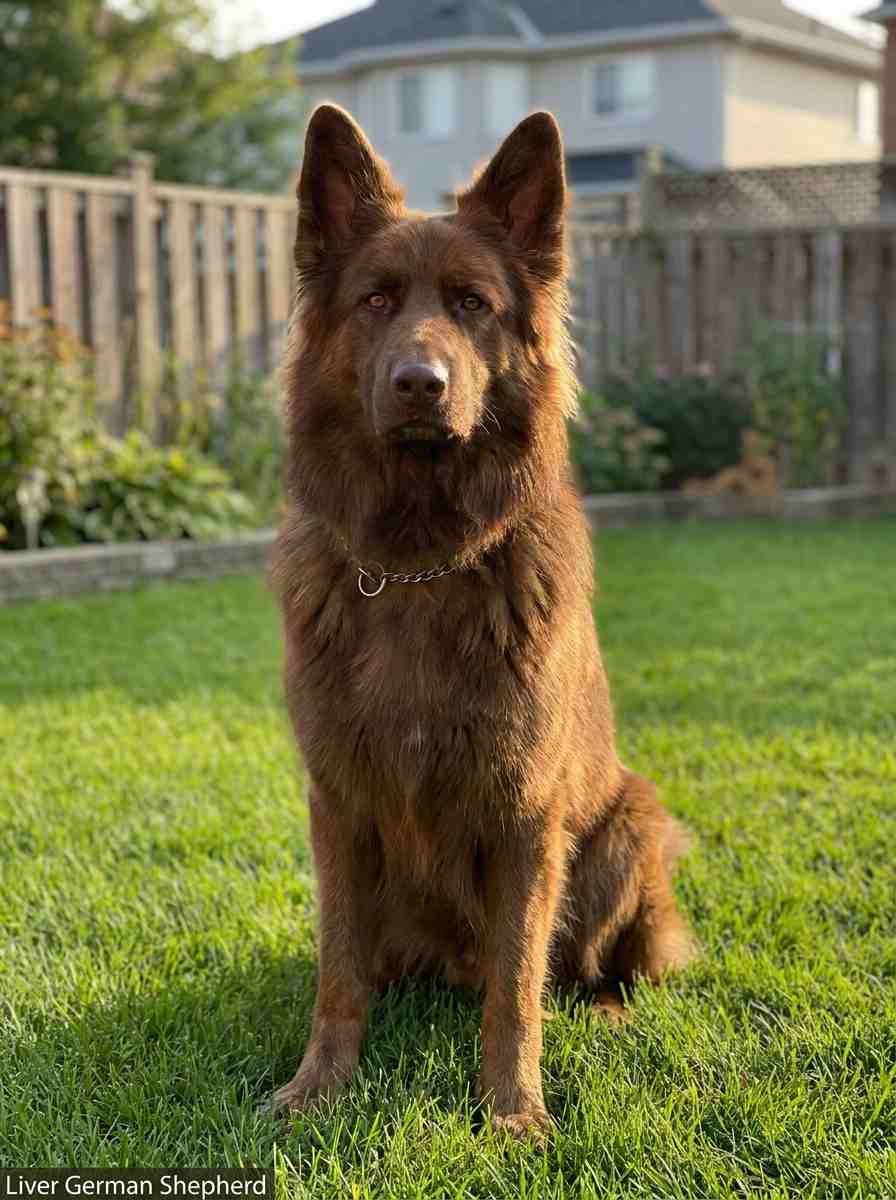
Overview: The Liver German Shepherd is a rare color variation created by a recessive gene that suppresses black pigmentation. Instead of the traditional black coat markings, these dogs display various shades of brown ranging from light chocolate to deep liver. While uncommon, Liver German Shepherds are purebred German Shepherds with the same intelligence, loyalty, and versatility that have made the breed famous worldwide.
Temperament: Liver German Shepherds are confident, affectionate, highly intelligent, and eager to work alongside their owners. They thrive when given consistent training, daily exercise, and opportunities to use their problem-solving abilities. Their loyal and protective nature makes them excellent companions for active households.
Physical Characteristics: Unlike traditional German Shepherds, Liver German Shepherds have brown pigmentation instead of black. Their coat may appear chocolate, reddish-brown, or liver-colored, accompanied by a brown nose, light-colored eyes, and matching paw pigmentation. They maintain the breed’s muscular frame, erect ears, and athletic appearance.
Best For: Active families, experienced dog owners, obedience training, companion homes, and canine sports.
- Pros: Unique appearance, loyal personality, highly trainable, strong family bond.
- Cons: Rare and difficult to find, not accepted in many conformation breed standards, often commands higher purchase prices from breeders.
| Height: | 22–26 inches |
| Weight: | 65–95 lbs |
| Coat & Colors: | Chocolate brown, liver brown, reddish-brown shades |
| Speed: | 28–30 mph |
| Bite Force: | 238–250 PSI |
| Energy Level: | High |
9. Panda German Shepherd
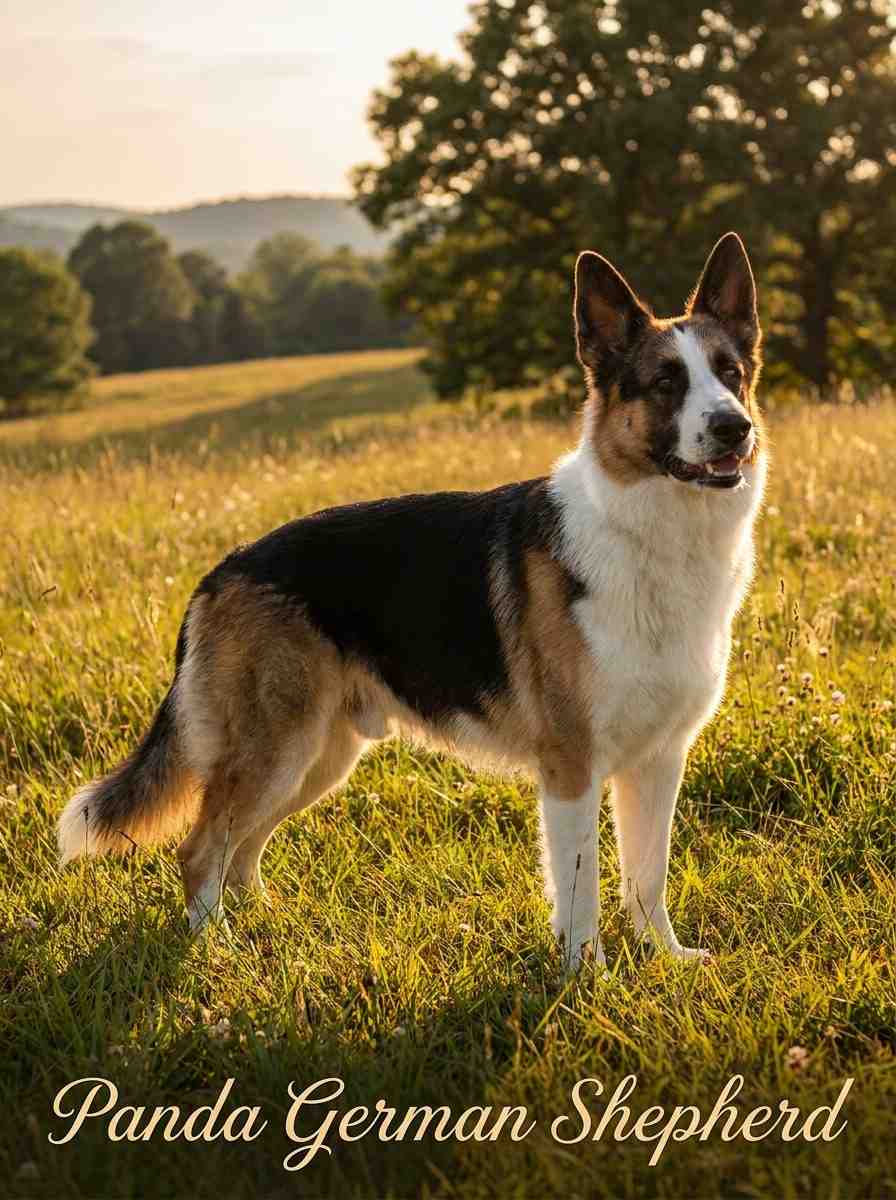
Overview: The Panda German Shepherd is one of the rarest German Shepherd variations. Despite its unusual appearance, it is a purebred German Shepherd. The distinctive white markings come from a naturally occurring genetic mutation first identified in a registered German Shepherd bloodline, not from crossbreeding with other dog breeds.
Physical Characteristics: Panda German Shepherds typically display a striking combination of black, tan, and white markings. White patches commonly appear on the face, chest, neck, legs, and tail, creating a unique coat pattern that immediately stands out from traditional German Shepherd colors.
Temperament: Their personality is similar to other German Shepherds. They are intelligent, loyal, confident, eager to learn, and strongly bonded to their families. The Panda coloration does not affect temperament, trainability, or working ability.
Best For: Active families, experienced dog owners, obedience training enthusiasts, and German Shepherd lovers looking for a rare and eye-catching companion.
Exercise & Training: Panda German Shepherds need daily physical exercise and mental stimulation. Activities such as obedience training, scent work, agility courses, and long walks help prevent boredom and destructive behaviors.
Health Considerations: The Panda gene itself is not known to cause health problems. However, like all German Shepherds, they may still be prone to breed-related conditions such as hip dysplasia, elbow dysplasia, and degenerative myelopathy. Responsible breeding and regular veterinary care are important.
| Trait | Details |
|---|---|
| Height | 22–26 inches |
| Weight | 50–90 lbs |
| Coat Colors | Black, Tan, and White |
| Lifespan | 9–13 Years |
| Energy Level | High |
| Trainability | Excellent |
| Best For | Families, Active Owners, Companion Dogs |
Pet Meal Guide Expert Tip: Many people assume Panda German Shepherds are mixed-breed dogs because of their white markings. Genetic testing has confirmed that true Panda German Shepherds can be purebred German Shepherds carrying a rare piebald mutation. When choosing a Panda puppy, focus on health testing, temperament, and breeder reputation rather than coat color alone.
10. East German DDR German Shepherd
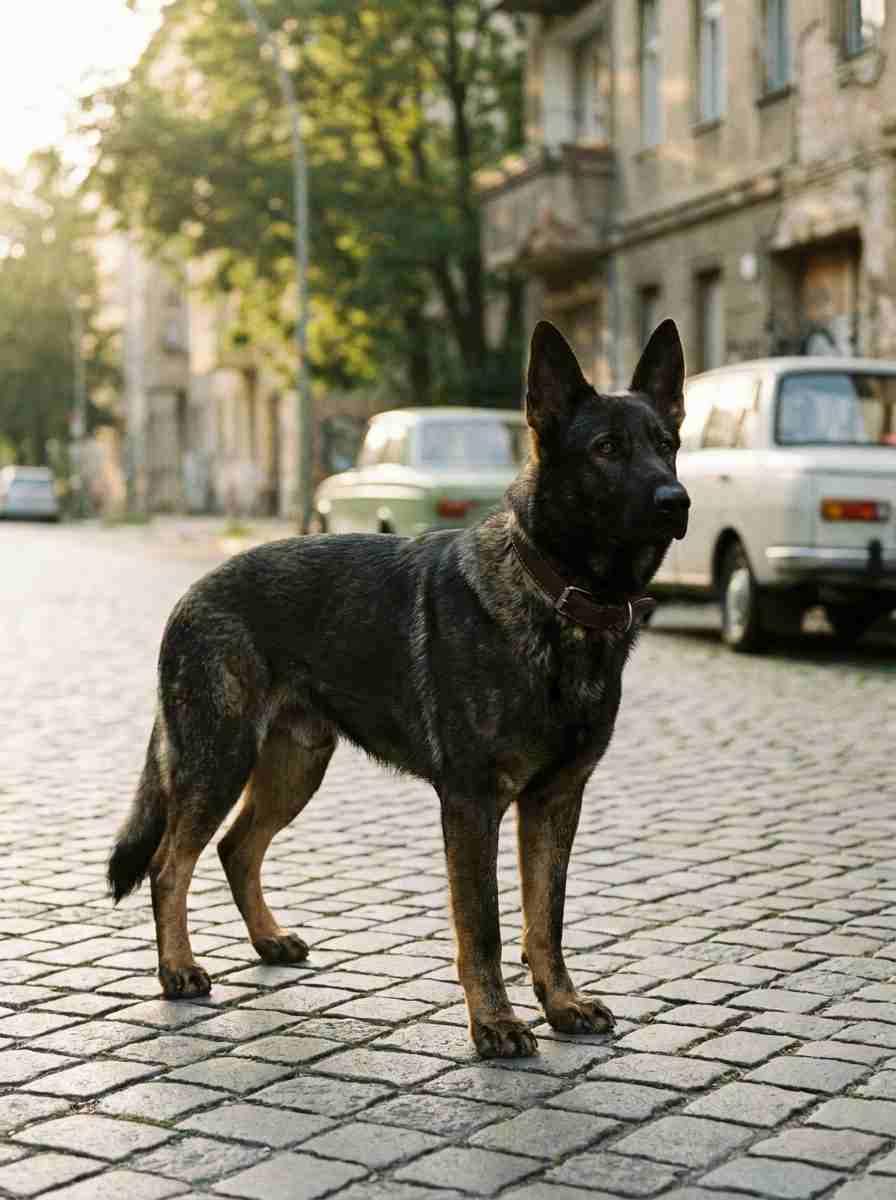
Overview: The East German DDR German Shepherd is one of the most respected working-line German Shepherds ever developed. “DDR” stands for Deutsche Demokratische Republik (German Democratic Republic), the former East Germany. Following World War II, East German breeders operated under strict government-controlled breeding programs focused almost entirely on health, endurance, working ability, and military performance rather than appearance. Only the strongest, healthiest, and most capable dogs were selected for breeding, resulting in a line known for exceptional durability and reliability.
Temperament: DDR German Shepherds are confident, courageous, highly focused, and intensely loyal to their handlers. They are naturally protective and often reserved around strangers. Unlike many modern show-line German Shepherds, DDR dogs possess strong working drives and require experienced leadership, structured training, and daily mental challenges. When properly trained, they become dependable family guardians and outstanding working partners.
Physical Characteristics: These dogs typically have large heads, broad chests, dense bone structure, powerful muscles, and straight backs. Most DDR German Shepherds display dark sable, sable, black sable, or solid black coats. Their physical build emphasizes strength and endurance rather than extreme angulation, helping reduce stress on the hips and joints.
Best For: Military service, police K-9 units, border patrol, protection work, search and rescue, advanced obedience, and experienced working-dog handlers.
- Pros: Exceptional working ability, strong nerves, excellent health history, high endurance, superior protective instincts.
- Cons: Requires extensive training, high exercise needs, may be too intense for inexperienced dog owners.
| Height: | 24–26 inches |
| Weight: | 75–100 lbs |
| Coat & Colors: | Dark sable, black sable, solid black |
| Speed: | 28–30 mph |
| Bite Force: | 240–270 PSI |
| Energy Level: | Very High |
Interesting Fact: During the Cold War, DDR German Shepherds were widely used along the Berlin Wall and East German borders. Breeding programs prioritized traits such as tracking ability, courage, pain tolerance, and environmental stability, creating one of the toughest German Shepherd bloodlines in history.
11. Czech Working Line German Shepherd
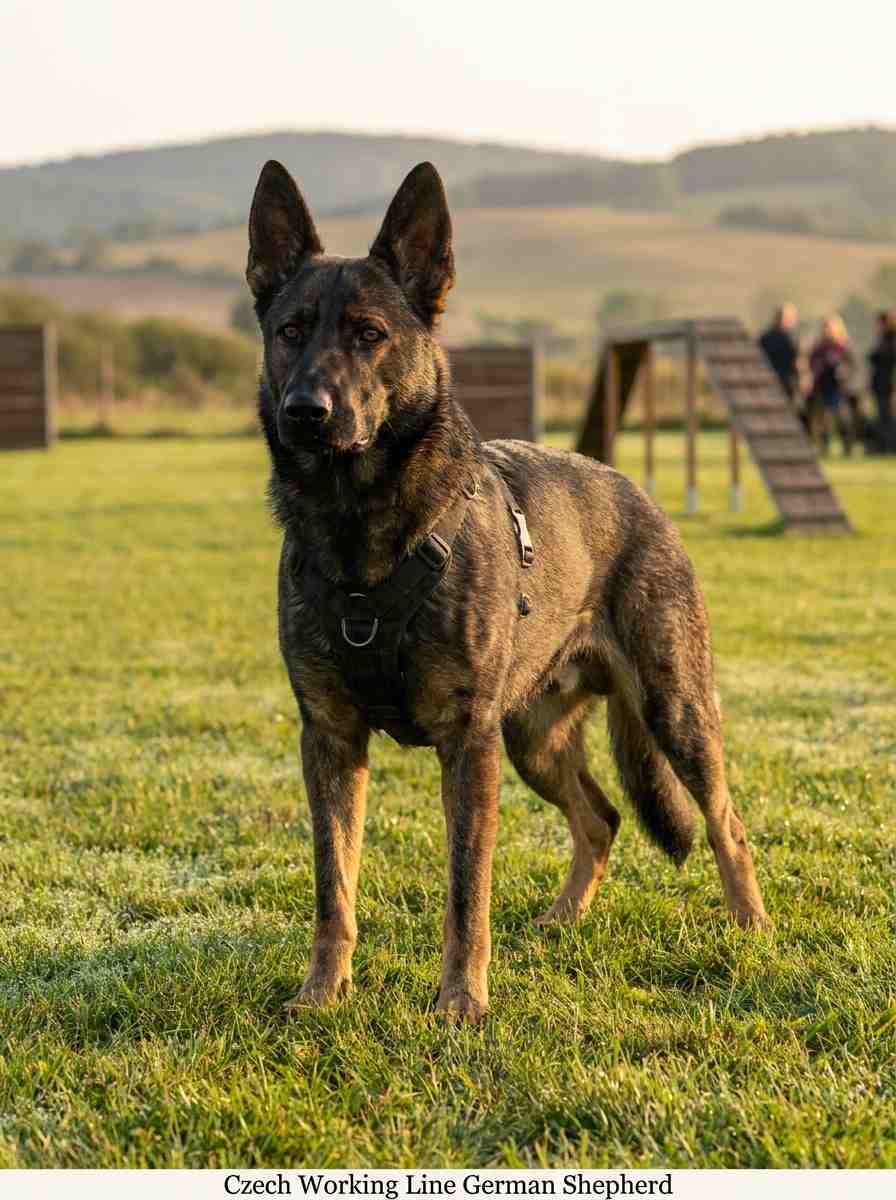
Overview: The Czech Working Line German Shepherd originated from government-controlled breeding programs in former Czechoslovakia. These dogs were primarily developed for military and border protection duties, with breeding focused on intelligence, athleticism, scent detection, and work performance. Modern Czech Working Line German Shepherds remain highly sought after by police departments, protection trainers, and working-dog enthusiasts worldwide.
Temperament: Czech Working Lines are known for their intense work ethic, strong prey drive, exceptional focus, and unwavering loyalty. They thrive when given structured tasks and daily challenges. These dogs are highly trainable and often excel in Schutzhund, IGP, detection work, agility, and law enforcement roles. Without adequate mental and physical stimulation, they can become frustrated or destructive.
Physical Characteristics: Czech Working Line German Shepherds typically have athletic bodies, strong muscles, deep chests, and highly agile movement. Their coats are most commonly dark sable, wolf sable, black sable, or black and tan. Compared to many show-line German Shepherds, Czech dogs often have straighter backs and more functional working structures.
Best For: Police work, military service, scent detection, personal protection, sport competitions, search and rescue, and highly active owners.
- Pros: Exceptional intelligence, outstanding trainability, tremendous athletic ability, excellent working instincts.
- Cons: Extremely high energy, requires experienced handling, not ideal for sedentary households.
| Height: | 24–26 inches |
| Weight: | 65–95 lbs |
| Coat & Colors: | Dark sable, wolf sable, black sable, black and tan |
| Speed: | 30–32 mph |
| Bite Force: | 238–270 PSI |
| Energy Level: | Extremely High |
Interesting Fact: Many modern working German Shepherd programs worldwide trace their genetics back to Czech border patrol dogs. Their combination of athleticism, intelligence, scenting ability, and drive makes them one of the most capable working German Shepherd bloodlines available today.
To track the growth of these robust working lines, utilize our Large Breed Puppy Growth Calculator to ensure their bones are developing safely.
All German Shepherd Types Comparison
| Type / Bloodline | Average Weight | Temperament Focus | Best For | Rarity |
|---|---|---|---|---|
| Black and Tan | 65–90 lbs | Balanced / Loyal | Families, Obedience | Common |
| Sable | 60–85 lbs | High Drive / Focused | Police, Military | Common (Working lines) |
| Solid Black | 65–90 lbs | Protective / Alert | Protection | Uncommon |
| White | 60–85 lbs | Calm / Soft | Families, Therapy | Uncommon |
| Black and Red | 70–95 lbs | Steady / Eager to Please | Show, Active Families | Common (Show lines) |
| Bi-Color | 65–90 lbs | Intense / Work-Oriented | Protection Sports | Uncommon |
| Blue | 60–85 lbs | Variable (Companion) | Pet / Companion | Rare |
| Liver | 60–85 lbs | Variable (Companion) | Pet / Companion | Rare |
| Panda | 60–85 lbs | High Energy | Experienced Owners | Extremely Rare |
| DDR (East German) | 70–95+ lbs | Serious / Guarding | Military, Border Patrol | Uncommon |
| Czech Working Line | 65–85 lbs | Elite Drive / Agile | Police, Detection | Uncommon |
Common Working Line German Shepherd Bloodlines
When categorizing common working line german shepherd bloodlines, breeders look at the geographic and historical purpose of the genetic lineage.
- West German Working Line: Bred strictly for IPO/Schutzhund (protection and obedience sports). They have straight backs, dark sable or bi-color coats, and exceptionally high drive.
- West German Show Line: Bred to conform exactly to the SV standard. They possess the classic black and red saddle pattern, a fluid “flying trot” gait, and a sloped back.
- American Show Line: Heavily bred since the 1970s for the AKC show ring. They have extreme rear angulation (very sloped backs), softer temperaments, and less working drive than German lines.
American Show Line vs German Show Line vs Working Lines
| Bloodline Feature | American Show Line | German Show Line | Working Lines (Czech/DDR) |
|---|---|---|---|
| Back Structure | Extreme slope (Angulation) | Moderate slope | Straight, flat back |
| Working Drive | Low to Medium | Medium | Extremely High |
| Primary Purpose | AKC Conformation Ring | SV Ring / Mild Protection | Police, Military, Personal Protection |
Types of German Shepherds Based on Color Variations
Are you wondering what color German Shepherd is rarest? Or which are accepted in the show ring? Here is a breakdown of the types of german shepherds based on color variations.
| Coat Color | AKC Accepted? | Rarity Level | Working Ability |
|---|---|---|---|
| Black and Tan | ✅ Yes | Very Common | High |
| Sable | ✅ Yes | Common | Elite |
| Solid Black | ✅ Yes | Uncommon | Elite |
| White | ❌ No (Disqualified) | Uncommon | Medium (Therapy focus) |
| Blue | ❌ No (Severe Fault) | Rare | Variable |
| Liver | ❌ No (Severe Fault) | Rare | Variable |
| Panda | ❌ No | Extremely Rare | Variable |
| Bi-Color | ✅ Yes | Uncommon | Elite |
Which Type of GSD Is Best?
There is no universally “best” German Shepherd. The best type depends entirely on your lifestyle, experience level, and the dog’s intended job.
Purpose-Driven Breed Match Chart
| Intended Purpose | Best Type of German Shepherd |
|---|---|
| Best for Families | American Show Line or White German Shepherd |
| Best for Police Work | Czech Working Line or Sable West German Working Line |
| Best for Military/Border Patrol | DDR (East German) Working Line |
| Best for Personal Protection | Solid Black or DDR German Shepherd |
| Best for Therapy Work | White German Shepherd or West German Show Line |
| Best for First-Time Owners | Adult rescue or low-drive American Show Line |
German Shepherd Size, Weight and Bite Force Comparison
Understanding the weight of gsd and their physical power is crucial before bringing one into your home. A full-grown working line male is a formidable animal.
To accurately monitor a developing puppy’s weight to prevent obesity, we recommend using our Dog Weight Calculator.
- What is the strongest German Shepherd? The DDR (East German) lines are generally considered the physically strongest and most heavily boned.
- Bite Force: A healthy adult German Shepherd exerts a bite force of approximately 238 PSI. This is strong enough to crush bone, making them elite apprehension dogs in police work.
Dog Breeds That Look Like German Shepherds
If you love the aesthetic of the GSD but aren’t sure if the breed is right for you, several dog breeds that look like german shepherds share similar visual traits.
| Look-Alike Breed | Primary Difference from GSD |
|---|---|
| Belgian Malinois | Lighter, faster, and significantly higher energy/intensity. |
| Dutch Shepherd | Features a brindle (striped) coat pattern; highly driven. |
| King Shepherd | A massive hybrid breed mixed with Malamute or Great Pyrenees. |
| Shiloh Shepherd | Larger, fluffier, and much calmer than a standard GSD. |
| Belgian Tervuren | Long-haired Belgian herding dog; highly energetic. |
Curious how a GSD compares to other popular large breeds? Check out our Labrador Puppy Growth Calculator to see the differences in maturation speed.
German Shepherd Lifespan and Health
The life expectancy of german shepherd dogs typically ranges from 7 to 13 years. The german shepherd lifespan can be extended through rigorous veterinary care, joint supplements, and maintaining a lean body weight via a strict dog feeding schedule.
- Hip and Elbow Dysplasia: Highly prevalent in American Show Lines due to sloped backs.
- Degenerative Myelopathy (DM): A progressive neurological disease affecting the hind legs.
- Gastric Dilatation-Volvulus (Bloat): A fatal twisting of the stomach common in deep-chested breeds.
Recommended Gear for German Shepherds
Managing the strength, intelligence, and shedding of a German Shepherd requires professional-grade equipment. Here are our top Amazon recommendations for GSD owners:
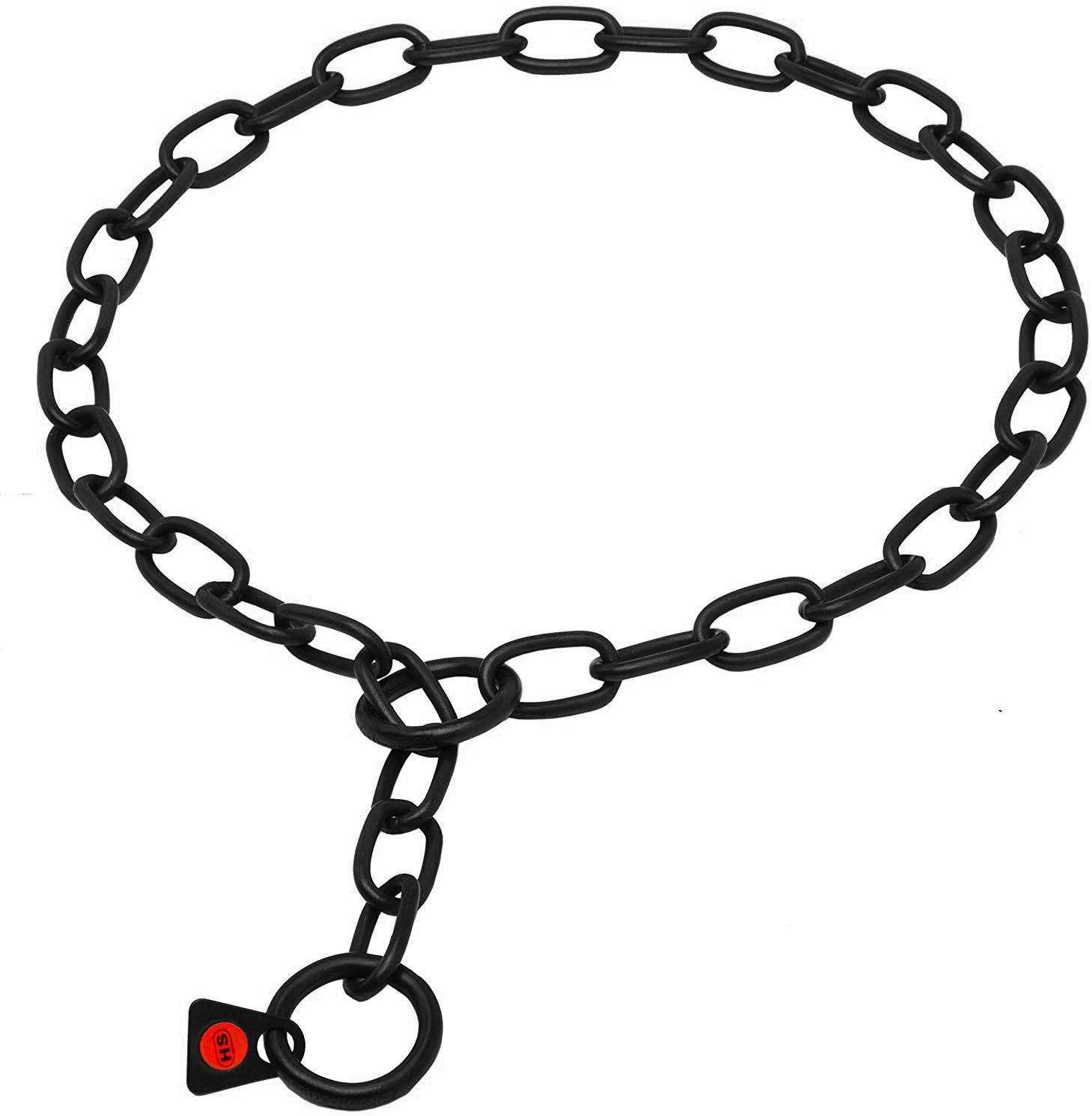
Herm Sprenger Prong Collar
The industry standard for safe, effective working-line obedience training.
View on Amazon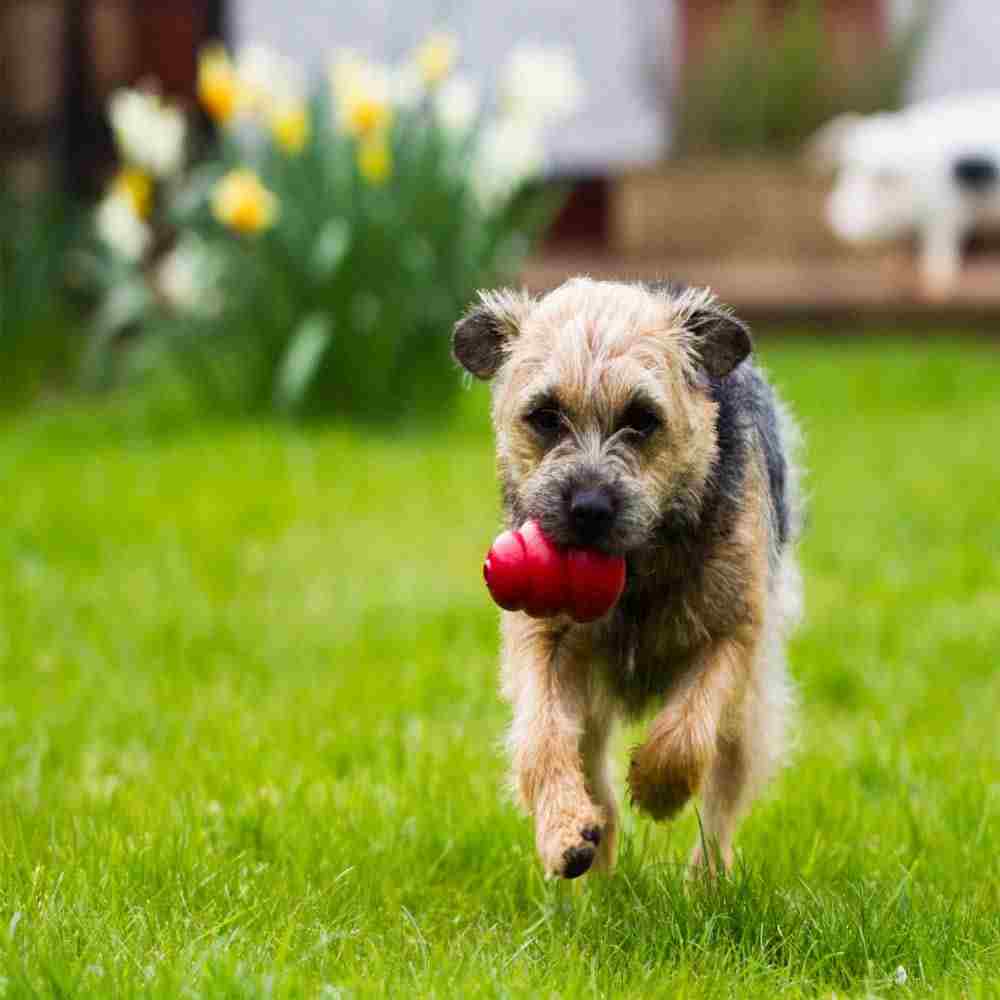
KONG Extreme Dog Toy
Black rubber compound designed specifically to withstand the 238 PSI bite force of a GSD.
View on Amazon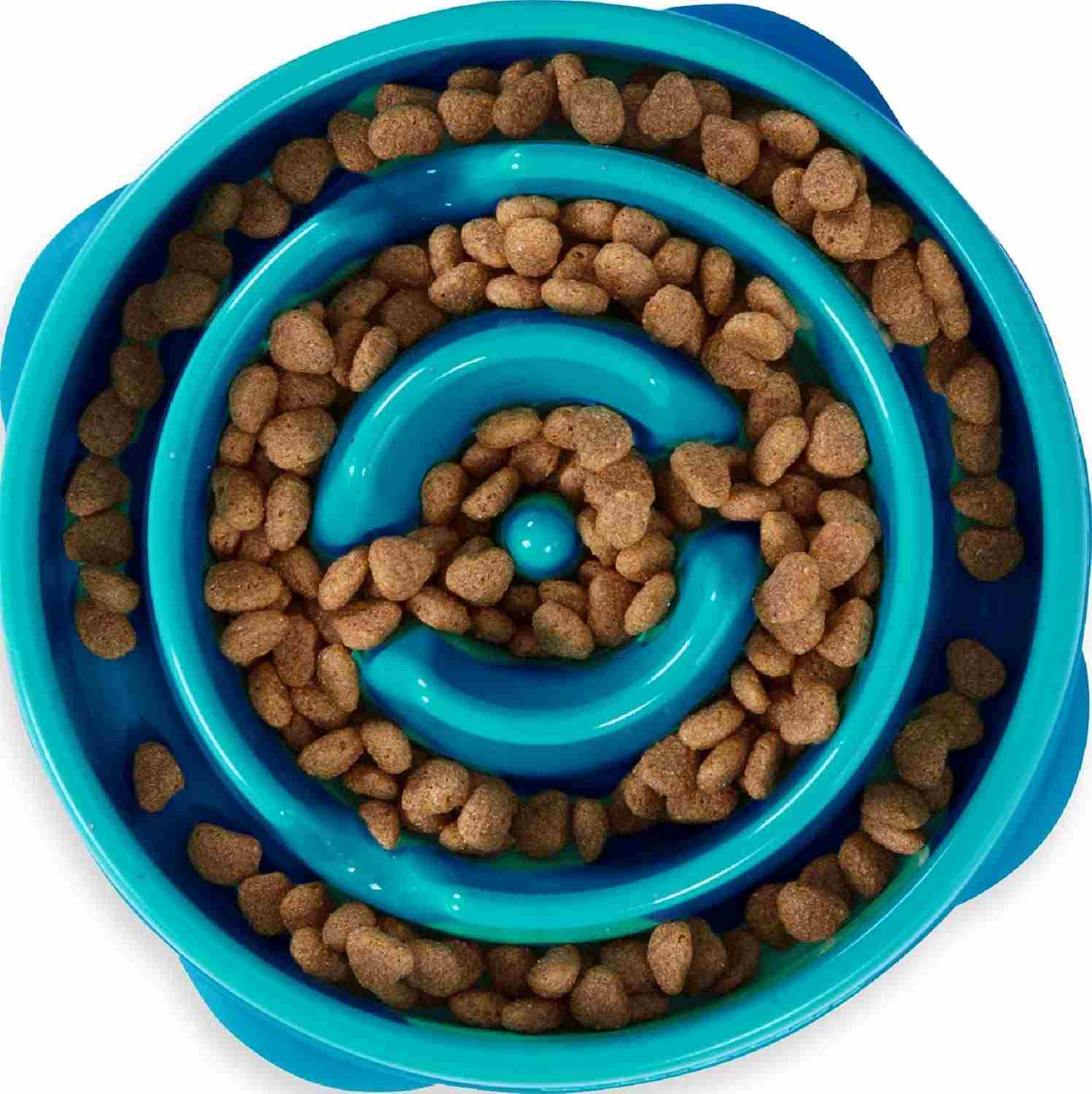
Outward Hound Slow Feeder
Crucial for preventing Bloat in deep-chested German Shepherds who eat too quickly.
View on Amazon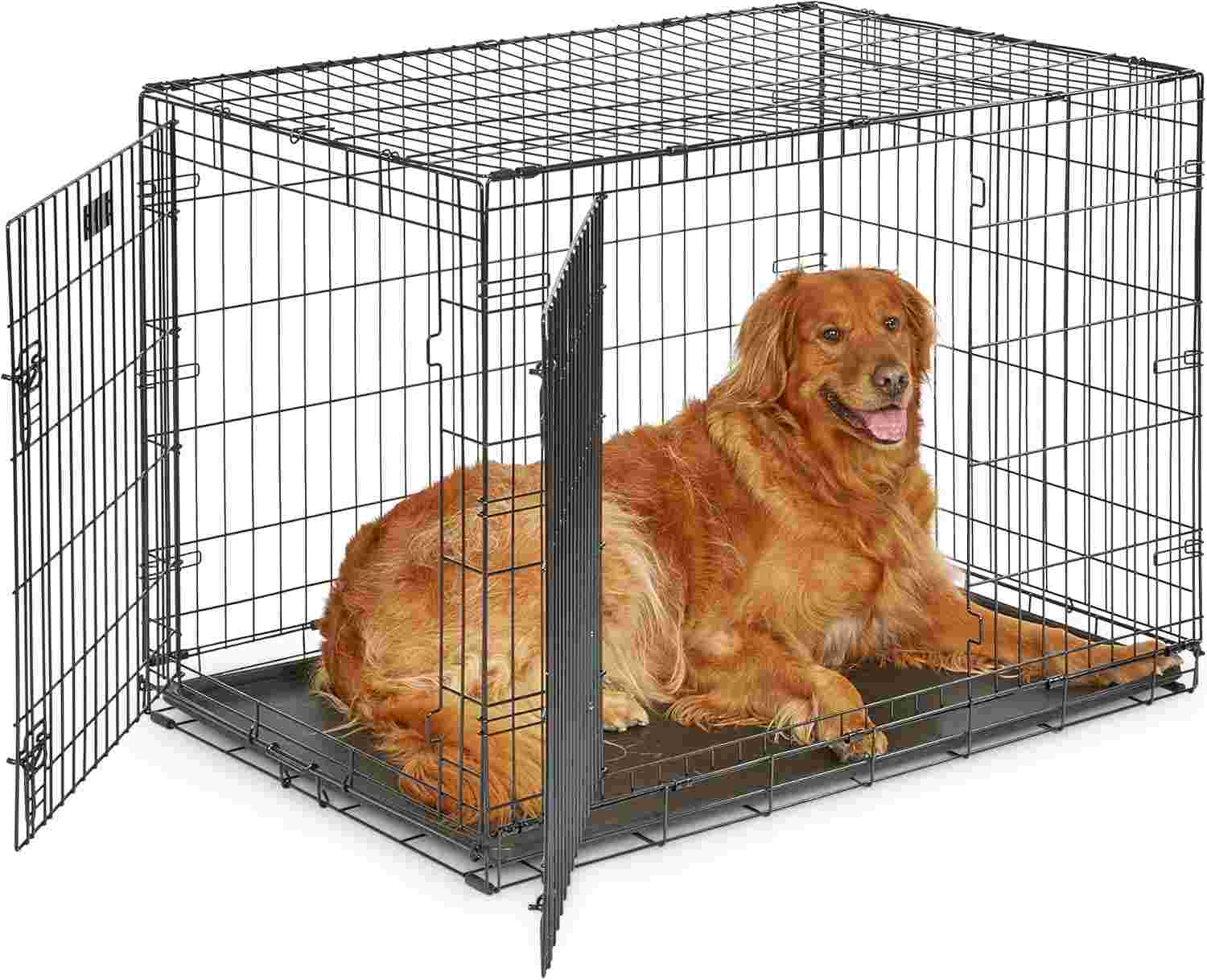
MidWest iCrate XXL
A heavy-duty, 48-inch crate required for safe housing of adult male working lines.
View on AmazonFrequently Asked Questions
How many types of German Shepherds are there?
While genetically they are all one breed, German Shepherds are generally divided into 5 major bloodlines (American Show, West German Show, West German Working, DDR Working, and Czech Working) and at least 8 to 11 distinct coat color variations.
What is the strongest German Shepherd bloodline?
The DDR (East German) working line is widely considered the strongest, thickest-boned, and most serious bloodline of the German Shepherd breed.
Which German Shepherd is best for police work?
The Czech Working Line and the West German Working Line are the preferred choices for modern police and detection work due to their elite prey drive, agility, and stamina.
Which type of GSD is best for families?
The American Show Line and the White German Shepherd are generally considered the best for families, as they have softer temperaments, lower working drives, and are highly affectionate companions.
Which German Shepherd is easiest to train?
Working lines (like the Sable West German Working dog) learn commands the fastest due to their intense focus and desire to work, but they require professional handling. For a novice owner, the American Show Line is often the easiest to manage.
Are black German Shepherds rare?
Yes, solid black German Shepherds are relatively rare. The solid black coat is caused by a recessive gene, meaning both parents must carry the gene to produce a solid black puppy.
What color German Shepherd is most expensive?
Rare coat variations like the Panda German Shepherd, Blue, or Liver are often sold for highly inflated prices by unethical “designer” breeders. However, a fully trained, elite working line Sable or Black/Tan adult can cost upwards of $20,000 to $50,000.
Which German Shepherd lives the longest?
Working line German Shepherds (Czech and DDR lines) with straight backs generally suffer from fewer structural joint issues than heavily sloped American Show lines, frequently allowing them to live longer, healthier lives up to 12 or 13 years.