
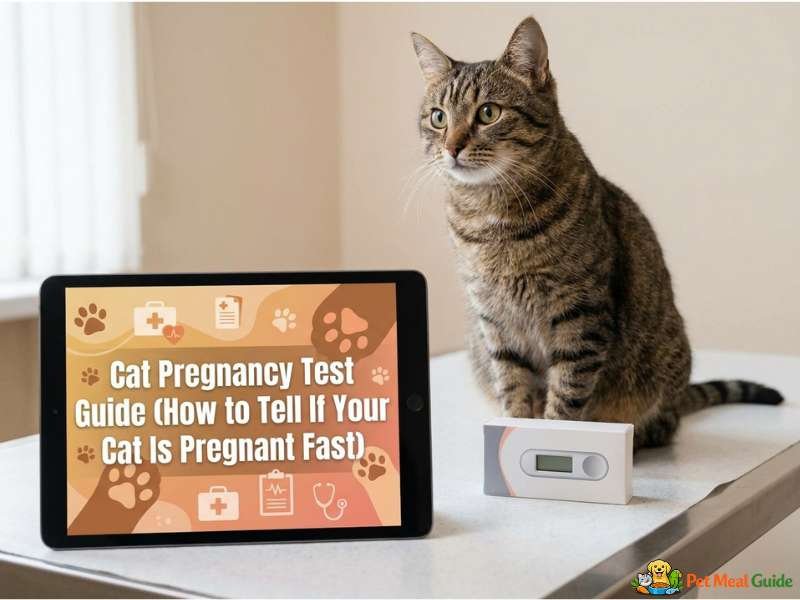
Cat Pregnancy Test Guide (How to Tell If Your Cat Is Pregnant Fast)
If you have an unspayed female cat that has recently had access to the outdoors, or if you are intentionally breeding felines, waiting to find out if she is expecting a litter can be incredibly nerve-wracking. You might be wondering if you can simply run to the local pharmacy, pick up a standard test, and get your answer in five minutes.
Understanding the truth about the cat pregnancy test is vital for the health and safety of your pet. Unlike humans, feline biology operates on an entirely different hormonal spectrum, which makes detecting a pregnancy slightly more complicated—but entirely possible if you know what signs and veterinary tools to look for.
In this comprehensive, vet-informed guide, we will answer whether can cats take pregnancy test kits, outline exactly how to tell if cat is pregnant through behavioral and physical symptoms, and detail the medically approved methods veterinarians use to confirm feline gestation.
📅 Expecting Kittens? Calculate the Exact Due Date!
A cat’s pregnancy is remarkably short. If you suspect your cat is pregnant or know the exact date of mating, don’t leave her due date to guesswork. Use our specialized veterinary algorithm to prepare for the big day.
👉 Use the Cat Pregnancy Calculator HereNo, there is no at-home urine pregnancy test for cats like there is for humans. Human pregnancy tests absolutely do NOT work on cats because felines do not produce the hormone (hCG) that human tests are designed to detect.
To confirm a cat is pregnant, you must rely on veterinary methods and physical symptoms:
- Different Hormones: Cats produce the hormone relaxin during pregnancy, which can only be detected via a specialized veterinary blood test.
- Veterinary Confirmation: Vets confirm pregnancy using ultrasounds (around day 16+), relaxin blood tests (day 25+), or X-rays (day 42+).
- Physical Symptoms: Early detection at home relies on noticing physical changes such as “pinking up” of the nipples, increased appetite, and a swelling abdomen.
Can Cats Take Pregnancy Tests? (The Truth About Home Kits)
One of the most frequent questions panicked pet owners ask search engines is: would a human pregnancy test work on a cat?
The short, definitive answer is no. If you hold a human pregnancy stick in your cat’s urine stream (which is incredibly difficult to do in the first place), the result will always be negative, regardless of whether she is pregnant with six kittens or none.
To understand why, we have to look at the biology of pregnancy hormones. When a human woman becomes pregnant, her body begins to rapidly produce a hormone called Human Chorionic Gonadotropin (hCG). This hormone is excreted through urine, and over-the-counter home pregnancy tests contain chemical strips specifically designed to react to hCG, turning the line pink or blue.
Felines, on the other hand, do not produce hCG. When a queen (an unspayed female cat) becomes pregnant, her body produces entirely different pregnancy hormones—most notably progesterone and relaxin. Because the chemical strips on a human test are completely blind to relaxin, asking can cats take pregnancy test kits designed for humans is a biological impossibility.
Related Pet Tools
Preparing for kittens requires more than just tracking dates. Explore our other free tools to ensure your pets thrive:
- 👉 Cat Feeding Schedule & Calculator
- 👉 Cat Weight Calorie Calculator
- 👉 Detailed Guide to Cat Pregnancy Signs
- 👉 Cat Pregnancy Test
Is There a Pregnancy Test for Cats?
Since human tests are out of the question, is there a cat pregnancy test that you can buy?
There are no over-the-counter, at-home urine tests available for feline pregnancies. However, there absolutely are clinical pregnancy tests for cats. They just require a trip to the veterinarian.
Veterinarians have access to specialized testing kits designed specifically for canine and feline gestation. If you are wondering are there cat pregnancy tests, the answer lies in the Relaxin Blood Test.
Relaxin is a hormone produced primarily by the developing placenta following the implantation of the embryos. Because the placenta must be somewhat developed to produce detectable levels of this hormone, a relaxin blood test cannot be performed the day after mating. A veterinarian will typically draw a small amount of blood from your cat on or after Day 25 of gestation. The blood is then tested using a specialized assay kit in the clinic, providing a highly accurate “yes” or “no” result.
How to Tell If a Cat Is Pregnant (Detailed Gestation Guide)
Because you cannot simply buy a test at the grocery store, learning how to tell if cat is pregnant relies heavily on your skills of observation. A cat’s gestation period (pregnancy) is very short, lasting only about 63 to 65 days (roughly 9 weeks).
If you want to know how to know if a cat is pregnant without immediate veterinary intervention, you need to watch for the progressive signs outlined below.
Early Signs of Feline Pregnancy (Weeks 1 to 3)
During the first three weeks, the fertilized eggs are traveling to the uterus and implanting. Physical changes are incredibly subtle during this phase.
- Cessation of Heat Cycles: Unspayed female cats typically go into heat every 2 to 3 weeks during the breeding season. If your usually vocal, affectionate, and restless cat suddenly stops displaying heat behaviors, pregnancy is a strong possibility.
- “Pinking Up” of the Nipples: Around week 3, the cat’s nipples will begin to enlarge and turn a rosy pink or red color. This is often the very first visual indicator of pregnancy. The hair around the nipples may also begin to recede to make room for nursing.
- Feline Morning Sickness: Much like humans, cats experience massive hormonal shifts. While less common than in humans, your cat may experience occasional vomiting or a temporary loss of appetite in the early weeks.
Mid-Pregnancy Signs (Weeks 4 to 6)
By the second month, the kittens are growing rapidly, and the pregnancy becomes much more obvious.
- Noticeable Weight Gain: Depending on the size of the litter, a pregnant cat will gain between 2 to 4 pounds over the course of her pregnancy. By week 5, her abdomen will noticeably swell and take on a distinct “burro” (donkey) shape when viewed from above.
- Increased Appetite: She is eating for multiple bodies now. Her appetite will surge significantly. This is the stage where veterinarians recommend slowly transitioning her to a high-quality kitten food, which contains the extra protein and calcium she needs.
- Behavioral Shifts: Hormones dictate behavior. Some previously aloof cats become incredibly affectionate and “clingy,” constantly seeking your attention. Conversely, some normally cuddly cats may become highly protective of their space and prefer isolation.
Late Pregnancy Signs (Weeks 7 to 9)
In the final stretch, the mother is preparing for the actual birth (known as queening).
- Nesting Behavior: About a week before delivery, the cat will begin searching for a quiet, dark, and safe place to give birth. She may drag blankets or clothing into closets, under beds, or behind sofas.
- Visible Fetal Movement: By week 7 or 8, if your cat is resting on her side, you can often see the kittens kicking and rolling beneath the skin of her abdomen.
- Milk Production: A few days prior to birth, her mammary glands will become very prominent, and she may leak small drops of milk or colostrum.
Feline Pregnancy Symptoms Chart
Use this timeline as a quick reference guide to track the progression of your cat’s potential pregnancy.
| Gestation Timeline | Primary Symptoms & Changes | Recommended Action |
|---|---|---|
| Weeks 1–2 | Heat cycle abruptly stops; mild behavioral changes. | Monitor behavior; keep cat indoors. |
| Week 3 | Nipples enlarge and turn bright pink (“Pinking Up”). | Schedule initial vet appointment for ultrasound. |
| Weeks 4–5 | Visible weight gain; abdomen swells; appetite increases. | Transition diet to high-calorie kitten food. |
| Weeks 6–7 | Kitten movement becomes visible; increased sleep. | Set up a quiet whelping (nesting) box in a safe room. |
| Weeks 8–9 | Nesting behavior begins; restlessness; milk leakage. | Prepare for birth; keep emergency vet number handy. |
Vet Approved Methods to Confirm Feline Pregnancy
While tracking feline pregnancy symptoms at home is helpful, a veterinary visit is absolutely essential. A vet does more than just say “yes” or “no”; they ensure the mother is healthy, check for complications, and estimate the litter size.
Here are the three scientifically proven methods your vet will use:
1. Ultrasound (Days 16+)
An abdominal ultrasound is the gold standard for early pregnancy detection. As early as day 16 (though more accurate around day 21), a vet can use sound waves to detect fetal heartbeats. Ultrasounds are completely painless, non-invasive, and confirm that the kittens are actually alive and developing. However, ultrasounds are notoriously bad at counting how many kittens there are, as the shadows often overlap.
2. Abdominal Palpation (Days 20 to 30)
An experienced veterinarian can gently press on the cat’s abdomen to feel for the developing embryos, which feel like small, distinct marbles spaced along the uterine horns. Do not attempt this at home. If you press too hard or in the wrong spot, you can severely damage the developing kittens or cause a miscarriage.
3. Radiograph / X-Ray (Days 42+)
Around day 42 to 45 of the pregnancy, the kittens’ skeletons begin to calcify (turn to bone). At this point, an X-ray is highly recommended. Not only does it confirm the pregnancy, but it allows the vet to count the exact number of skulls and spines. Knowing exactly how many kittens to expect is crucial during labor—if you know there are four kittens, and the mother stops pushing after delivering three, you know immediately that you have a medical emergency.
Estimating the Due Date (Important Resource)
If your vet has confirmed the pregnancy, or if you know the exact date your cat escaped outside, you need to start preparing your home for the arrival of the litter. Feline gestation is incredibly fast, and being caught off guard can lead to complications.
👉 Access the Cat Pregnancy Calculator Here
Essential Products for Pregnant & Nursing Cats
Preparing for a litter of kittens requires specific supplies. You need to create a safe, warm environment for the mother and have emergency supplies on hand just in case she struggles to nurse.
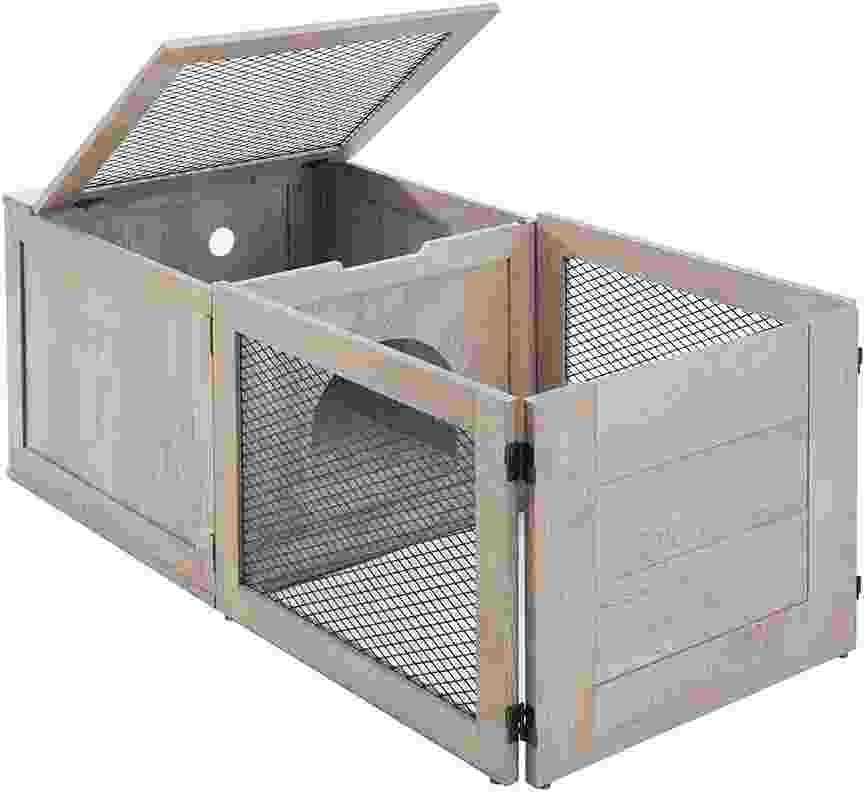
1. Pop-Up Pet Whelping Box (Nesting Tent)
A pregnant cat needs a dark, enclosed, and secure place to give birth. If she doesn’t feel safe, she will hide under your bed. This pop-up enclosure provides the perfect den.
- Zippered top for easy monitoring of kittens.
- Waterproof bottom protects your floors from fluids.
- Mesh windows provide excellent ventilation.

2. KMR Kitten Milk Replacer
This is an absolute must-have emergency item. Sometimes, a mother cat cannot produce enough milk, or she may reject a runt. You must have formula on hand to prevent starvation.
- Closely matches queen’s milk in protein and energy.
- Contains prebiotics for sensitive kitten stomachs.
- Easy to mix powder formula.
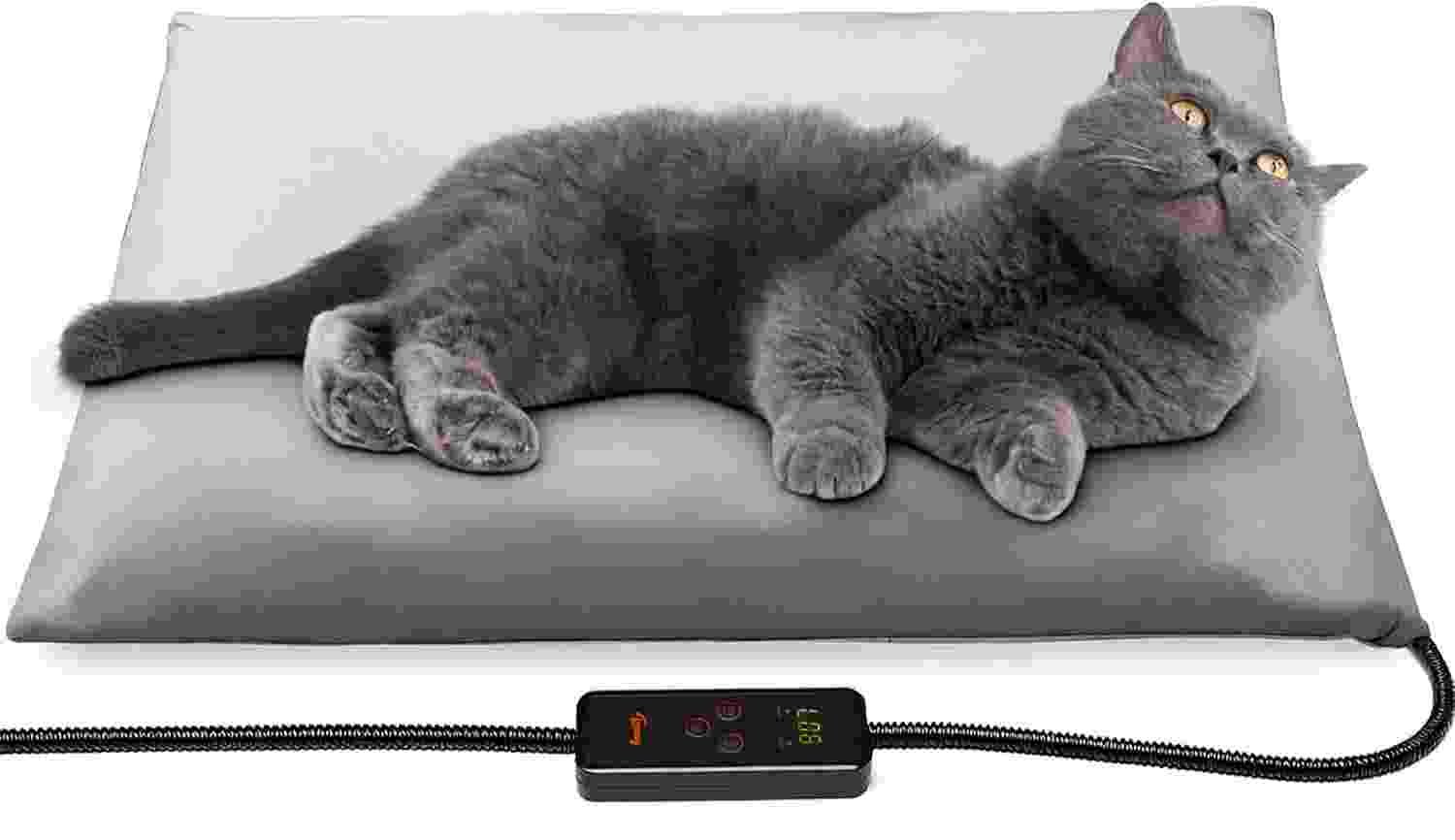
3. Chew-Resistant Pet Heating Pad
Newborn kittens cannot regulate their own body temperature for the first few weeks of life. If they wander away from their mother, they can easily freeze to death.
- Adjustable temperature settings designed specifically for pets.
- Steel-wrapped cord prevents chewing hazards.
- Waterproof PVC envelope protects against accidents.

4. Fast-Reading Digital Pet Thermometer
A mother cat’s body temperature will drop significantly about 24 hours before she goes into labor. Tracking her temperature is the best way to know when birth is imminent.
- Provides an accurate reading in under 10 seconds.
- Flexible tip ensures safety and comfort for the cat.
- Waterproof and easy to sanitize between uses.
Video Guide: Recognizing Cat Pregnancy Stages
For a visual breakdown of how a cat’s body transforms during the 9 weeks of gestation, and how to safely care for her, watch these veterinary-approved video guides.
Pro Tips from Vets for a Healthy Cat Pregnancy
Ensuring the mother is healthy directly impacts the survival rate of the kittens. Veterinary experts highly recommend the following protocols:
- Transition to Kitten Food: By week 4 of the pregnancy, the mother’s nutritional needs skyrocket. Adult cat food does not have enough calories or calcium. Slowly transition her to a high-quality kitten kibble and wet food, and allow her to free-feed (eat as much as she wants). Keep her on this diet until the kittens are fully weaned.
- Isolate from Other Pets: As the due date approaches, the mother will become highly protective and potentially aggressive toward other dogs or cats in the home. Give her a quiet, dedicated room where she feels safe.
- Keep Her Indoors: A pregnant cat that is allowed outside will likely find a hidden, inaccessible place to give birth (like under a shed or deep in a crawlspace). Keep her strictly indoors for the final 3 weeks of pregnancy.
- Beware of False Pregnancy: Felines can experience a condition called “Pseudopregnancy.” Hormonal imbalances can cause her nipples to swell, her belly to grow, and nesting behaviors to occur, even though there are no kittens. Only an ultrasound or X-ray can differentiate between true and false pregnancy.
Common Mistakes to Avoid
Other common pitfalls include:
- Skipping the X-Ray: Assuming you don’t need an X-ray because the cat “looks healthy.” If a kitten gets stuck in the birth canal and you don’t know there is another one inside, the mother will develop a fatal infection.
- Using Human Medications: Never give a pregnant cat over-the-counter pain relievers, flea treatments, or dewormers without explicit veterinary approval. Many common pet medications are highly toxic to developing fetuses.
- Intervening Too Much During Birth: Mother cats generally know exactly what to do. Unless a kitten is visibly stuck in the canal for more than 15 minutes, or the mother ignores a newborn in its amniotic sac, stand back and let nature take course.
Safety & Veterinary Disclaimer
Disclaimer: The information provided in this article is for educational and informational purposes only and is not intended as a substitute for professional veterinary advice, diagnosis, or treatment. Feline pregnancy carries inherent medical risks. Always consult with a licensed veterinarian regarding the health, diet, and medical care of your pregnant cat.
Frequently Asked Questions (FAQs)
No, cats cannot take human pregnancy tests. Human tests are chemically designed to react to the hormone hCG. Pregnant cats do not produce hCG; they produce a hormone called relaxin. Therefore, a human urine test will always show a false negative on a cat.
The only definitive way to confirm a cat is pregnant is through veterinary diagnostics. A vet can perform an ultrasound around day 16, a relaxin blood test around day 25, or a skeletal X-ray around day 42 of the gestation period.
The primary hormone used to detect feline pregnancy via blood tests is relaxin. This hormone is produced by the developing placenta after the embryos have successfully implanted in the uterine wall.
An experienced veterinarian using a high-quality ultrasound machine can detect the fetal sacs and heartbeats as early as 16 to 21 days after a successful mating.
A normal feline gestation period lasts between 63 and 65 days (roughly 9 weeks). You can estimate your cat’s exact due date using a cat pregnancy calculator.
If your cat’s nipples are swollen and pink but an ultrasound reveals no kittens, she is likely experiencing a “false pregnancy” (pseudopregnancy). This is a hormonal imbalance that tricks the cat’s body and brain into exhibiting physical and behavioral symptoms of pregnancy.