
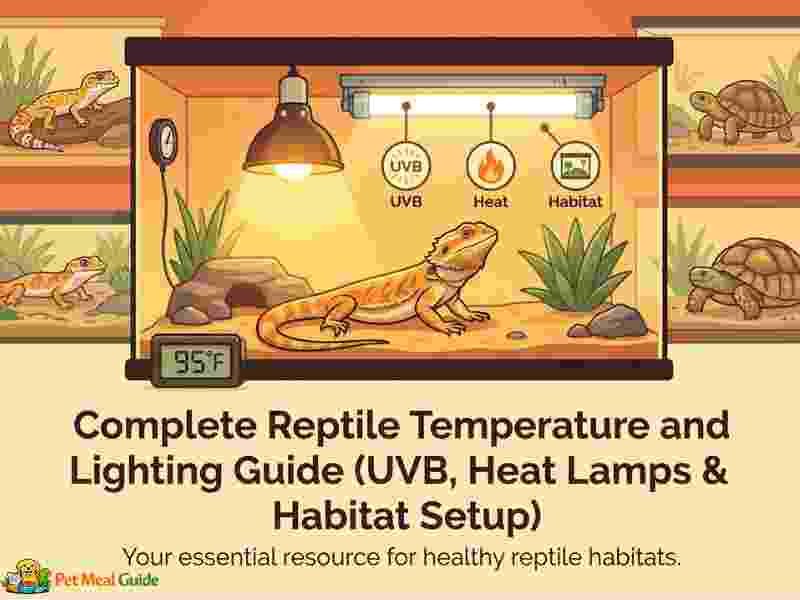
Reptile Temperature and Lighting Guide
Reptile Temperature and Lighting (Quick Answer)
Reptiles are ectothermic animals, meaning they rely entirely on external heat sources to regulate their body temperature. A proper reptile habitat must include a specialized setup to mimic their natural wild environment. Essential components include:
- A basking heat source such as an overhead incandescent heat lamp.
- A temperature gradient in the enclosure, allowing the reptile to move between a warm zone and a cool zone.
- UVB lighting for the natural synthesis of vitamin D3, critical for bone strength.
- Nighttime temperature regulation, often utilizing lightless ceramic heat emitters.
- Proper monitoring tools like digital thermometers and hygrometers.
Veterinary reptile specialists from the Association of Reptile and Amphibian Veterinarians (ARAV) strongly recommend using digital thermometers, automated thermostats, and species-appropriate UVB bulbs to maintain a stable environment. Proper thermal regulation directly supports vital biological functions including digestion, metabolism, and immune health.
Explore More Reptile Care Guides
Perfecting your lighting is just the first step in responsible reptile keeping. To ensure your pet thrives, you must pair their environment with a pristine diet. Expand your knowledge by exploring our related resources:
- Discover the best supplements to pair with UVB in our Reptile Nutrition Product Guide.
- Learn how digestion speeds change with heat in the Leopard Gecko Feeding Schedule.
- Ensure safe prey preparation with our complete Snake Feeding Guide.
- Balance greens and proteins perfectly using the Best Food for Bearded Dragons guide.
Why Temperature and Lighting Are Critical for Reptile Health
Unlike mammals, reptiles cannot generate their own internal body heat. They depend on environmental heat from the sun or heated surfaces to perform fundamental life processes. Environmental temperature directly controls a reptile’s:
- Metabolism: Energy conversion and growth rates.
- Digestion: Without adequate heat, food can literally rot in a reptile’s stomach, leading to fatal sepsis.
- Immune System Function: Proper heat allows reptiles to fight off bacterial and fungal infections.
- Activity Levels: Cold reptiles become lethargic and refuse to eat or drink.
Improper temperature or lighting is the leading cause of captive reptile mortality. It frequently causes severe health issues such as metabolic bone disease (MBD), poor appetite, lethargy, and a weakened immune system. Prominent animal welfare organizations, such as the Royal Society for the Prevention of Cruelty to Animals (RSPCA), strongly advise creating a natural temperature gradient within all reptile enclosures to allow for proper behavioral thermoregulation.
Understanding the Reptile Temperature Gradient
A temperature gradient is a vital setup technique where one side of the terrarium is heated, and the other side remains at room temperature. This allows the animal to heat up when necessary and cool down to prevent fatal overheating.
The Basking Area (Warm Side)
The basking area is the focal point directly under the heat lamp. This is the warmest part of the enclosure where reptiles actively absorb heat. Typical basking temperatures vary widely by species:
- Leopard gecko: 88–92°F (31–33°C)
- Bearded dragon: 95–105°F (35–40°C)
- Ball python: 90–95°F (32–35°C)
The Cool Side
The cool side provides a thermal refuge. It allows reptiles to lower their core temperature safely. Typical cool-side temperatures range from 75–85°F (24–29°C) depending on the species’ native habitat. A proper enclosure must be large enough to physically accommodate this temperature disparity.
Best Heating Equipment for Reptile Enclosures
There is a wide array of heating devices available to maintain proper terrarium temperatures. Using the correct combination guarantees your pet stays healthy and active. Common reptile heating options include basking heat lamps, ceramic heat emitters (CHEs), under-tank heaters (UTHs), and radiant heat panels (RHPs).
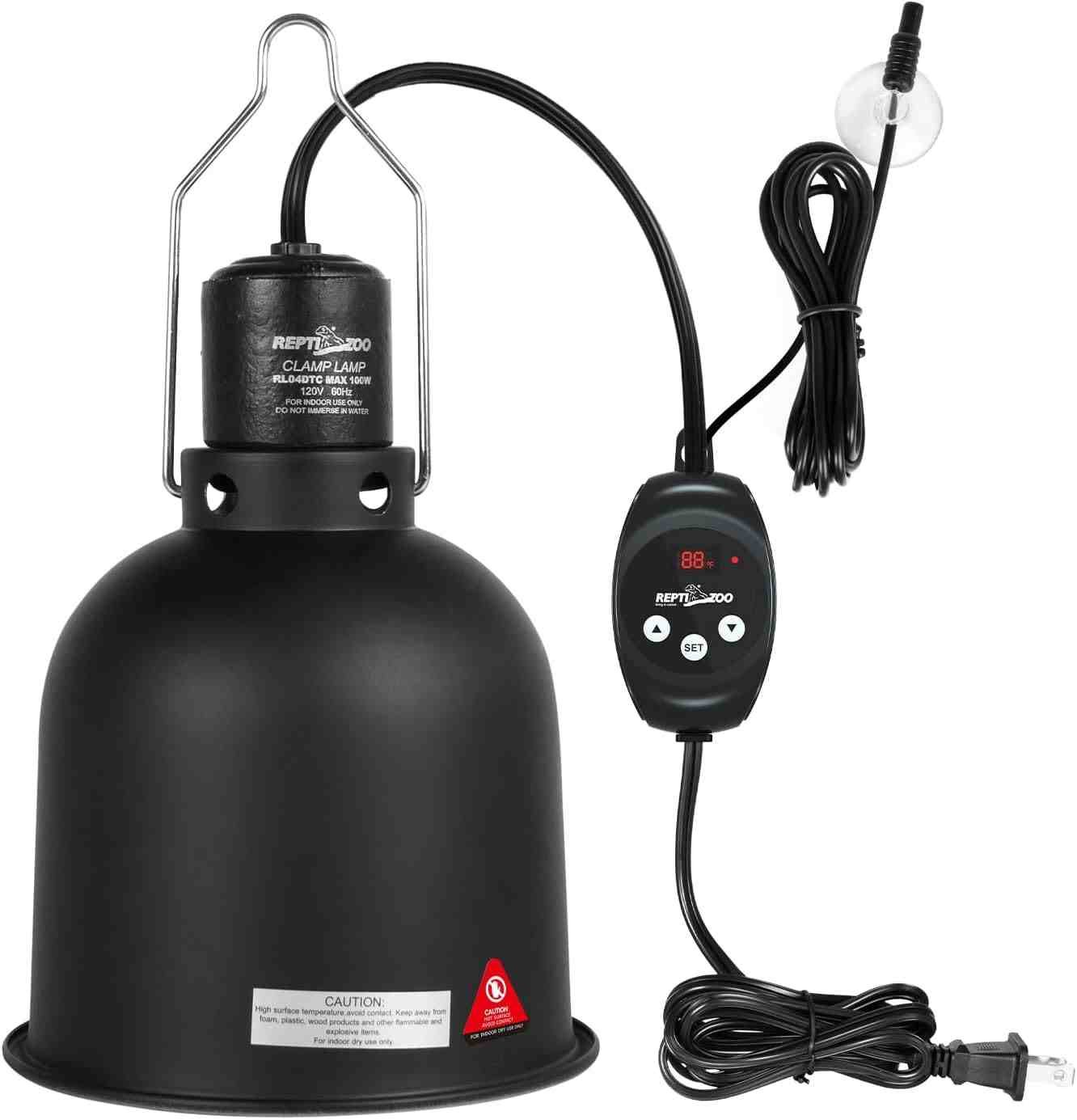
Reptile Basking Heat Lamp Kit
Adjustable dual-dome heat lamp fixture designed to provide consistent, deeply penetrating basking temperatures for diurnal reptiles.
Check Price on Amazon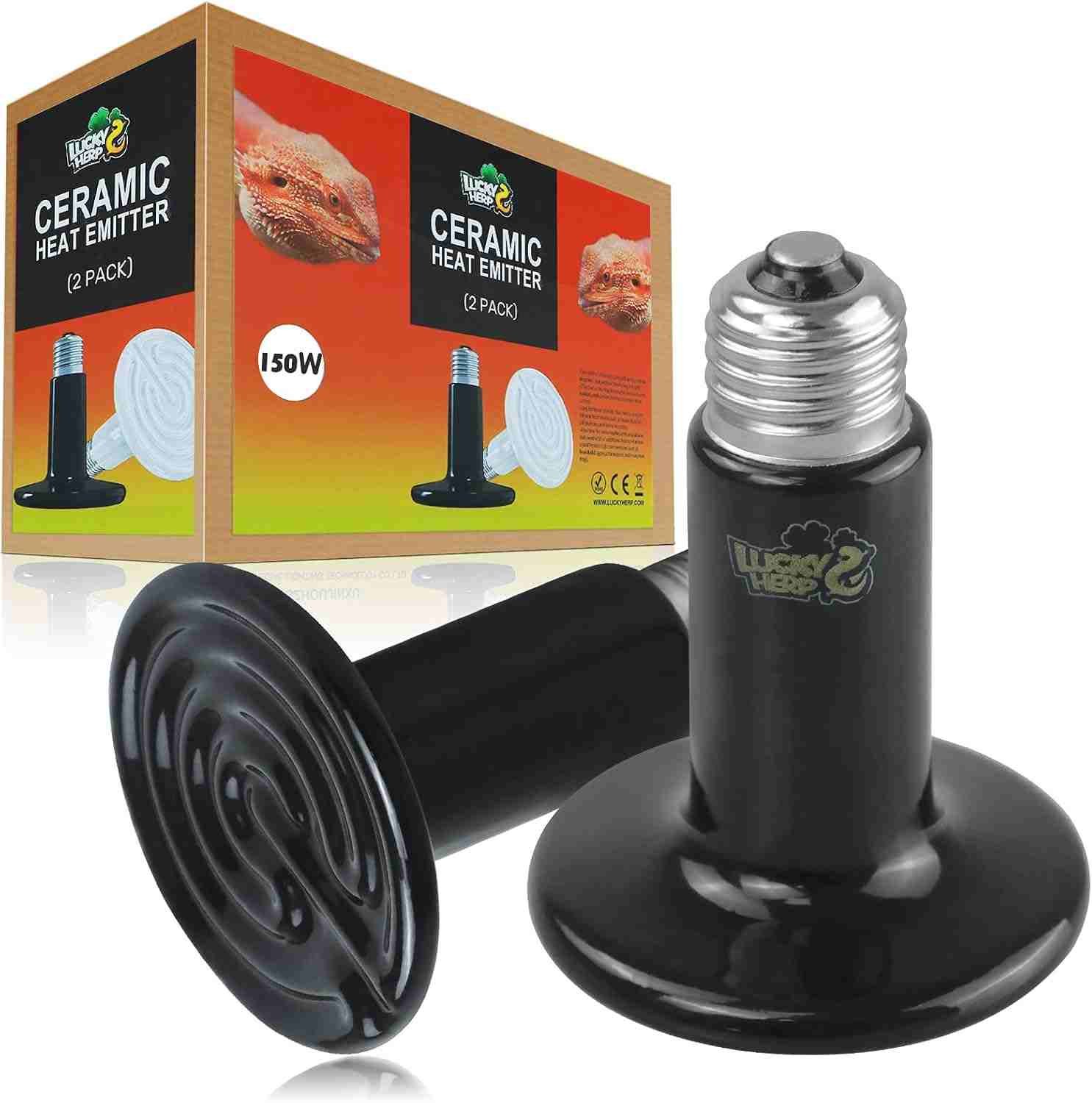
Ceramic Heat Emitter (CHE)
The perfect nighttime heat source. Produces powerful infrared warmth without emitting any visible light, protecting your reptile’s sleep cycle.
Buy Now on AmazonUVB Lighting for Reptiles (Why It Is Essential)
Heat alone is not enough. UVB lighting mimics the ultraviolet rays of the sun, allowing reptiles to synthesize vitamin D3 within their skin. Vitamin D3 is the biological “key” that allows a reptile’s intestines to absorb dietary calcium.
Without adequate UVB exposure, reptiles inevitably develop Metabolic Bone Disease, a painful condition that softens and warps their skeleton. This is frequently emphasized by veterinary reptile experts from the Association of Reptile and Amphibian Veterinarians. Types of UVB bulbs include compact UVB bulbs, linear fluorescent UVB tubes (highly recommended for their wide coverage), and mercury vapor bulbs.
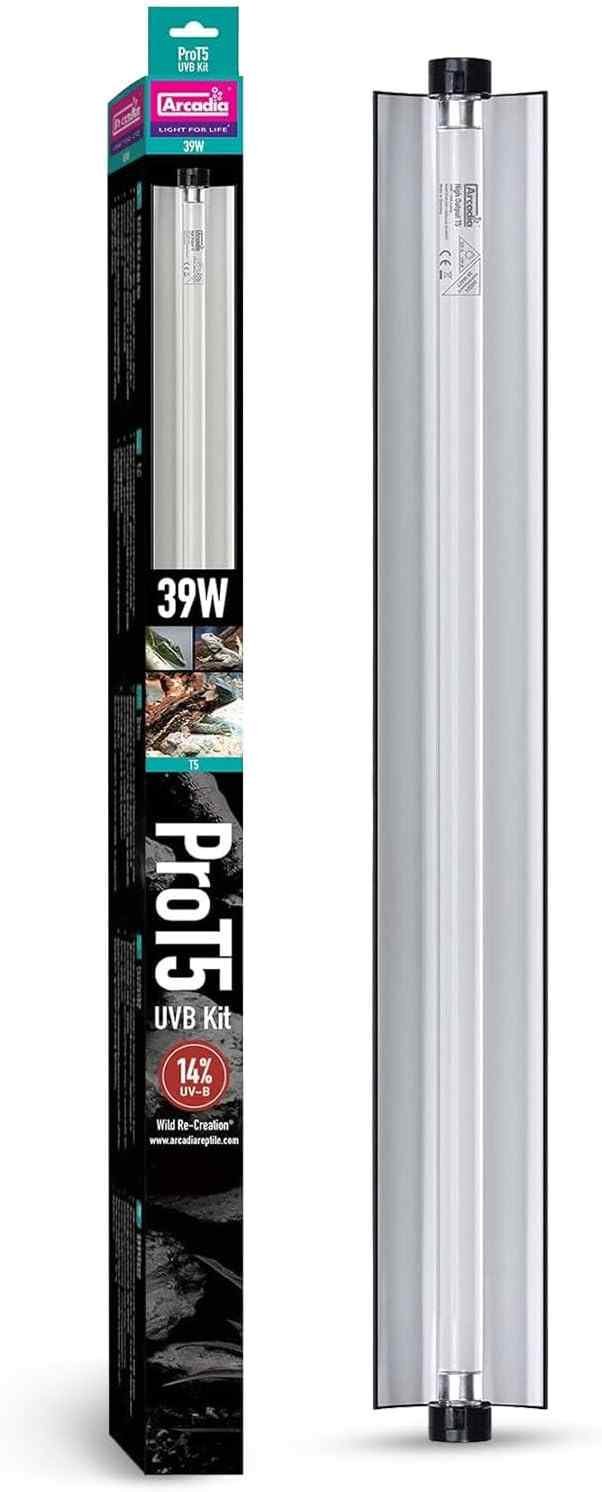
High-Output Reptile UVB Lighting Kit
Linear T5 HO UVB bulb and fixture designed for reptiles that require strong, reliable UV exposure across their entire habitat.
Check Price on AmazonDay and Night Lighting Cycle for Reptiles
Reptiles require a natural circadian rhythm to govern their feeding, breeding, and resting behaviors. A typical lighting schedule consists of 10 to 12 hours of light during the day, followed by complete darkness and a slight drop in temperature at night. Using automated outlet timers is the easiest way to ensure consistency in lighting schedules without manual daily adjustments.
Temperature and Lighting Chart for Popular Pet Reptiles
Below is a baseline reference guide for setting up the habitats of the most commonly kept pet reptiles.
| Reptile Species | Basking Temp | Cool Side Temp | UVB Requirement |
|---|---|---|---|
| Leopard Gecko | 88–92°F | 75–80°F | Low (ShadeDweller) |
| Bearded Dragon | 95–105°F | 80–85°F | High (10% to 14%) |
| Crested Gecko | 80–85°F | 70–75°F | Low / Minimal |
| Ball Python | 90–95°F | 75–80°F | Minimal / Optional |
Tools to Monitor Reptile Temperature and Lighting
Never rely on “feel” or cheap analog stick-on dials. Monitoring equipment is the only way to ensure stable, safe habitat conditions. Recommended tools include digital thermometers with probes, infrared temperature guns (for instant surface reading), reptile thermostats (to prevent overheating), and hygrometers for humidity tracking.
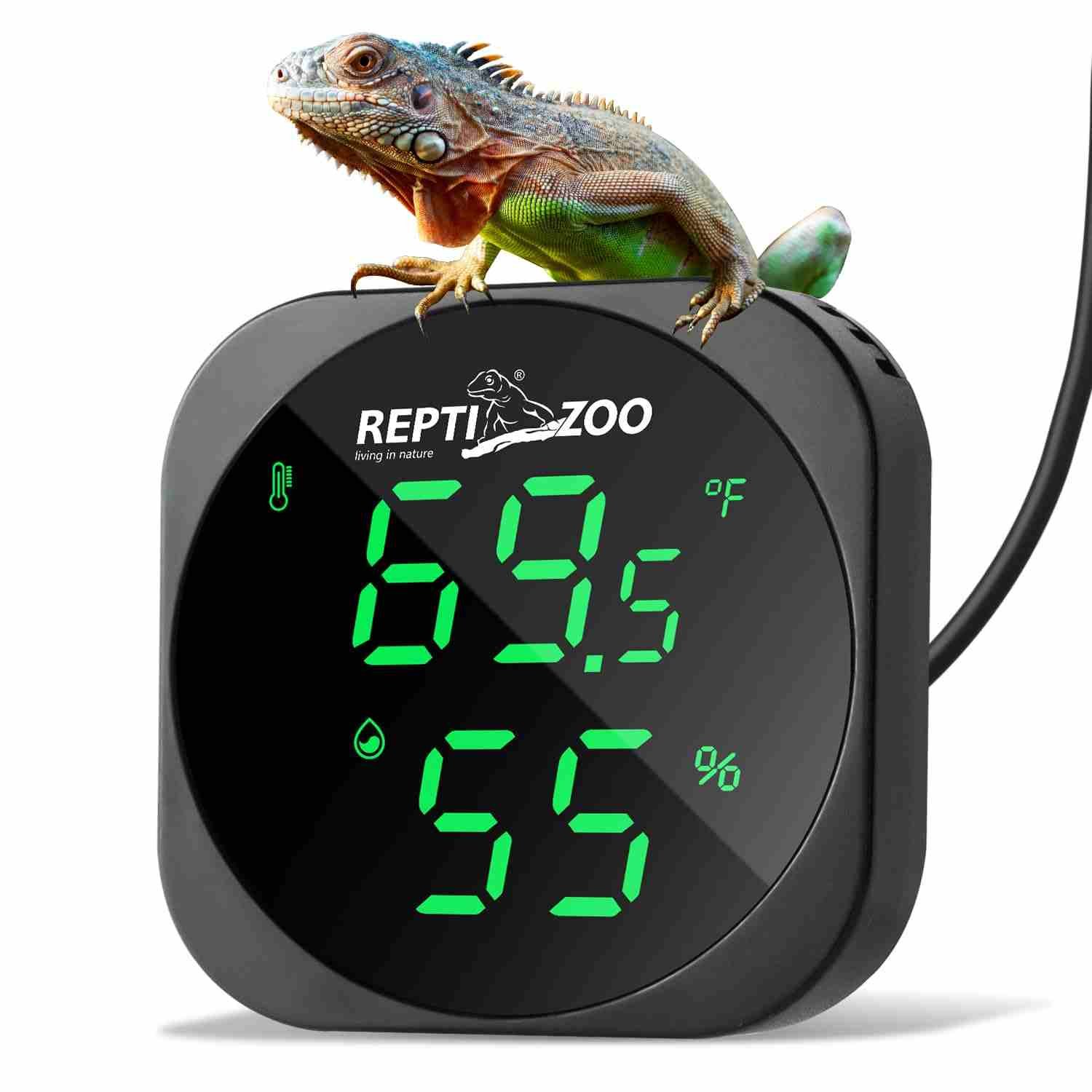
Digital Reptile Thermometer & Hygrometer
Highly accurate, dual-probe device for actively monitoring both the ambient enclosure temperature and humidity levels from outside the tank.
Check Price on AmazonCommon Reptile Heating and Lighting Mistakes
Many reptile health emergencies stem directly from incorrect enclosure setups. Avoid these common pitfalls:
- No temperature gradient: Placing a heat mat across the entire floor prevents the reptile from cooling down.
- Incorrect UVB placement: UVB rays cannot penetrate glass or thick plastic. Bulbs must be placed over an open screen mesh.
- Overheating enclosures: Using high-wattage bulbs without a connected thermostat can literally cook a reptile.
- Not replacing UVB bulbs: UVB bulbs stop emitting UV light long before they burn out. They must be replaced every 6 to 12 months.
The American Society for the Prevention of Cruelty to Animals (ASPCA) strongly recommends checking reptile enclosure temperatures and equipment function on a daily basis.
Pro Tips for Perfect Reptile Habitat Setup
- Always place two digital thermometers in the tank: one securely on the hot side and one on the cool side.
- Mark your calendar the day you install a UVB bulb so you remember to replace it in 6–12 months.
- Plug all heating devices (mats, emitters) into an automated reptile thermostat to eliminate the risk of fire or overheating.
- Ensure the enclosure contains ample clutter (branches, hides) so reptiles can safely move between warm and cool zones without feeling exposed.
Helpful Video Guide: Reptile Heating and Lighting Setup
For a complete visual walkthrough of positioning lights and wiring thermostats, check out this comprehensive guide:
Frequently Asked Questions (FAQs)
Most reptile enclosures require a carefully monitored temperature gradient between 75°F and 105°F, depending entirely on the specific species. Desert species like bearded dragons require basking spots over 100°F, while tropical species like crested geckos prefer ambient temperatures around 80°F.
Yes, the vast majority of reptiles require UVB lighting. UVB allows their skin to produce vitamin D3, which is biologically necessary for the body to absorb calcium from their diet. Without it, reptiles develop fatal bone diseases.
To maintain a healthy circadian rhythm, most captive reptiles need 10 to 12 hours of daylight provided by their heat and UVB lamps, followed by complete darkness at night to allow for proper rest.
No. Most reptiles are ectothermic and strictly require external heat sources to regulate their core body temperature, digest their food, and maintain a functional immune system. Without heat, a reptile will quickly deteriorate and die.