
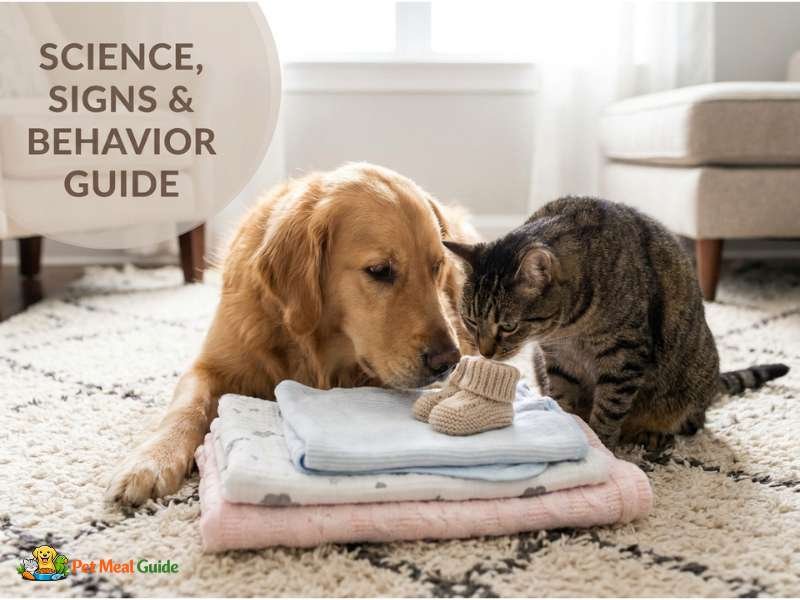
Do cats and dogs react to pregnancy changes?
One of the most incredible phenomena reported by expectant mothers worldwide is a sudden, inexplicable change in the behavior of their furry companions. You might notice your previously independent tabby cat suddenly refusing to leave your lap, or your normally hyperactive golden retriever acting as a gentle, unwavering bodyguard. This universal experience leaves many families wondering: can cats and dogs sense pregnancy?
The short answer is a resounding yes. Our pets possess biological tools that are vastly superior to human senses. While they might not cognitively understand the concept of a human baby growing in the womb, their profound olfactory (smelling) capabilities and deep emotional intelligence allow them to detect that a major, fundamental change is occurring within your body and your home.
In this comprehensive, science-backed guide, we will explore exactly how and why our pets detect pregnancy, what cat pregnancy signs and dog behaviors to look out for, and how you can safely prepare your household for the arrival of a newborn. We will also touch on what happens when the roles are reversed—identifying early cat pregnancy symptoms and confirming them with a cat pregnancy test if your feline is the one expecting!
Yes, cats and dogs can absolutely sense pregnancy. While they may not comprehend that a baby is arriving, their highly advanced senses allow them to detect profound changes in your body.
Here is how they do it:
- Smell Detection: Pets possess up to 300 million olfactory receptors. They can easily smell the dramatic hormonal shifts in a pregnant woman, including spikes in hCG, estrogen, and progesterone.
- Behavioral Awareness: Pets are acute observers of routine. They notice changes in your gait, sleep patterns, emotional state, and body language long before a baby bump is visible.
- Physical Changes: Many dogs and cats can hear the fetal heartbeat in the later stages of pregnancy and sense changes in a pregnant person’s body temperature.
📅 Estimate Your Cat’s Exact Due Date!
Are you wondering how long is a cats pregnancy? The typical cat gestation period is remarkably short, lasting only 63 to 65 days. Don’t leave your cat’s health to guesswork!
👉 Use the Cat Pregnancy Calculator HereThe Science: Do Cats and Dogs React to Pregnancy Changes?
To truly understand how pets detect pregnancy, we have to look at the world through their noses. Humans experience the world primarily through sight. Cats and dogs, however, experience the world predominantly through scent. A dog’s sense of smell is estimated to be between 10,000 and 100,000 times more sensitive than ours, while a cat’s sense of smell is roughly 14 times stronger than a human’s.
When a person becomes pregnant, their body undergoes a massive chemical transformation. Hormones such as Human Chorionic Gonadotropin (hCG), progesterone, and estrogen flood the bloodstream. These hormonal shifts alter the pregnant person’s natural body odor. While these changes are completely imperceptible to a human partner, to a dog or cat, you suddenly smell entirely different.
Beyond olfaction, pets are masters of reading human behavior. Pregnant individuals often change their daily routines. They may sleep more, walk differently to accommodate changing gravity, or experience mood swings. Cats and dogs are creatures of strict habit. The moment your routine shifts—even slightly—their internal alarm bells ring. They know something significant is happening in their environment.
Can Dogs Sense Pregnancy? (A Detailed Look)
If you are specifically researching can dogs sense pregnancy, the canine response is fascinatingly documented. Dogs have a specialized olfactory organ called the vomeronasal organ (or Jacobson’s organ), located at the bottom of their nasal passage. This organ is dedicated entirely to detecting pheromones—the chemical signals emitted by humans and other animals.
Because dogs are pack animals, they are deeply attuned to the vulnerability of their pack members. When a woman is pregnant, a dog’s natural protective instincts often kick into overdrive. You may find your dog constantly following you from room to room, resting their head gently on your growing belly, or barking defensively if strangers approach you on walks.
However, this intense bonding behavior can sometimes manifest as anxiety. Dogs thrive on predictability. If your scent is changing, the furniture in the nursery is being moved, and your emotional state is fluctuating, a dog may become stressed. They might begin pacing, whining, or seeking constant reassurance. According to resources from PetMD, establishing strict routines early on is crucial for managing this canine anxiety.
Do Cats Know When You’re Pregnant?
Many people assume cats are too independent to care about human biology, but do cats know when you’re pregnant? Absolutely. While they may express it differently than dogs, felines are incredibly sensitive to environmental and physiological changes in their owners.
Cats are highly territorial and hyper-aware of changes within their home space. Much like dogs, cats possess a vomeronasal organ. When a pregnant owner’s pheromones shift, the cat will undoubtedly investigate. Because a pregnant woman’s basal body temperature tends to run slightly higher, many cats—who are notorious heat-seekers—will suddenly find their pregnant owner to be the best, warmest bed in the house.
This increased attachment behavior is incredibly common. A normally aloof cat might start purring loudly against your stomach, kneading your lap more frequently, or following you into the bathroom. Conversely, if a cat feels threatened by the impending disruption to their environment (such as the sudden appearance of cribs and baby gear), they might exhibit signs of stress, such as hiding, over-grooming, or inappropriate urination. Maintaining a calm environment is heavily recommended by the ASPCA.
Signs Your Pet Knows You Are Pregnant
How can you tell if your pet has figured out your secret? While every animal reacts differently, there are a few universal behavioral indicators that your pet is acutely aware of your pregnancy.
1. Increased Attention and Clinginess: The most commonly reported sign is the “Velcro pet.” Your dog or cat may refuse to leave your side, insisting on sitting on your lap, sleeping against your stomach, and following you into every room of the house.
2. Extreme Protectiveness: Your dog may position themselves between you and other people, or sit at your feet facing outward. They may become more vocal when the doorbell rings or act defensively if other animals approach you at the park.
3. Anxiety or Distance: Not all pets react with cuddles. Some pets are deeply unsettled by the changes in your scent and routine. They may act aloof, hide under furniture, or seem mildly depressed. This is their way of coping with a shifting environment that they don’t fully understand.
What If Your Pet Is the One Expecting? (Early Cat Pregnancy Symptoms)
While discussing how pets react to human pregnancy is fascinating, what happens when the roles are reversed? If you have an unspayed female cat that has had access to the outdoors, you might be desperately searching for early cat pregnancy symptoms.
Detecting cat pregnancy signs requires a keen eye. One of the very first early signs of cat pregnancy occurs around week three of gestation. This is known as “pinking up.” The cat’s nipples will become enlarged, swollen, and turn a rosy pink or bright red color. Shortly after this, you will notice a significant halt in her heat cycles. If she usually yowls and acts restless every few weeks, and suddenly stops, pregnancy is highly likely.
As the pregnancy progresses, you will notice physical and behavioral shifts. Her appetite will increase dramatically, as she requires immense energy to grow the kittens. Her abdomen will begin to swell, taking on a firm, rounded shape. Much like a human, she may experience mild “morning sickness,” displaying brief bouts of lethargy or vomiting. Understanding the signs of pregnancy of cats is critical so you can transition her to a high-calorie kitten food to support her nutritional needs.
Cat Pregnancy Signs Timeline
To help you track your feline’s gestation, here is a detailed breakdown of what to expect week by week.
| Gestation Week | Physical & Behavioral Symptoms |
|---|---|
| Weeks 1–2 | Heat cycles cease. Minimal physical changes. Slight lethargy. |
| Week 3 | “Pinking up” occurs. Nipples enlarge and turn bright pink. |
| Weeks 4–5 | Abdomen begins to noticeably swell. Appetite surges significantly. |
| Weeks 6–7 | Fetal movement is visible under the skin. Increased need for sleep. |
| Weeks 8–9 | Nesting behavior begins. Restlessness. Mammary glands fill with milk. |
How Pets React to Pregnancy (The Scientific View)
Returning to human pregnancy, how do we scientifically explain the intense bond pets form with pregnant owners? It all comes down to a mixture of endocrinology and ethology (animal behavior science).
When humans are pregnant, they produce higher levels of oxytocin—often called the “love hormone.” Interestingly, studies have shown that dogs can also experience spikes in oxytocin when gazing into the eyes of their bonded humans. This mutual hormonal loop creates an environment of intense, empathetic connection. For a deep, clinical understanding of animal gestation and endocrinology, veterinary professionals often reference clinical texts like those found in the Merck Veterinary Manual on Pregnancy and Parturition.
Furthermore, as a woman’s body physically changes, her center of gravity shifts. Her gait becomes wider, and her movements may become slower and more deliberate. Pets, who communicate primarily through body language, read these changes instantly. They recognize that their owner is in a vulnerable physical state and adapt their behavior to be more accommodating and protective.
Preparing Your Dog or Cat for a Baby
While it is sweet that your pet knows you are pregnant, the actual arrival of a crying, unpredictable infant can be a massive shock to their system. Preparing your pet months in advance is essential for a smooth transition.
1. Gradual Environmental Changes: Do not wait until the baby comes home to set up the nursery. Build the crib, set up the swing, and introduce baby lotions and powders to the house months in advance. Let your pet sniff these items so they become normalized. During this transition period, it’s also important to maintain proper feeding and care routines for your pets. You can follow a dog feeding schedule to keep your dog calm and consistent, refer to a kitten feeding chart for growing cats, and understand signs of feline health changes with a cat pregnancy test guide if applicable.
2. Audio Desensitization: Play sounds of babies crying, cooing, and screaming on your phone at low volumes while feeding your pet treats. Gradually increase the volume over the weeks. This prevents the pet from panicking when the real baby starts crying.
3. Establish New Boundaries: If the baby’s room will be off-limits to the cat or dog, install gates and enforce the rule before the baby arrives. You do not want the pet to associate the baby with sudden isolation or punishment.
Do Pets Sense Labor?
As you approach your due date, you may wonder if your pet will know when the actual event is happening. Many anecdotal reports suggest that pets can indeed sense impending labor.
Before labor begins, a woman’s body releases a distinct surge of hormones, and her scent changes drastically once again. Furthermore, the woman may experience Braxton Hicks contractions, changes in breathing patterns, and increased anxiety. Pets, particularly dogs, pick up on these micro-expressions of pain and stress instantly.
You may notice your pet refusing to leave your side, whining, pacing, or acting unusually alert in the 24 to 48 hours leading up to labor. They are reacting to your physical discomfort and the distinct chemical pheromones of human stress.
Essential Products for Pet and Baby Safety
To ensure a harmonious household, here are the top-rated products recommended by veterinarians and behaviorists for preparing your home.

1. Extra Tall Walk-Through Pet Gate
Essential for establishing boundaries. Keep curious dogs out of the nursery while allowing you easy, hands-free access when carrying a newborn.
- Pressure mounted to protect your walls.
- Auto-close door feature for convenience.
- Durable steel design prevents chewing.
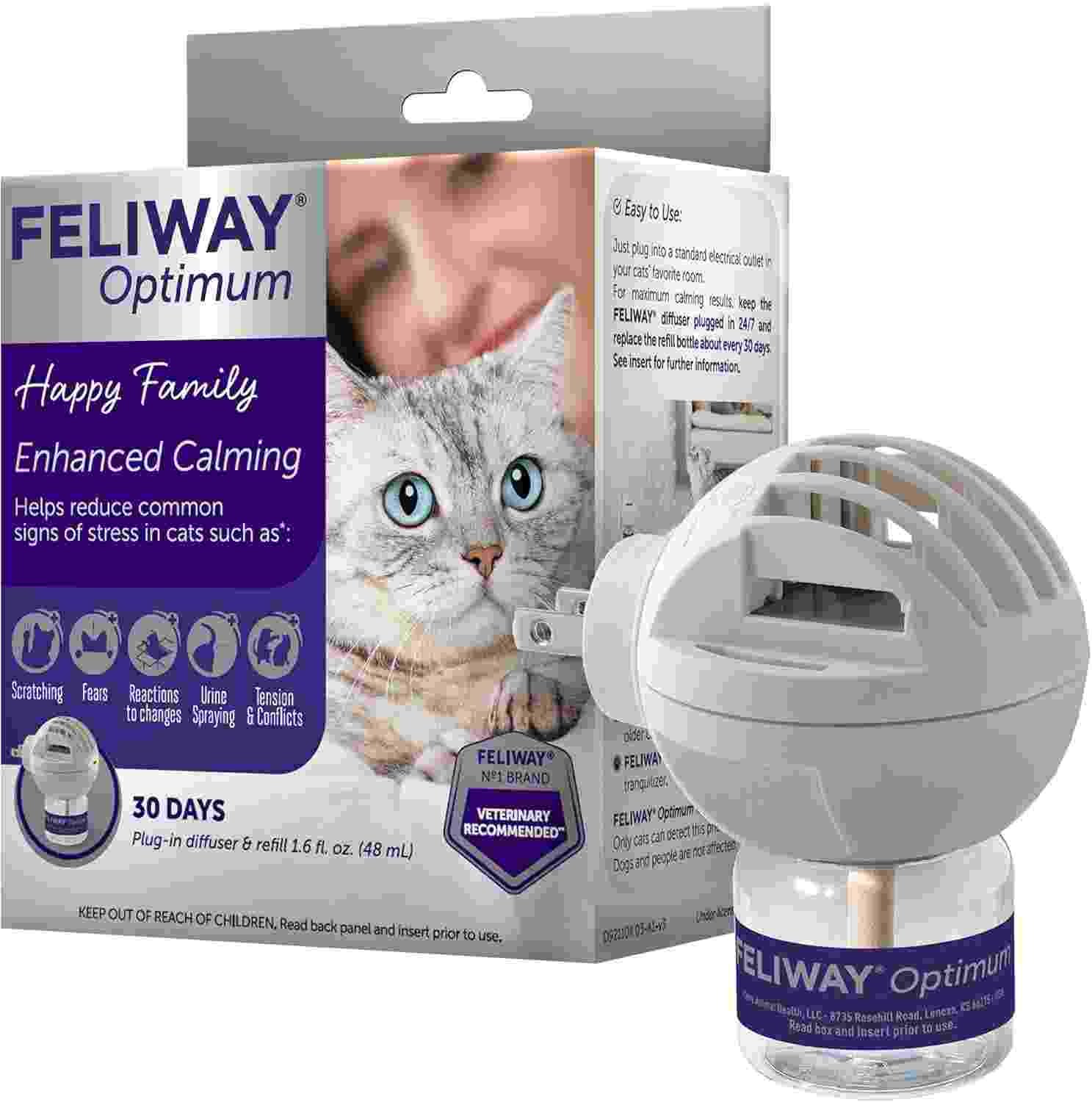
2. Feliway & Adaptil Calming Diffusers
These plug-in diffusers release synthetic, odorless pheromones that mimic the natural soothing signals emitted by mother cats and dogs. Highly effective for reducing baby-related anxiety.
- Clinically proven to reduce hiding and scratching.
- Drug-free and completely safe around infants.
- Covers up to 700 square feet per diffuser.

3. Positive Reinforcement Training Kit
Brush up on your dog’s obedience skills before the baby arrives. A strong “leave it” and “go to place” command is critical for infant safety.
- Ergonomic clickers for precise timing.
- Includes a treat pouch for hands-free training.
- Helps establish clear boundaries peacefully.
Pro Tips from Veterinary Experts
To navigate the transition successfully, keep these expert-level tips in mind:
- Bring a Blanket Home: When the baby is born, have your partner bring a swaddle blanket that the baby has worn home from the hospital before you are discharged. Allow the pets to sniff it thoroughly. This introduces the baby’s scent in a controlled, non-threatening manner.
- Do Not Punish Growling: If a dog or cat growls at the baby, do not yell at them. Growling is a warning sign that they are uncomfortable. If you punish the growl, the pet may skip the warning next time and go straight to a bite. Simply remove the pet from the situation and consult a behaviorist.
- Maintain Routine: Pets act out when they are ignored. Even though you are exhausted with a newborn, ensure your pet still gets their daily walk, playtime, and regular feeding schedule.
Common Myths About Pets and Pregnancy
There is a lot of misinformation online regarding pets and babies. Let’s debunk the most common myths:
- Myth: Pets “understand pregnancy fully.” While they sense physical and hormonal changes, a dog or cat does not possess the cognitive ability to understand that a human child is growing inside you. They just know that you are different and require protection.
- Myth: Pets will “always react positively” to the baby. Many social media videos show dogs gently kissing newborns. While sweet, this is not a guarantee. Many pets are terrified of the loud, erratic movements of a baby. Never leave a baby unsupervised with a pet, regardless of how friendly the animal is.
- Myth: You must get rid of your cat because of Toxoplasmosis. You do not need to rehome your cat. Simply have another family member change the litter box, or wear gloves and a mask and wash your hands thoroughly afterward. Indoor-only cats fed a commercial diet have an extremely low risk of carrying the parasite.
Frequently Asked Questions (FAQs)
Yes, dogs can sense pregnancy incredibly early, often before the woman herself even takes a positive pregnancy test. They detect the sudden surge in hCG and progesterone through their highly sensitive olfactory glands.
Absolutely. Cats often become much more affectionate, clingy, and protective. Because a pregnant woman’s body temperature rises slightly, cats may also seek out the pregnant belly as a warm place to sleep.
Many pets seem to sense impending labor. They pick up on the specific hormonal shifts, changes in your breathing pattern, and signs of physical discomfort and anxiety. They may pace, whine, or refuse to leave your side in the hours before labor begins.
If your feline is the one expecting, look for early signs such as the cessation of heat cycles, the “pinking up” (enlarging and reddening) of the nipples around week 3, increased appetite, and visible weight gain.
Dogs do not experience jealousy in the complex human sense, but they do experience resource guarding and stress from a lack of attention. Maintaining their routine and providing positive reinforcement when they are calm around the baby will prevent negative behaviors.