
Early Cat Pregnancy Symptoms (Complete Guide for Cat Owners)
Early cat pregnancy symptoms usually appear within the first 2–3 weeks after mating. The most common signs include:
- Pink and enlarged nipples (“pinking up”)
- Mild weight gain
- Increased appetite or occasional vomiting
- More affectionate or withdrawn behavior
- Slight abdominal swelling
If you notice these signs, your cat may be pregnant, but confirmation from a vet is always recommended.
📊 Use Helpful Tools to Confirm Pregnancy
Before diving deeper, you can estimate your cat’s stage using our specialized veterinary-based tools. These help you understand your cat’s reproductive stage and expected timeline, especially if you’re unsure about mating dates.
What Are Early Cat Pregnancy Symptoms?
Early cat pregnancy symptoms can be subtle, especially during the first couple of weeks. Many cat owners miss these signs because they can look similar to normal behavior changes.
During the early stage, your cat’s body begins hormonal changes that prepare for kitten development. These internal changes slowly start showing physical and behavioral signs.
Most importantly, these symptoms do not appear all at once. Instead, they develop gradually, which is why careful observation is key. If you’re unsure, this detailed guide on how to tell if a cat is pregnant can help you confirm early signs.
Early Pregnancy Signs in Cats (Week 1–3)
The first few weeks are the most important for identifying pregnancy. This is when the earliest visible symptoms begin to appear.
One of the most noticeable early signs is nipple enlargement. Around the third week, the nipples become pinker and slightly swollen. This is often called “pinking up.”
Some cats may also experience mild nausea, similar to morning sickness in humans. You might notice reduced appetite for a short time, followed by increased hunger. Behavior changes are also common. Your cat may become more affectionate, seek more attention, or in some cases, become quiet and withdrawn.
Physical Changes During Early Cat Pregnancy
Physical changes in early pregnancy are usually mild but noticeable if you pay attention.
Weight gain starts slowly. It may not be obvious in the first two weeks, but by week three, you might see a slight increase. The abdomen may begin to feel firmer, although it’s still too early for a visible belly. Avoid pressing or touching the stomach too much, as it can harm developing kittens.
Another subtle change is coat condition. Some cats develop a shinier coat due to hormonal shifts, while others may groom more frequently.
Behavioral Changes in Pregnant Cats
Behavior is one of the strongest indicators of early pregnancy.
Many cats become more affectionate and clingy. They may follow you around, sit closer, or demand more attention than usual. On the other hand, some cats become more reserved. They may hide more often or prefer quiet spaces.
These behavior changes are linked to hormonal fluctuations. Interestingly, similar changes are discussed in this guide on can cats and dogs sense pregnancy, where animals react to hormonal shifts.
How Long Are Cats Pregnant?
Understanding pregnancy duration helps you track symptoms better.
Cats are typically pregnant for about 63–65 days (around 9 weeks). However, it can range from 58 to 70 days depending on the cat. If you want a full breakdown, read this guide on how long is a cat’s pregnancy.
Knowing the timeline helps you identify whether your cat is in early, mid, or late pregnancy.
Cat Pregnancy Stages Explained
Cat pregnancy is divided into three main stages. Here is what to expect during each trimester:
| Pregnancy Stage | Timeline | Key Developments & Symptoms |
|---|---|---|
| Early Stage | Weeks 1–3 | Fertilization and implantation occur. Mild symptoms begin, such as “pinking up” and hormonal behavioral shifts. |
| Mid Stage | Weeks 4–6 | Belly becomes visibly rounded. Appetite increases significantly. Kittens develop rapidly inside the womb. |
| Final Stage | Weeks 7–9 | Nesting behavior starts. Visible kitten movement under the skin. Preparation and restlessness before labor. |
Mid-Pregnancy Symptoms (What Comes Next)
After early symptoms, the changes become more obvious. The belly starts to expand, and weight gain becomes more noticeable. Your cat will likely eat more and require higher-quality food.
You may also notice reduced activity levels. Cats often rest more as pregnancy progresses. At this stage, it’s important to shift to proper nutrition. Many owners look for high-protein options like best kitten food for pregnant cats to support growth.

High-Protein Kitten Food
Perfect for pregnant queens. Provides the extra calories, calcium, and nutrients needed for healthy fetal development.
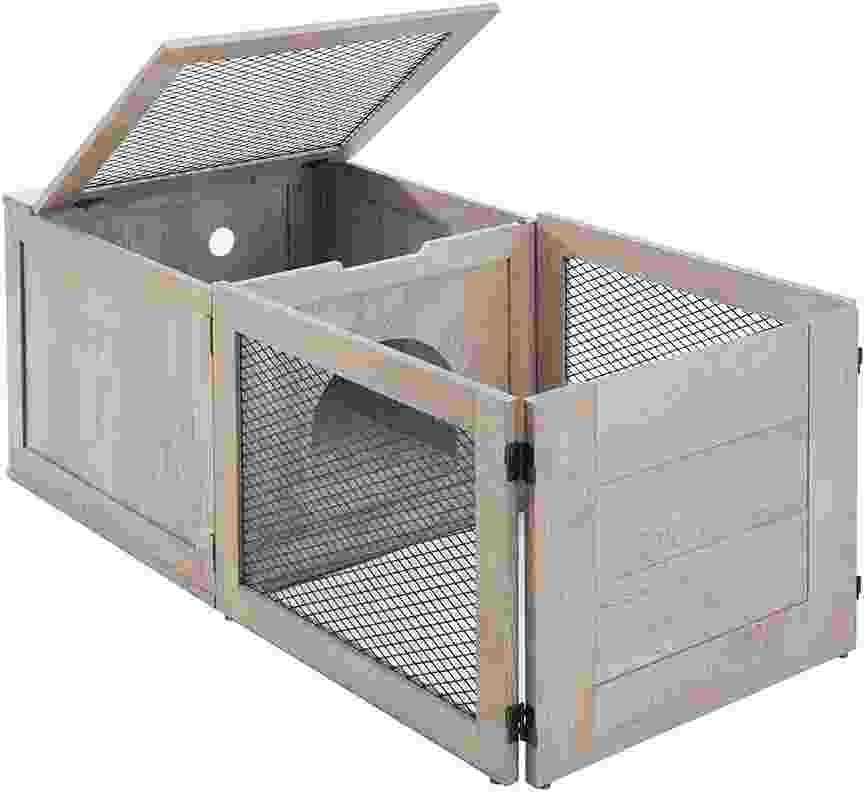
Pop-up Nesting / Whelping Box
Give your cat a safe, dark, and secure place to give birth away from the chaos of the household.

Waterproof Pet Blankets
Essential for lining the birthing box to keep the mother and newborn kittens dry and comfortable.
Final Stage Pregnancy Signs
As your cat approaches labor, several clear signs appear. Nesting behavior becomes common. Your cat may look for quiet, warm places to give birth.
You may also notice restlessness, vocalization, or pacing. Appetite may drop slightly before labor begins. Body temperature can also decrease slightly before delivery, signaling that kittens are coming soon.
Labor and Birth Signs
Labor usually begins around week 9. Your cat may become very restless and start grooming excessively, especially around the belly area.
Contractions begin, and you may see your cat lying on her side or breathing heavily. It’s important to provide a calm, safe environment during this time. Avoid disturbing your cat unless necessary.
What To Do If Your Cat Is Pregnant
If you suspect pregnancy, the first step is confirming it. A vet can confirm pregnancy through palpation, ultrasound, or X-ray after a certain stage.
You can also explore a cat pregnancy test guide to understand confirmation methods.
Once confirmed:
- Provide a quiet, safe space
- Improve nutrition
- Schedule regular vet checkups
Tips for Taking Care of a Pregnant Cat
Caring for a pregnant cat requires attention and consistency. Feed a balanced, high-protein diet. Pregnant cats need more calories and nutrients.
Keep fresh water available at all times. Hydration is critical for healthy development. Prepare a nesting area early so your cat feels safe when labor begins.
After birth, use a proper feeding plan like this kitten feeding chart to care for newborns.
Pregnant Cat Care Tips for Beginners
If this is your first time handling a pregnant cat, keep things simple. Avoid stress and loud environments. Cats need calm surroundings during pregnancy.
Do not give medications without vet approval. Some drugs can harm kittens. Monitor your cat daily but avoid excessive handling, especially of the abdomen.
What Is the Best Food for Pregnant Cats?
Nutrition plays a huge role in healthy pregnancy. Look for high-protein, nutrient-rich food designed for kittens or pregnant cats.
Wet food can help with hydration, while dry food supports calorie intake. Balanced nutrition ensures proper growth of kittens and keeps the mother healthy.
When Can Cats Get Pregnant?
Cats can become pregnant as early as 4–6 months of age. This is why spaying is important if you want to prevent unwanted pregnancies. Understanding reproductive age helps you manage your cat’s health better.
How to Prevent Cat Pregnancy
If you do not want kittens, prevention is essential. Spaying is the most effective method. It not only prevents pregnancy but also improves overall health.
Keep female cats indoors during heat cycles to avoid mating. Avoid contact with male cats if pregnancy is not desired.
Common Mistakes to Avoid
Many cat owners make simple mistakes during early pregnancy.
- Ignoring early symptoms can delay proper care. Always pay attention to small changes.
- Overfeeding too early can cause unnecessary weight gain. Follow a balanced diet plan.
- Skipping vet visits can lead to complications that could have been prevented.
Pro Tips from Experts
Experienced pet owners and vets suggest a few key practices. Track your cat’s behavior daily. Small changes often reveal important signs.
Keep a record of symptoms and possible mating dates. This helps estimate due dates. Always prepare in advance for birth. Having supplies ready makes the process easier.
Frequently Asked Questions (FAQ)
You can notice early signs within 2–3 weeks, especially nipple changes (“pinking up”) and behavior shifts like increased affection or lethargy.
Yes, they may become more affectionate and clingy, or conversely, more withdrawn and protective depending on their individual personality.
You can observe physical and behavioral signs, but there is no at-home urine test for cats. Only a vet can confirm pregnancy accurately via ultrasound or X-ray.
The sudden stopping of the heat cycle followed by the “pinking up” of the nipples is usually the earliest and most reliable visible sign.
Final Verdict on Cat Pregnancy Care
Early cat pregnancy symptoms are subtle but important. Recognizing them early helps ensure proper care and a healthy pregnancy.
From behavior changes to physical signs, every detail matters. With the right knowledge, tools, and care, you can support your cat through every stage. Always remember—when in doubt, consult a veterinarian for the safest guidance.
📂 Bonus Resources for Cat Owners
👉 Interactive Cat Pregnancy Symptom Checker Tool 👉 Downloadable Pregnancy Care PDF GuideDisclaimer: This content is for informational purposes only and should not replace professional veterinary advice. Always consult a licensed veterinarian for diagnosis and treatment of your pets.