
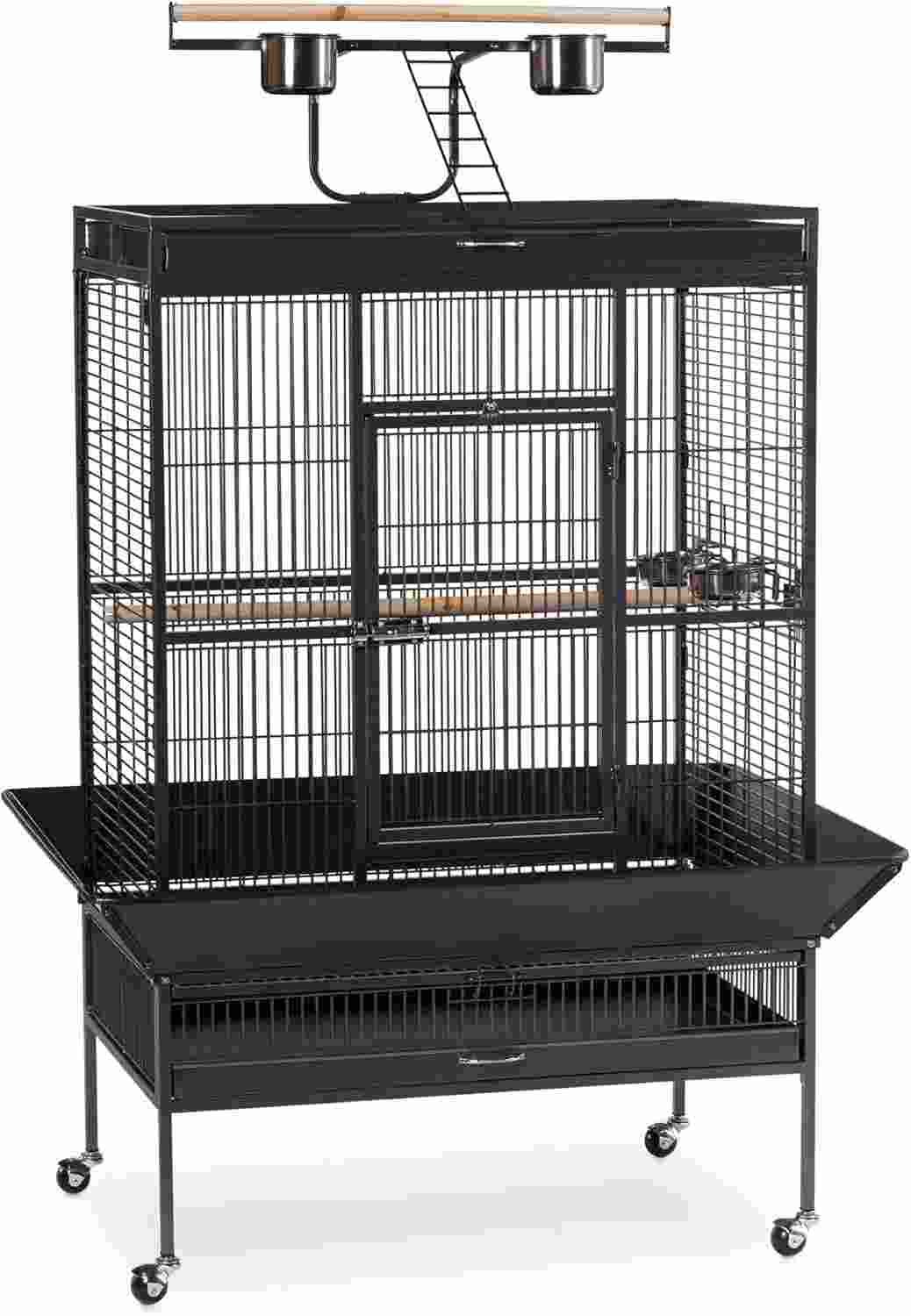
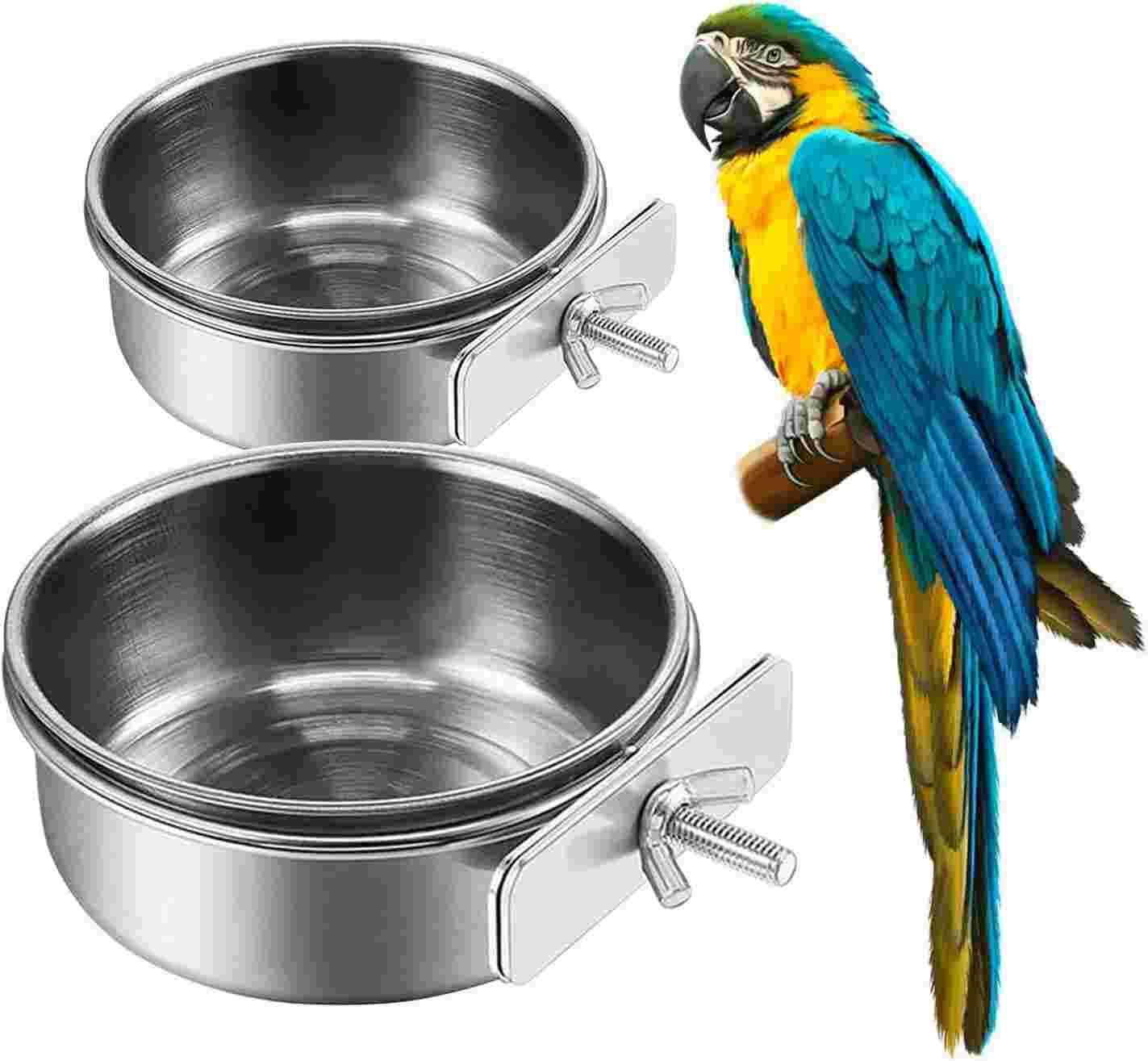
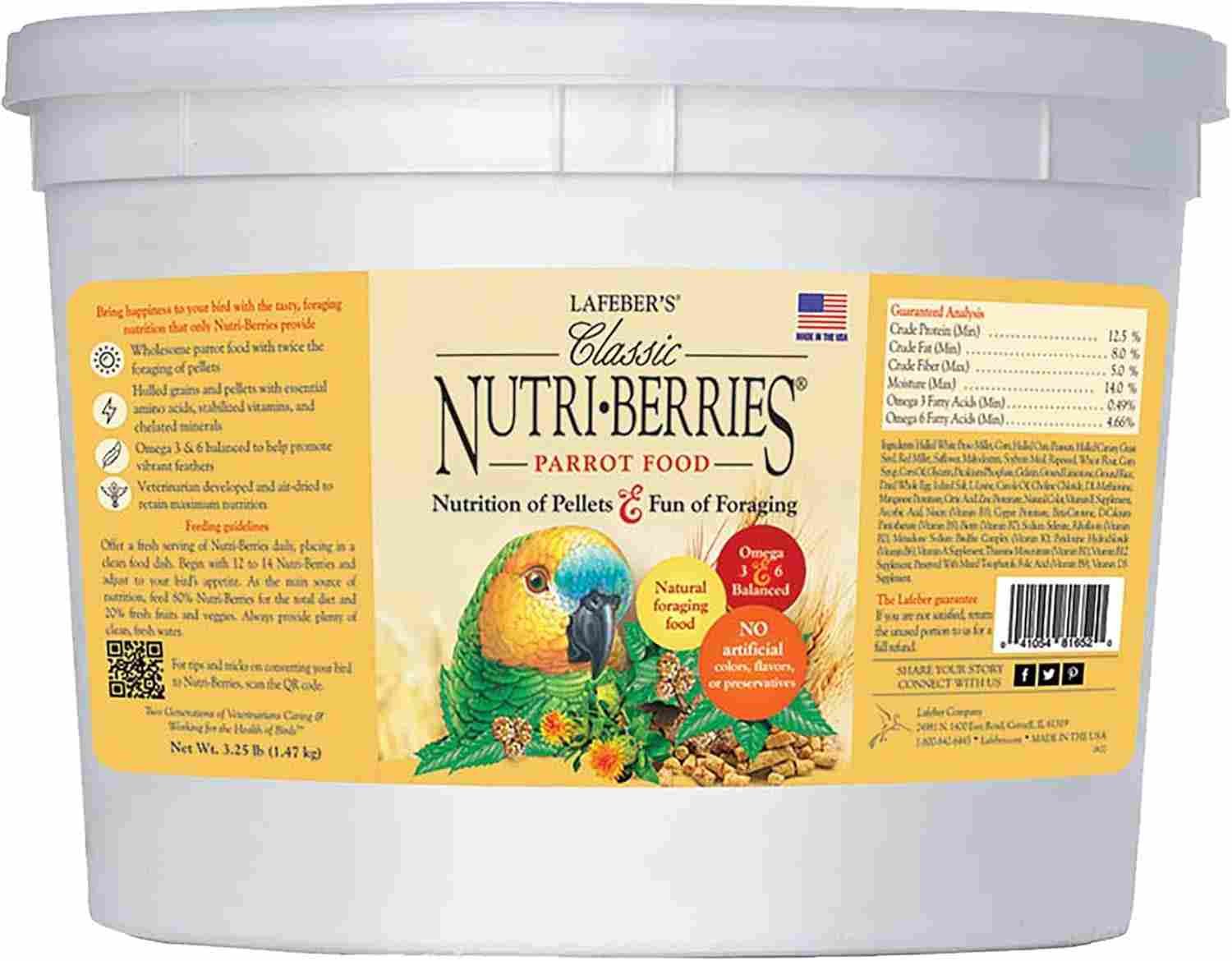
🛒 Featured Cockatoo Cage & Feeding Setup
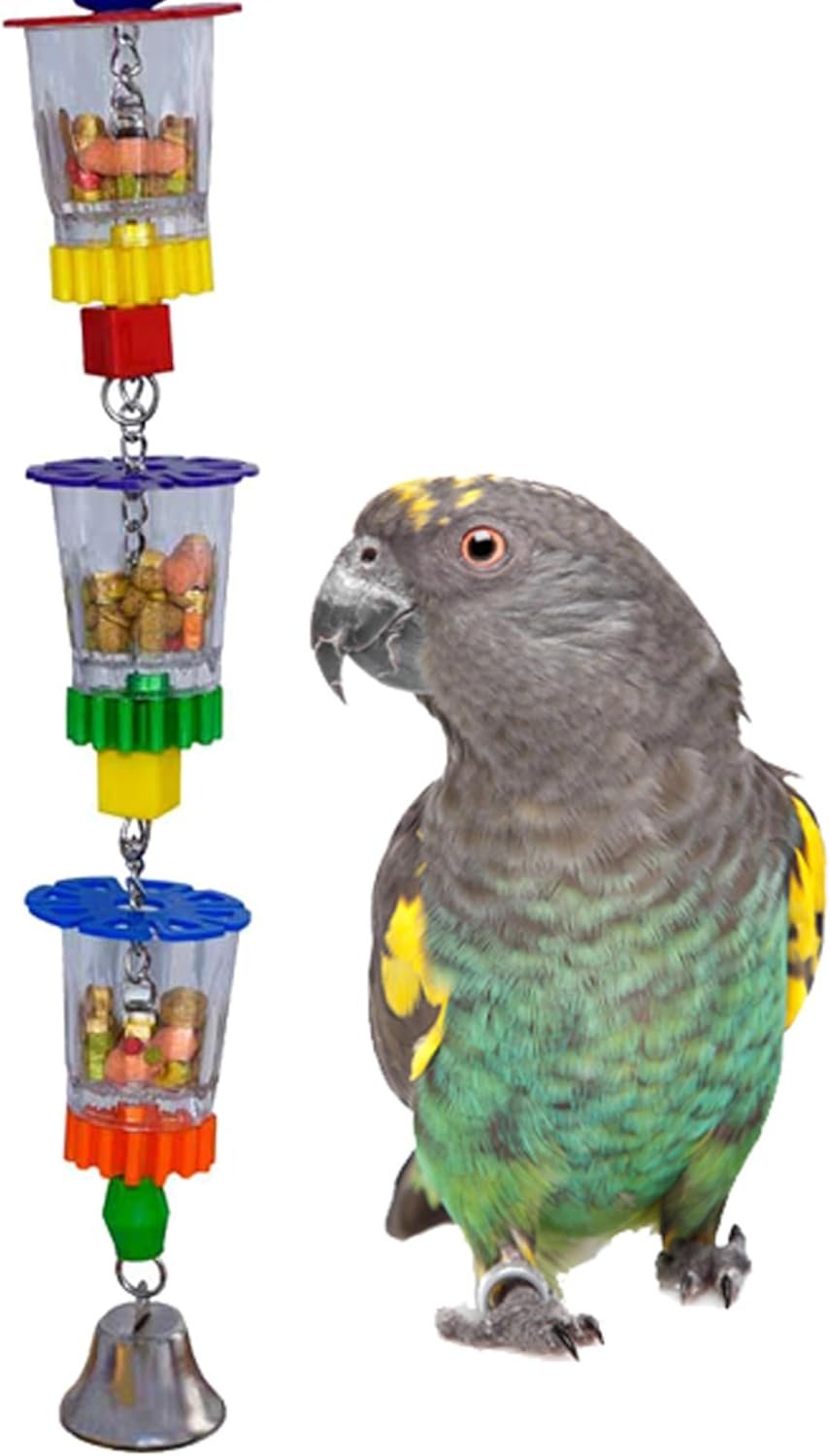
Cockatoos are large, intelligent, and highly destructive birds. Before diving into their diet, it is crucial that your habitat is equipped to handle their feeding behaviors. Here is the highly recommended veterinary-approved gear for a healthy cockatoo setup:
The Foundations of Parrot Feeding
Before you implement this cockatoo-specific guide, it helps to understand general avian nutrition and early development. For a foundational understanding, we recommend reviewing our complete parrot feeding guide to master early-stage care. You can also explore our established conure feeding schedule for daily routines, and brush up on baby bird feeding basics to ensure you’re providing the absolute best care across all parrot species.
What to Feed Cockatoos (Diet Plan)
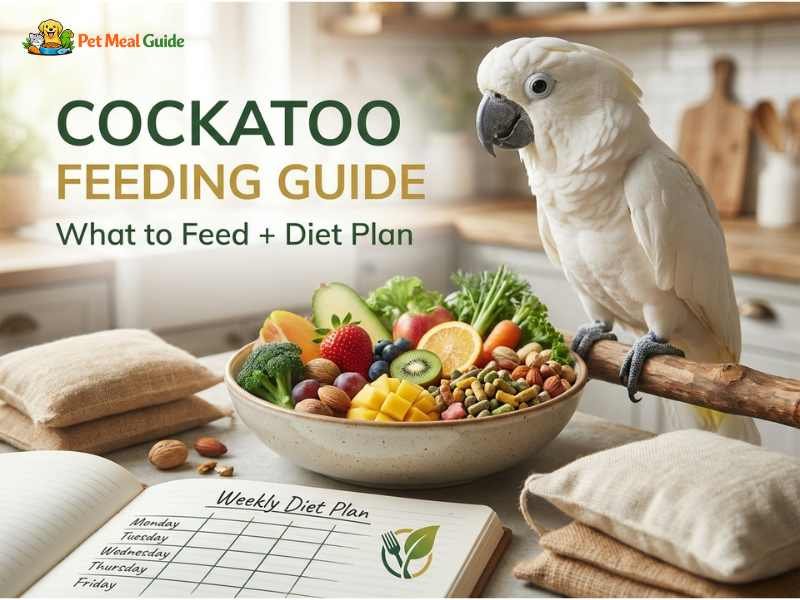
Cockatoos are renowned for their massive personalities, striking crests, and incredible intelligence. But behind their playful demeanor lies a highly complex digestive system. If you are wondering what can I feed a cockatoo to ensure longevity, vibrant feather health, and psychological well-being, you are in the right place.
Unlike smaller parrots, cockatoos are incredibly prone to obesity and fatty liver tumors if fed a traditional, outdated seed-only diet. To thrive in captivity, they require a meticulous, balanced approach to feeding that closely mimics their wild foraging habits.
Cockatoo Feeding (Overview)
Cockatoos need a balanced daily diet consisting of 60–70% formulated commercial pellets, 20–25% fresh vegetables, and 5–10% fresh fruits. Seeds and nuts should be strictly limited to training rewards. You must avoid toxic foods like avocado, chocolate, caffeine, and onions. Feed your cockatoo 2 to 3 times daily and ensure fresh, clean water is available at all times.
🥗 What Should I Feed My Cockatoo?
A wild cockatoo flies miles a day, burning massive amounts of energy. A pet cockatoo, however, lives a relatively sedentary life. Therefore, their diet must be highly nutritious but moderately low in fat.
- Pellet-Based Diet (60–70%): High-quality, dye-free avian pellets are the foundation of a healthy cockatoo. Pellets prevent “selective feeding”—a habit where birds pick out tasty, fatty seeds and leave the healthy bits behind. Every pellet bite contains a balanced mix of vitamins and minerals.
- Fresh Vegetables (20–25%): Dark leafy greens and orange vegetables provide essential Vitamin A, which prevents respiratory illnesses.
- Fruits (5–10%): Fruits are nature’s candy. While packed with antioxidants, they also contain high sugar levels. Keep portions strictly regulated.
- Seeds and Nuts (Limited): Walnuts, almonds, and sunflower seeds are extremely high in fat. Use these only as high-value rewards for trick training or inside puzzle toys.
👉 Want to see how this compares to other large birds? Read our comprehensive parrot feeding guide for a healthy diet.
🥕 What Fruits and Vegetables Can Cockatoos Eat?
Variety is the spice of a cockatoo’s life. Offering a “chop” (a finely diced mixture of fresh produce) every morning will keep your bird physically healthy and mentally engaged.
| Category | Safe Foods to Feed | Preparation Notes & Frequency |
|---|---|---|
| Fruits | Apple, Banana, Mango, Papaya, Berries | Remove all seeds/pits! (Apple seeds contain trace cyanide). Serve 2-3 times a week. |
| Vegetables | Carrot, Spinach, Broccoli, Kale, Sweet Potato | Serve daily. Wash thoroughly. Sweet potatoes must be cooked; others can be raw. |
| Grains & Legumes | Brown Rice, Quinoa, Lentils, Chickpeas | Must be fully cooked (without salt). Great for adding bulk to vegetable chop. |
👉 For a deeper dive into safe produce, check out our list of the best fruits and vegetables for budgies—the rules apply equally to cockatoos!
⚠️ What Can Cockatoos NOT Eat? (Highly Toxic)
Never assume that because a food is safe for humans, it is safe for your parrot. The following items are incredibly dangerous and can be fatal:
- Avocado: The skin, pit, and flesh contain persin, which causes sudden cardiac distress and death in parrots.
- Chocolate: Contains theobromine, leading to vomiting, seizures, and death.
- Alcohol & Caffeine: Birds cannot metabolize these substances. They lead to instant organ failure.
- Onion & Garlic: Destroys red blood cells, causing severe anemia.
- Fruit Pits: Peach, plum, and cherry pits contain cyanide compounds.
🥖 Can I Feed My Cockatoo People Food?
Cockatoos are flock animals. When you eat, they will instinctively want to share your meal. While sharing is a great bonding exercise, you must do so safely.
Safe Human Foods to Share:
- Plain, unsalted cooked pasta.
- A small piece of plain, whole-grain toast.
- Unseasoned scrambled eggs (a great protein source during molting).
Unsafe Human Foods to Avoid:
- Anything processed, deep-fried, or excessively salty (chips, crackers).
- Sugary human cereals or dairy products (birds are naturally lactose intolerant).
🧬 Does My Bird Need Extra Vitamins and Minerals?
One of the most common mistakes cockatoo owners make is putting liquid vitamin drops into their bird’s water bowl. This promotes rapid bacterial growth and often alters the taste, causing the bird to stop drinking and dehydrate.
If your cockatoo is eating a high-quality pellet diet (60-70% of intake), they do not need daily supplements. Over-supplementation, particularly of Vitamin A and D3, can lead to fatal organ toxicity.
👉 According to avian experts at VCA Animal Hospitals, supplements are only recommended if a bird is sick, laying eggs, or recovering from malnutrition, and should only be administered under veterinary guidance.
🐣 Baby Cockatoo Feeding Guide
Hand-raising a baby cockatoo is an enormous responsibility. Their crops are highly sensitive to temperature, and their immune systems are fragile. For an exhaustive guide, make sure to read our dedicated baby cockatoo feeding guide.
- Formula Feeding: Only use commercial avian formula. Never use human baby food.
- Temperature Guidelines: Formula MUST be served between 104°F and 110°F. If it is too cold, the crop stops digesting. If it is too hot, it will cause a fatal crop burn.
- Feeding Tools: Use sterile oral syringes. Clean them with boiling water after every single feed.
📊 Baby Cockatoo Feeding Schedule
| Age of Chick | Feedings per Day | Important Notes |
|---|---|---|
| 1–2 weeks | 6–7 feedings | High frequency. Formula should be slightly watery. Keep brooder very warm. |
| 2–4 weeks | 4–5 feedings | Thicker formula consistency. Feathers are beginning to emerge. |
| 4–6 weeks | 3–4 feedings | Start introducing warm, soft solid foods (weaning pellets, mashed sweet potato). |
| 6–8 weeks | 2–3 feedings | Weaning phase. Relying more on solid foods; formula is a supplementary top-up. |
🥄 How to Hand Feed Baby Cockatoos (Step-by-Step)
- Prepare Warm Formula: Mix fresh commercial formula with warm water until it resembles pudding. Check with a digital thermometer.
- Use the Syringe: Hold the chick gently. Insert the syringe from the left side of the beak, aiming towards the right side of the throat to bypass the windpipe.
- Feed Slowly: Match the bird’s natural swallowing rhythm. Never force the liquid.
- Check the Crop: Stop feeding when the crop feels like a softly filled water balloon. Do not overstretch it.
- Clean Tools: Discard leftover formula immediately and sterilize the syringe.
👉 For a broader look at neonate bird care, view our baby parrot feeding guide.
🐦 Sulphur Crested Cockatoo Diet & Feeding Behavior
The majestic Sulphur Crested Cockatoo is one of the most common pet cockatoos, but they demand rigorous mental stimulation during meals. For specific details on this breed, visit our Sulphur Crested Cockatoo feeding hub.
🌿 Natural Feeding Behaviour
In the wild landscapes of Australia, Sulphur Crested Cockatoos are ground and canopy foragers. They spend up to 70% of their waking hours cracking seeds, digging up tubers, and chewing on tree bark to extract grubs. Their beaks are incredibly powerful, designed to crush the hardest nuts.
🧠 Sulphur Crested Cockatoo Feeding Strategies and Methods
To prevent a Sulphur Crested Cockatoo from becoming bored, screaming, or plucking its feathers, you must turn feeding into a game:
- Food Rotation: Never feed them the exact same mix two days in a row. Rotate fruits and vegetables.
- Enrichment Feeding: Wrap their daily nuts or pellets in bird-safe paper, forcing them to shred the paper to get their meal.
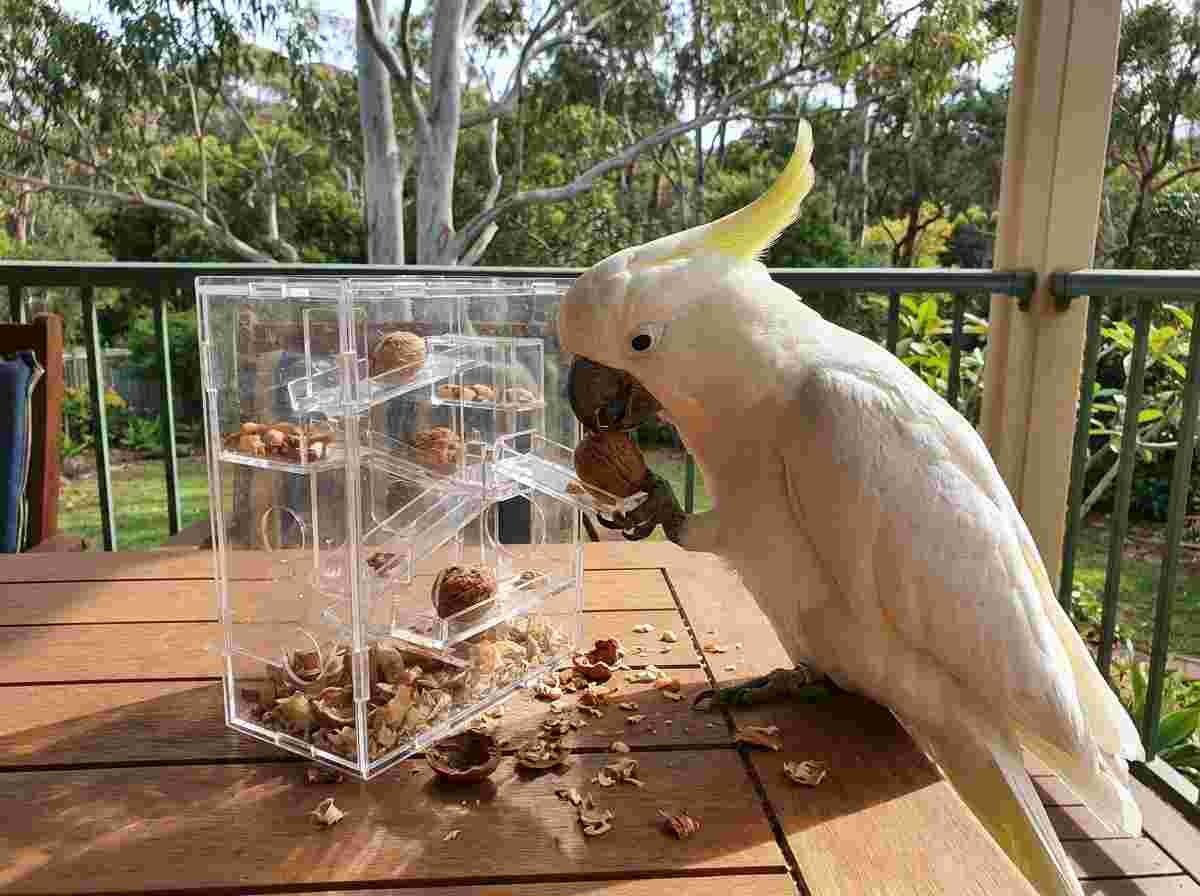
- Puzzle Feeders: Use acrylic puzzle toys bolted to the cage. They have the intelligence to turn dials and slide doors to access food.
🌍 What Do Cockatoos Eat in the Wild?
Wild cockatoos consume a highly varied diet based on regional seasons. Their primary wild diet includes:
- Seeds and Nuts: Native eucalyptus seeds, pine nuts, and macadamias.
- Fruits and Berries: Wild figs and native berries.
- Roots and Vegetation: Digging up roots and chewing on bark for trace minerals.
- Insects: Occasional grubs found inside tree bark for protein.
👉 How does this compare to South American parrots? Find out here: What do Macaws eat?
🧾 Daily Cockatoo Feeding Schedule
Routine is incredibly important for the emotional stability of a cockatoo. Try to stick to this daily schedule.
📊 Daily Feeding Chart
| Time of Day | Food Type & Action |
|---|---|
| Morning (8:00 AM) | Breakfast: Offer fresh vegetable chop, a small piece of fruit, and a fresh bowl of pellets. Change drinking water. |
| Afternoon (1:00 PM) | Clean & Forage: Remove all uneaten fresh fruits/veggies to prevent bacterial growth. Add a foraging toy filled with 2-3 almonds. |
| Evening (6:00 PM) | Dinner: Top up pellets if low. Offer a small piece of a warm, cooked grain (like a spoonful of brown rice) as a comforting bedtime snack. Final water change. |
🧠 Healthy Food for Cockatoos (Expert Tips)
To summarize the golden rules of a cockatoo diet:
- Variety is Key: A bored cockatoo is a destructive cockatoo. Change colors, textures, and serving methods.
- Fresh Food Daily: Mold and fruit flies are dangerous. Remove wet foods after 3–4 hours.
- Clean Water Always: Cockatoos love making “soup” by dunking pellets in their water. Wash the water bowl with soap daily.
🐥 Cockatoo Care, Social Behaviour, Feeding and Housing
Diet alone will not keep a cockatoo healthy. These are deeply emotional, “velcro” birds that view you as their flock. They require hours of daily out-of-cage interaction and social bonding.
Their cage must be massive—a minimum of 36″x24″x48″—to allow for wing flapping, multiple feeding stations, and an array of destructible toys. Place food and water bowls far apart to encourage movement.
👉 Interested in smaller, highly social birds? Learn about the types of lovebirds.
🎥 Cockatoo Feeding Guide for Beginners (Video)
Never guess what’s safe to feed again. Print this chart and stick it on your fridge!
📥 Download Cockatoo Feeding Chart PDF