
Top Recommended Supplies for Cockatoo Feeding & Housing

Sulphur crested cockatoos are large, highly intelligent parrots native to Australia and New Guinea. Properly managing their nutritional intake dictates their physical health, emotional well-being, and lifespan. Developing a feeding strategy requires understanding exactly what these powerful birds eat, both in captivity and the wild.
Owners transitioning to large parrots must master parrot feeding basics to avoid common pitfalls like seed-only diets. Raising a young cockatoo involves specialized knowledge comparable to hand feeding birds, requiring precise temperature control and formula consistency. Maintaining a balanced bird diet translates directly into vibrant plumage, strong respiratory health, and stable behavior.
Sulphur Crested Cockatoo Diet & Feeding Behavior
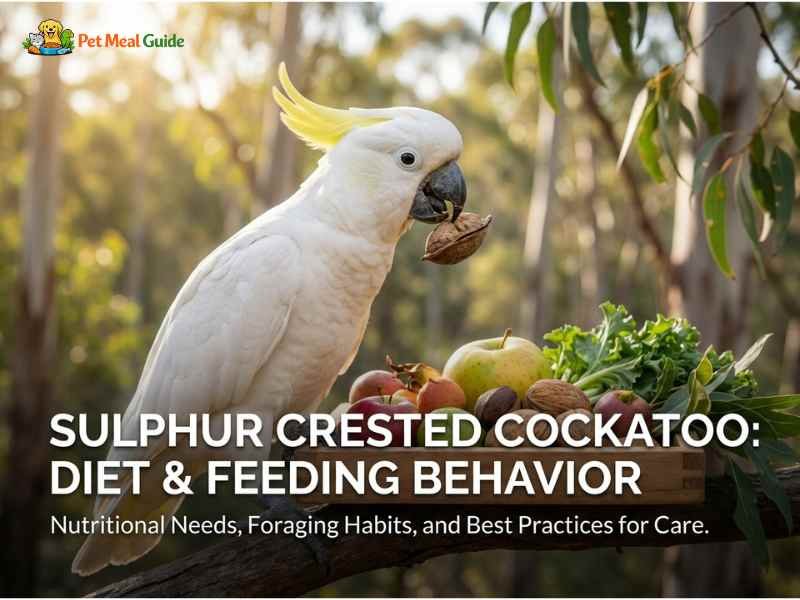
Quick Answer: Sulphur crested cockatoos need a balanced diet of pellets, vegetables, fruits, and limited seeds. Their natural feeding behaviour includes foraging, chewing, and exploring food sources. A proper feeding schedule ensures long-term health and prevents behavioral issues.
Sulphur Crested Cockatoo Feeding (Complete Guide)
Providing the correct dietary structure prevents obesity and fatty liver disease—two of the most common health crises in captive cockatoos. Daily diet structures rely on macronutrient balance. Formulated pellets act as the baseline, preventing the bird from selectively picking out high-fat items like sunflower seeds.
Feeding frequency impacts the bird’s metabolism. Splitting the daily ration into two distinct meals mimics the natural dawn and dusk foraging times observed in the wild. Portion control requires careful measuring. A healthy sulphur crested cockatoo typically consumes about 1/4 to 1/2 cup of pellets per day, alongside 1/4 cup of fresh vegetables. Adjust portions based on the bird’s daily activity level and flight time. Consult our comprehensive cockatoo feeding guide for extensive portion calculations based on weight.
What Should I Feed My Cockatoo?
Creating a nutritionally complete menu requires categorizing foods by their necessary daily percentages.
Core Diet: Pellets (60–70%)
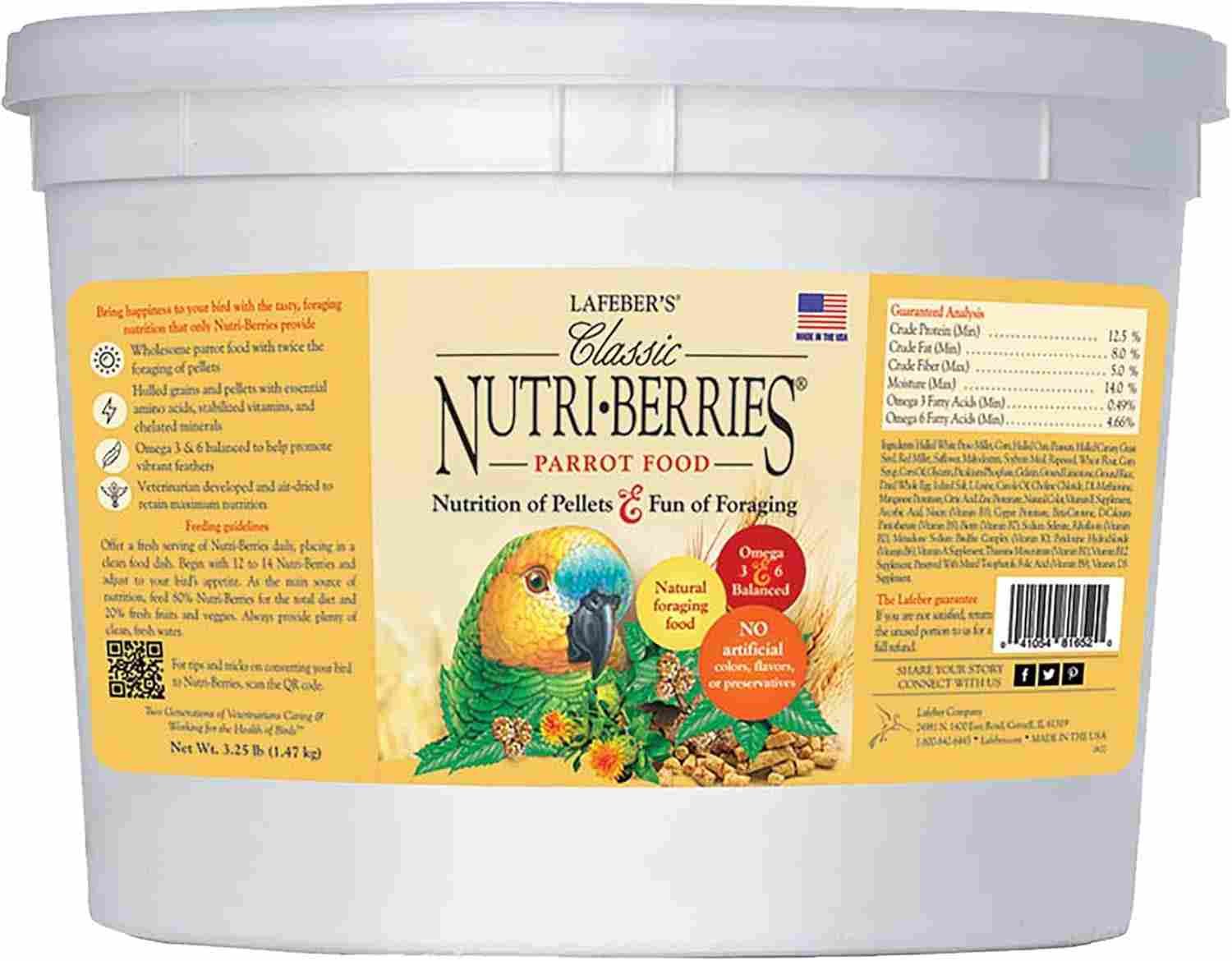
High-quality, extruded pellets provide the foundation. Unlike seed mixes, pellets fuse vitamins, minerals, and proteins into uniform pieces, eliminating selective feeding. Choose organic pellets devoid of artificial coloring. Colored pellets occasionally alter the color of the bird’s droppings, masking potential signs of illness.
Fresh Foods: Vegetables and Greens (20-30%)
Vegetables deliver essential phytonutrients. Dark, leafy greens offer calcium and iron. Orange and yellow vegetables supply beta-carotene, which the bird’s body converts to Vitamin A—a vital nutrient for respiratory health and feather condition.
Occasional Foods: Fruits, Seeds, and Nuts (5-10%)
Fruits contain high sugar levels. Serve fruit sparingly to prevent blood sugar spikes and excessive weight gain. Seeds and nuts function as high-value training rewards. Almonds, walnuts, and macadamia nuts offer healthy fats necessary for brain function but must remain strictly rationed. Learn more about optimal ingredient balancing in our parrot feeding guide for a healthy diet.
What Fruits and Vegetables Can Cockatoos Eat?
Variety prevents dietary boredom. Rotate the items offered weekly. Wash all produce thoroughly to remove pesticide residue. Leaving the skin on organic produce adds valuable fiber to the digestive tract.
| Type | Recommended Foods | Preparation Notes |
|---|---|---|
| Fruits | Apple, Mango, Banana, Papaya, Berries | Remove apple seeds (contain cyanide). Peel mangoes. |
| Vegetables | Carrot, Spinach, Broccoli, Bell Peppers, Sweet Potato | Steam sweet potatoes slightly for better nutrient absorption. |
| Grains/Legumes | Brown rice, Quinoa, Sprouted lentils, Chickpeas | Cook grains thoroughly without salt. Sprout lentils safely. |
Discover broader options in our guide to the best fruits and vegetables for budgies, as many safe produce rules apply across parrot species.
What Can Cockatoos NOT Eat?
Certain human foods cause immediate toxicity and organ failure in avian species. Strict avoidance is mandatory.
- Avocado: Contains persin, a fungicidal toxin highly fatal to parrots, causing respiratory distress and heart failure.
- Chocolate: Theobromine and caffeine act as severe stimulants, inducing seizures, vomiting, and cardiac arrhythmias.
- Alcohol: Avian livers cannot process ethanol. Even minute quantities depress the nervous system fatally.
- Caffeine: Coffee, tea, and soda trigger extreme heart rate elevation.
- Onions and Garlic: Thiosulfate damages red blood cells, leading to hemolytic anemia.
- Fruit Pits and Apple Seeds: Stone fruit pits (cherry, plum, peach) and apple seeds contain amygdalin, releasing cyanide when metabolized.
Can I Feed My Cockatoo People Food?
Sharing meals strengthens the flock bond, provided the human food is bird-safe. Unseasoned, cooked whole grain pasta, a piece of plain scrambled egg, or a slice of raw vegetable pulled from your salad bowl are acceptable.
Avoid processed foods entirely. Crackers, chips, and baked goods contain high sodium, refined sugars, and unhealthy fats. Sodium toxicity leads to excessive thirst, dehydration, and kidney damage. Strictly monitor portion sizes; a single potato chip equates to a massive salt dose for a bird.
Does My Bird Need Extra Vitamins and Minerals?
A cockatoo consuming a high-quality pelleted diet supplemented with fresh vegetables rarely requires synthetic vitamins. Adding liquid vitamins to drinking water promotes rapid bacterial growth in the water bowl and risks hypervitaminosis (vitamin overdose).
Calcium deficiency remains a specific concern for egg-laying females. Supplying a cuttlebone or mineral block allows the bird to self-regulate calcium intake while wearing down its beak. Always consult an avian veterinarian before introducing supplements. Expert veterinary insights detail specific nutritional deficiencies; review cockatoos feeding guidelines from VCA Hospitals.
What Do Sulphur Crested Cockatoos Eat in the Wild?
Wild sulphur crested cockatoos are opportunistic foragers. Their diets adapt to seasonal availability across the Australian landscape.
They consume native seeds, seeding grasses, and nuts cracked with their powerful mandibles. Fruits, berries, and blossoms form the sugary component of their diet. During ground foraging, they excavate roots, corms, and insect larvae. Bark stripping serves a dual purpose: it uncovers hidden grubs and aids in beak maintenance. Comparing large parrot diets reveals fascinating ecological adaptations; see what macaws eat in their native rainforests for contrast.
Natural Feeding Behaviour
Understanding psychological feeding needs prevents destructive behavior in the home environment.
Foraging Behavior
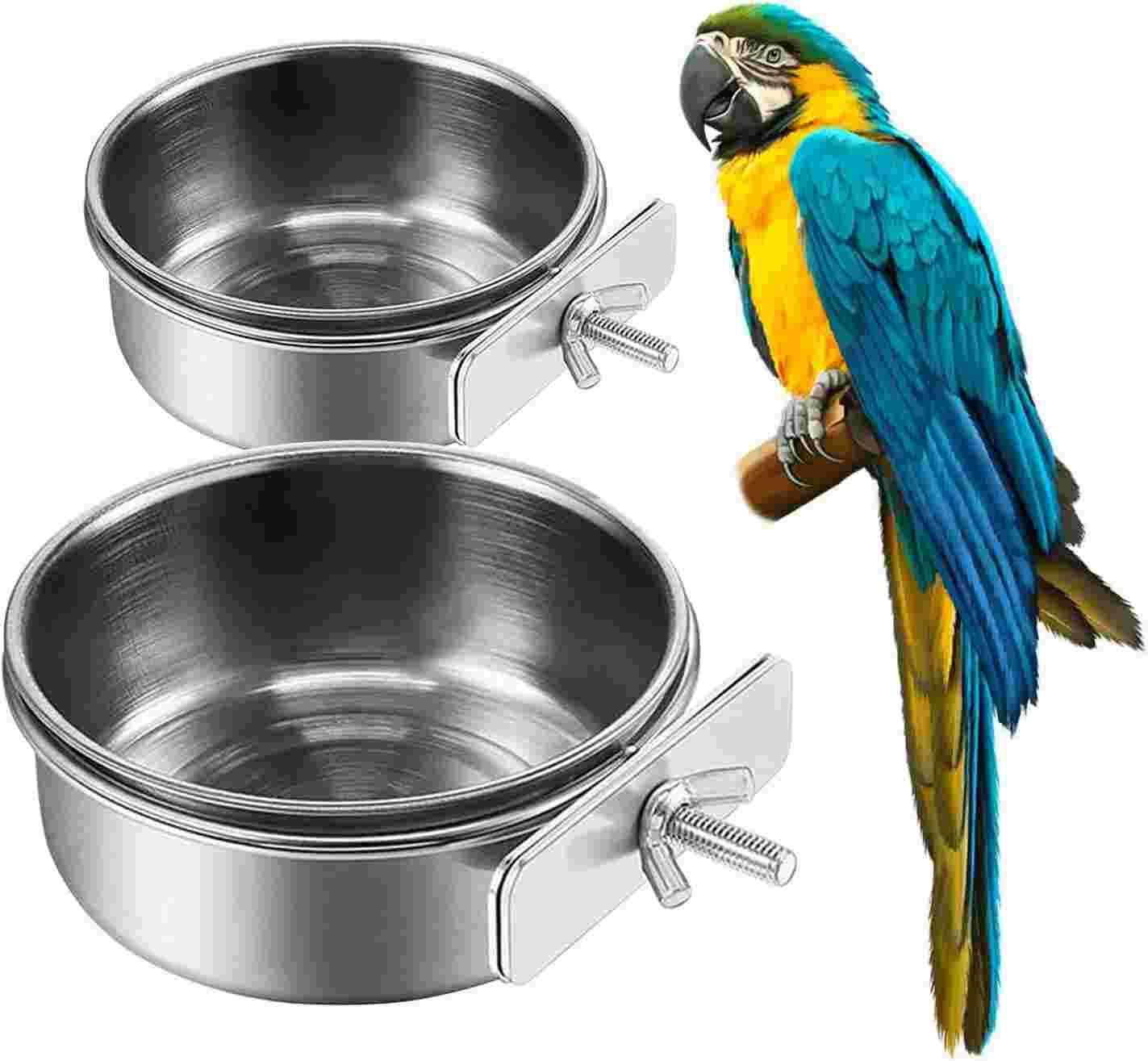
Wild cockatoos spend up to 70% of their waking hours searching for food. Placing food in a simple steel bowl eliminates this instinctual time-sink, leading to boredom, screaming, and feather plucking. Recreate foraging by hiding pellets in crumpled, bird-safe paper or burying treats under wooden beads in a designated foraging tray.
Destructive Feeding Habits
The beak of a sulphur crested cockatoo constantly grows. Wild birds strip eucalyptus bark and chew dead wood to wear down the keratin. Captive birds without chewing outlets turn to furniture, doorframes, and drywall. Provide safe, untreated wood blocks, natural branches, and thick cardboard precisely for destruction during feeding times.
Mental Stimulation Through Food
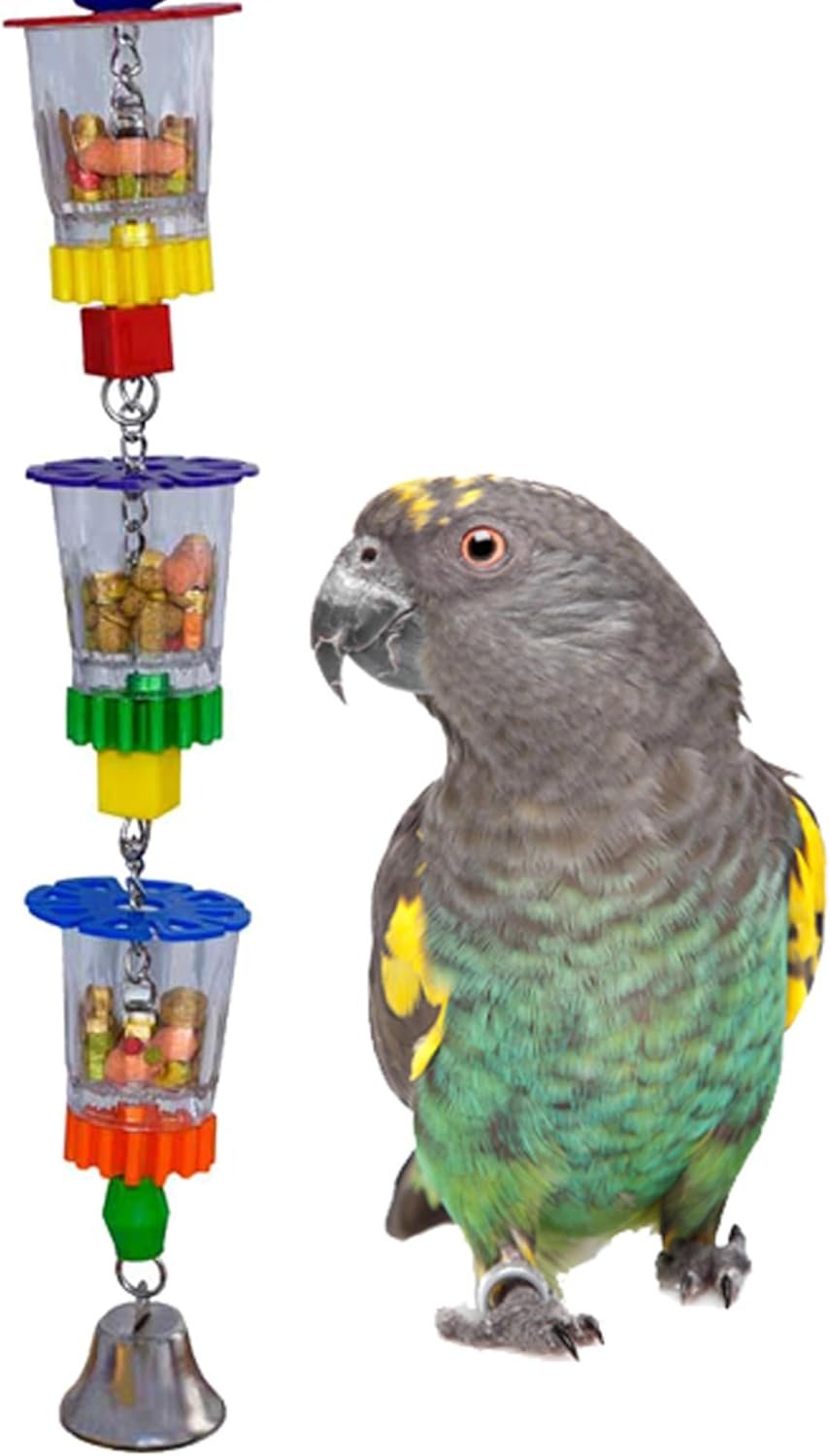
Food acts as primary mental enrichment. Puzzle feeders require the bird to manipulate levers, turn wheels, or unscrew caps to access a nut. This cognitive exertion mirrors the problem-solving required to open a tough wild macadamia nut.
Sulphur Crested Cockatoo Feeding Strategies and Methods
A successful feeding method relies on consistency and engagement. Food rotation strategy prevents the bird from selectively eating only preferred items. Serve wet foods (vegetables) in the morning, remove them after two hours, and leave dry pellets for the remainder of the day.
Enrichment feeding means making the bird work for its calories. Threading vegetables onto a stainless steel skewer hung from the cage roof forces the cockatoo to balance and climb while eating. For very young birds transitioning to solid foods, review our baby cockatoo feeding protocols.
Daily Feeding Schedule for Cockatoos
A predictable schedule stabilizes the bird’s metabolism and digestive tract.
| Time of Day | Food Type | Action Required |
|---|---|---|
| Morning (8:00 AM) | Pellets + Chopped Vegetables | Wash bowls. Serve fresh mixture. Add foraging toys. |
| Midday (11:00 AM) | Water Check | Remove uneaten fresh vegetables to prevent spoiling. |
| Afternoon (2:00 PM) | Fruits / Nut Treats | Use for training sessions or place in puzzle feeders. |
| Evening (6:00 PM) | Light Pellets | Provide dry pellets to sustain digestion overnight. |
Healthy Food for Cockatoos (Expert Tips)
Veterinary nutritionists emphasize three pillars of avian health: Variety, Freshness, and Sanitation.
Limit high-starch foods. Provide pure, filtered water changed at least twice daily. Cockatoos notoriously dunk their pellets and food into water bowls, creating a “soup” that rapidly breeds dangerous bacteria. Install secondary water bottles to ensure constant access to clean water.
Cockatoo Care, Social Behaviour, Feeding and Housing
Diet intersects directly with housing and social structure. A poorly fed bird exhibits aggression and anxiety. Cockatoos form intense emotional bonds with their owners, viewing them as flock mates. Meal times should involve social interaction. Housing requires massive cages allowing full wing extension without touching the bars. For context on housing and socialization scaling in smaller flock birds, read about types of lovebirds.
Common Cockatoo Diet Queries
- What can cockatoos not eat? They cannot eat avocado, chocolate, caffeine, onions, garlic, alcohol, or fruit seeds containing cyanide.
- What fruits can cockatoos eat? Apples, mangoes, bananas, pomegranates, and berries are excellent choices in moderation.
- Can cockatoos eat bread? Bread offers empty calories, risking yeast infections in the crop and malnutrition. Avoid feeding baked goods.
- Do cockatoos eat mealworms? While omnivorous, wild cockatoos rarely eat large insects. Captive diets do not require mealworms; plant-based proteins suffice.
Sulphur Crested Cockatoo Feeding Guide (Explained in Video)
Summary: Cockatoos require pellets, fresh vegetables, fruits, and limited seeds. Feeding twice daily with enrichment improves health and behavior. Clean water and rotating food textures prevent malnutrition and psychological distress.
Disclaimer: This content is for informational purposes only. Dietary changes can affect bird health. Always consult a certified avian veterinarian regarding your specific pet’s nutrition and wellness plan.
Next Article: 👉 Cockatoo Food List (Safe vs Toxic Foods Chart)