Essential Cockatoo Cage & Feeding Setup
Top-rated supplies to maintain optimal nutrition and safety.
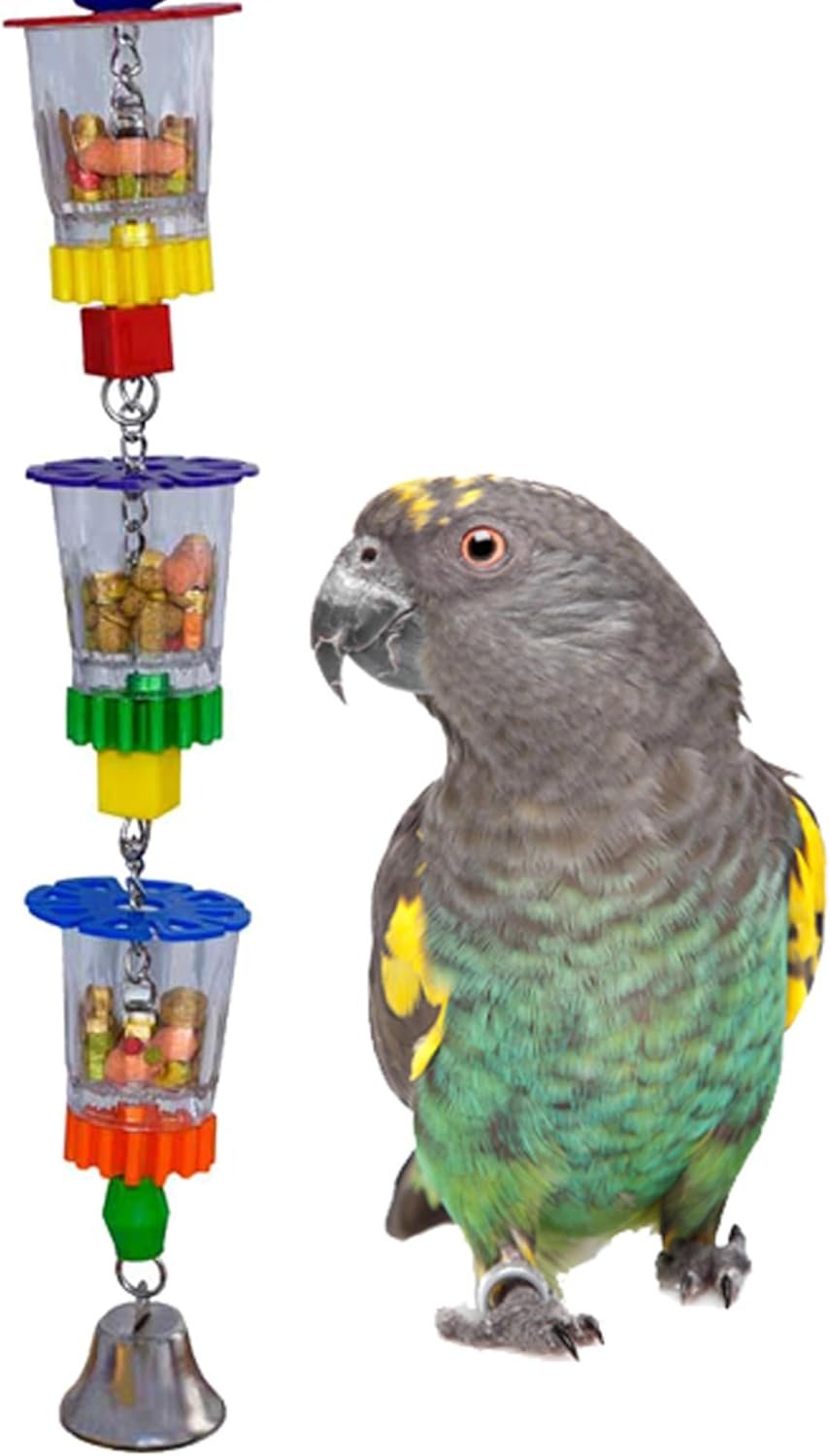
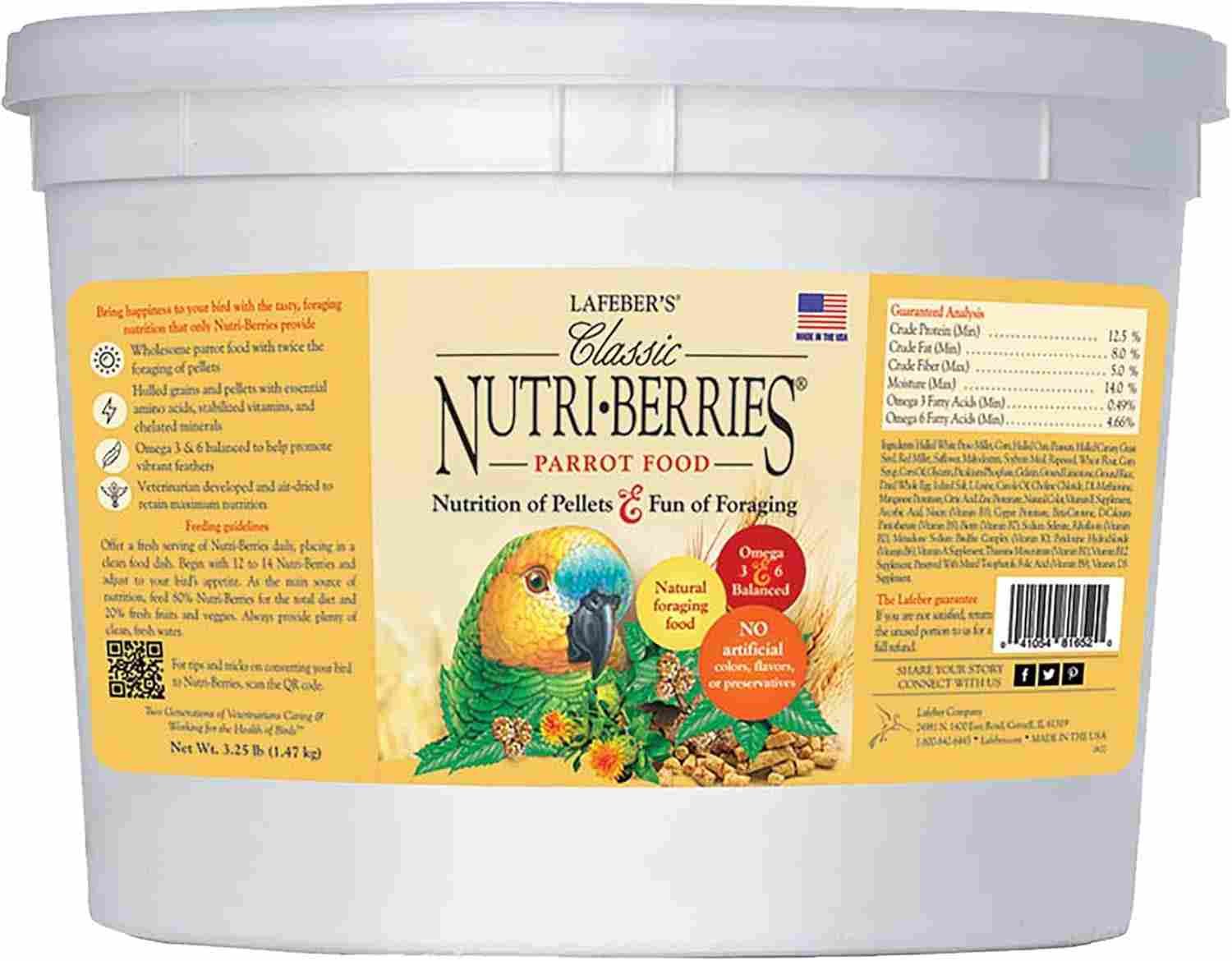
Providing the correct foods dictates the lifespan, feather quality, and behavioral stability of a cockatoo. Wild cockatoos spend the majority of their daylight hours foraging across vast terrains, consuming a massive variety of seasonal seeds, nuts, roots, and vegetation. Replicating this diverse nutritional profile in captivity requires strict adherence to a verified cockatoo food list.
New bird owners must understand parrot feeding basics to avoid the severe health complications associated with all-seed diets. Maintaining a balanced bird diet prevents fatty liver disease, obesity, and vitamin A deficiency—three of the most fatal conditions in captive parrots. For breeders or those rescuing young birds, mastering the techniques of hand feeding birds establishes the baseline for robust adult health.
What Can Cockatoos Eat? Safe vs Toxic Food List Explained
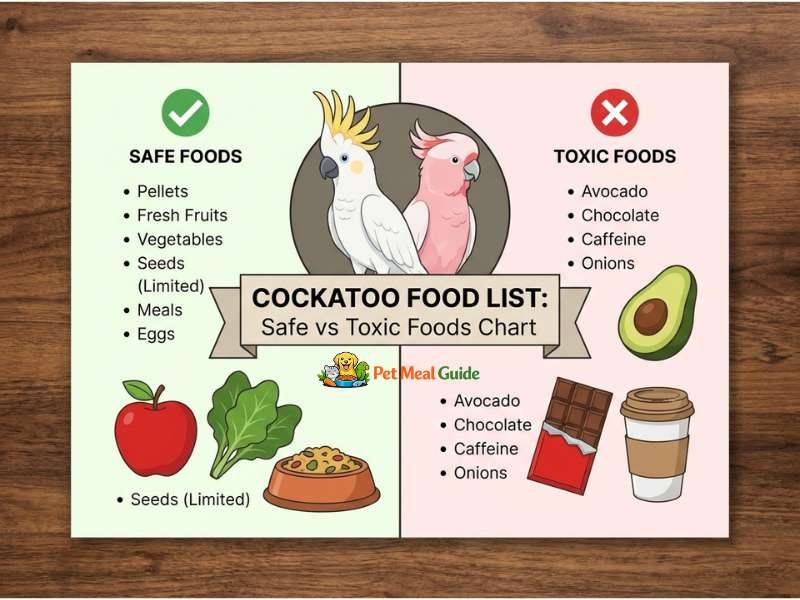
Cockatoos can eat a wide range of fruits, vegetables, grains, and pellets. Some foods like avocado, chocolate, and caffeine are highly toxic and can cause immediate organ failure. A balanced diet consisting of 70% pellets and 30% fresh produce ensures long-term health, proper feather growth, and strong immunity.
What Should I Feed My Cockatoo?
A cockatoo’s digestive system thrives on specific macronutrient ratios. An exclusively seed-based diet provides excessive fat and drastically insufficient vitamins. Structure the daily food intake using these clear percentages:
- 60–70% Pellets: High-quality, formulated pellets serve as the nutritional anchor. Extruded pellets fuse essential vitamins, minerals, and proteins, preventing the bird from picking out only the tasty, fatty pieces.
- 20–30% Vegetables: Dark leafy greens and vibrantly colored vegetables supply crucial phytonutrients, calcium, and beta-carotene.
- 5–10% Fruits: Serve fruit sparingly. Avian digestive systems struggle to process high fructose levels, leading to weight gain and yeast overgrowth.
- Limited Seeds and Nuts: Reserve seeds and high-fat nuts (almonds, walnuts) exclusively for behavioral training and foraging rewards.
Determine exact portion sizing based on your bird’s species and weight by consulting our parrot feeding guide for a healthy diet.
The Best Parrot Diet (and Toxic Foods to Avoid)
The best parrot diet mirrors the complexity of natural foraging while eliminating the localized toxins found in domestic kitchens. Balanced nutrition relies on cellular health. Vegetables rich in Vitamin A maintain clear respiratory tracts and vibrant, strong feathers. Calcium-rich greens support bone density and prevent egg-binding in reproductive females.
Conversely, poor diets lead directly to feather destructive behavior (plucking), constant screaming, and shortened lifespans. Knowing exactly which foods act as medicine and which act as poison is the absolute foundation of avian husbandry.
Cockatoo Food List (100+ Safe Foods)
Use the following categorized charts to build a daily chop (a finely diced mix of fresh foods). Rotate ingredients weekly to prevent dietary boredom and ensure a broad spectrum of micronutrients.
🟢 Safe Fruits for Cockatoos (25+)
Always wash fruits thoroughly to remove pesticide residue. Remove all seeds and pits from stone fruits and apples prior to feeding.
| Fruit Name | Preparation Notes | Primary Benefit |
|---|---|---|
| Apple | Must remove seeds (contain cyanide) | Fiber, Vitamin C |
| Banana | Peel before serving | Potassium, Energy |
| Mango | Remove skin and central pit | Vitamin A, Beta-carotene |
| Papaya | Seeds are safe to eat | Digestive enzymes |
| Blueberry | Serve whole | Antioxidants |
| Strawberry | Wash thoroughly | Vitamin C, Manganese |
| Raspberry | Serve whole | Dietary fiber |
| Blackberry | Serve whole | Vitamins C and K |
| Pineapple | Remove tough outer skin | Bromelain (digestion) |
| Watermelon | Serve flesh only | Hydration |
| Cantaloupe | Remove seeds and rind | Vitamin A |
| Kiwi | Peel skin | Vitamin C, Folate |
| Orange | Peel and remove seeds | Vitamin C, Hydration |
| Grapes | Cut in half (choking hazard) | Quick energy |
| Pear | Remove seeds completely | Fiber, Copper |
| Peach | Remove toxic pit | Vitamins A and C |
| Plum | Remove toxic pit | Antioxidants |
| Cherry | Remove toxic pit | Melatonin, Vitamins |
| Fig | Serve fresh, not dried | Calcium, Potassium |
| Pomegranate | Seeds (arils) are excellent | Antioxidants, Foraging fun |
| Guava | Serve flesh | Vitamin C, Lycopene |
| Coconut | Serve fresh meat sparingly | Healthy fats |
| Dates | Remove pit, feed rarely (high sugar) | Quick energy, Iron |
| Apricot | Remove toxic pit | Beta-carotene |
| Nectarine | Remove toxic pit | Vitamins A and C |
🟢 Safe Vegetables for Cockatoos (30+)
Vegetables should form the bulk of the fresh diet. Steaming tough vegetables like sweet potato breaks down complex starches, making nutrients more bioavailable.
| Vegetable Name | Preparation Notes | Primary Benefit |
|---|---|---|
| Carrot | Serve raw or lightly steamed | Beta-carotene |
| Broccoli | Serve florets and stalks | Calcium, Vitamin K |
| Spinach | Feed in moderation (oxalates) | Iron, Vitamins A & C |
| Kale | Wash thoroughly | Calcium, Antioxidants |
| Lettuce (Romaine) | Avoid Iceberg (no nutrition) | Hydration |
| Cabbage | Serve chopped | Vitamin K, Fiber |
| Zucchini | Serve raw with skin | Manganese, Vitamins |
| Pumpkin | Cook thoroughly, seeds are safe | Vitamin A, Fiber |
| Sweet potato | Must be cooked/steamed | Complex carbs, Vitamin A |
| Corn | Serve fresh on the cob | Energy, Foraging activity |
| Peas | Serve in the pod | Plant protein |
| Green beans | Serve raw or lightly blanched | Fiber, Vitamins C & K |
| Bell peppers | All colors are safe, seeds included | Massive Vitamin C boost |
| Cucumber | Wash skin thoroughly | Hydration |
| Tomato | Serve red fruit only (NO vines/leaves) | Lycopene |
| Beetroot | Will color droppings red (normal) | Folate, Manganese |
| Turnip | Serve chopped | Vitamin C |
| Radish | Spicy taste birds often enjoy | Potassium |
| Cauliflower | Serve raw or steamed | Vitamins C and K |
| Brussels sprouts | Cut in half | Antioxidants, Fiber |
| Asparagus | Serve steamed | Folate, Vitamins A & C |
| Okra | Serve sliced | Magnesium, Fiber |
| Celery | Chop finely to avoid string impaction | Hydration, Crunch |
| Eggplant | Must be fully cooked, no leaves | Fiber, Copper |
| Swiss chard | Feed moderately | Vitamins A, K, and C |
| Dandelion greens | Must be pesticide-free from yard | Calcium, Liver health |
| Mustard greens | Serve raw | Vitamins K and A |
🟢 Safe Grains & Seeds (20+)
Whole grains provide essential complex carbohydrates for sustained energy during flight and play.
| Grain/Seed Name | Preparation Notes |
|---|---|
| Brown rice | Cook thoroughly without salt |
| Quinoa | Rinse well to remove saponins, cook fully |
| Oats | Serve whole rolled, uncooked or cooked in water |
| Barley | Cook thoroughly |
| Millet | Excellent for foraging and training |
| Whole wheat pasta | Cook plain without oil or salt |
| Whole grain bread | Extremely limited (treat only) |
| Buckwheat | Cooked or sprouted |
| Flax seeds | Serve ground for best absorption |
| Chia seeds | Serve dry or soaked |
| Sunflower seeds | Limit strictly (high fat) |
| Pumpkin seeds | Serve raw, unsalted |
| Sesame seeds | Sprinkle lightly on chop |
| Amaranth | Cooked or sprouted |
| Spelt | Cooked plain |
| Farro | Cooked plain |
| Teff | Cooked plain |
| Hemp hearts | Excellent source of Omega-3 |
| Safflower seeds | Use as training treat |
| Canary seed | Safe addition to seed mix |
🟢 Protein Foods (15+)
Plant-based proteins sustain muscle mass. Sprouting seeds radically increases their protein and vitamin bioavailability.
- Cooked lentils (never raw)
- Chickpeas (cooked thoroughly)
- Kidney beans (must be fully boiled)
- Black beans (must be fully boiled)
- Navy beans (must be fully boiled)
- Boiled egg (serve in small pieces, shell included for calcium)
- Sprouted seeds (alfalfa, broccoli sprouts)
- Tofu (plain, unseasoned)
- Mealworms (occasionally, cooked or dried)
- Cooked chicken (plain, unseasoned, tiny amounts)
- Cooked fish (white fish, plain, tiny amounts)
- Edamame (steamed)
- Mung beans (sprouted or cooked)
- Pinto beans (cooked)
- Lima beans (cooked)
🟢 Safe Nuts (10+)
Nuts are incredibly dense in calories and fats. For a cockatoo, cracking the shell provides massive psychological enrichment.
- Almonds (in shell)
- Walnuts (high in Omega-3)
- Pecans
- Cashews (unsalted, raw)
- Pistachios (unsalted)
- Macadamia nuts (very limited, extremely high fat)
- Hazelnuts
- Brazil nuts (limit to one per week due to selenium)
- Pine nuts
- Peanuts (human-grade roasted only, avoid shells due to Aspergillus mold risk)
Unsafe Foods For Parrots
Avian physiology differs drastically from mammals. Foods completely safe for humans cause rapid toxicity, neurological failure, and cardiac arrest in birds. Keep all toxic items out of the bird’s flight path and out of the food preparation area.
What Food is Bad for Cockatoos?
🔴 Toxic Foods List (CRITICAL SECTION)
- Avocado: Contains persin, a fungicidal compound that causes respiratory distress, fluid around the heart, and rapid death.
- Chocolate: Contains theobromine and caffeine. Induces vomiting, diarrhea, seizures, and cardiac arrhythmias.
- Caffeine: Coffee, tea, and soda trigger extreme heart rate elevation and hyperactivity leading to cardiac arrest.
- Alcohol: Avian livers cannot metabolize ethanol. Causes fatal central nervous system depression.
- Onion & Garlic: Contains thiosulfate, destroying red blood cells and leading to fatal hemolytic anemia.
- Apple seeds & Fruit pits: Contain amygdalin, which converts to cyanide during digestion.
- Salt: Triggers excessive thirst, dehydration, kidney failure, and neurological issues.
- Sugar: Promotes obesity, diabetes, and massive yeast infections (Candidiasis) in the crop.
- Processed food: Chips, crackers, and deli meats contain lethal sodium levels and preservatives.
- Raw beans: Contain hemagglutinin, a toxic protein destroyed only by thorough boiling.
- Moldy food: Peanut shells and old grains harbor Aspergillus spores, causing severe respiratory disease.
- Xylitol: Artificial sweetener causing rapid hypoglycemia and liver damage.
- Tomato leaves/vines: Contain highly toxic nightshade alkaloids.
What Can Cockatoos NOT Eat?
If your bird consumes any item from the toxic list, immediate veterinary intervention is required. Do not wait for symptoms to appear. The metabolic rate of a cockatoo processes toxins rapidly. Watch for these exact symptoms of poisoning:
- Vomiting: Regurgitating food violently with head shaking (distinct from mating regurgitation).
- Weakness: Inability to perch, drooping wings, or sitting at the bottom of the cage.
- Breathing issues: Open-beak breathing, tail bobbing, or wheezing.
- Neurological signs: Seizures, loss of balance, or partial paralysis.
Can I Feed My Cockatoo People Food?
Sharing meals is an excellent flock-bonding activity, provided you exercise strict portion control and ingredient awareness.
Safe People Food: Plain cooked pasta, unseasoned brown rice, a raw floret of broccoli, or a plain scrambled egg. These integrate perfectly into the bird’s diet.
Unsafe People Food: Pizza crusts, potato chips, heavily salted meats, sugary breakfast cereals, and dairy products. Birds lack the lactase enzyme; consuming cheese or milk causes severe diarrhea and gastrointestinal distress.
Does My Bird Need Extra Vitamins and Minerals?
A cockatoo eating 70% high-quality pellets and 30% fresh produce receives complete baseline nutrition. Adding liquid vitamins to the water bowl breeds dangerous bacteria and discourages the bird from drinking due to poor taste.
Supplements are strictly needed only during specific medical scenarios: egg-laying (calcium), molting (amino acids), or illness recovery. Administering synthetic vitamins without a blood test risks hypervitaminosis (vitamin overdose), leading to organ toxicity. Rely on expert diagnostics. Read the clinical breakdown on cockatoos feeding by VCA Hospitals.
Sulphur Crested Cockatoo Feeding Strategies and Methods
Mental engagement during feeding prevents destructive behavioral loops. Wild birds spend hours manipulating objects to extract food.
Food rotation: Never serve the exact same vegetable mix two days in a row. Swap sweet potatoes for carrots, and kale for spinach. This guarantees a broad micronutrient intake.
Foraging: Hide pellets inside crumpled paper, cardboard tubes, or specialized acrylic puzzle toys. Forcing the bird to chew, unscrew, or unlock a container to eat mirrors wild foraging mechanics.
Enrichment: Skewer whole vegetables on stainless steel rods hung from the cage roof. The bird must balance, hang upside down, and chew to eat, burning calories and exercising foot muscles. Learn advanced puzzle feeding in our cockatoo feeding guide.
Baby Cockatoo Feeding
Weaning a baby cockatoo involves transitioning from specialized warm formula to solid foods. Introduce soft, warm foods like cooked sweet potato, mashed banana, and softened pellets. Maintain precise crop temperature protocols to prevent crop stasis (sour crop). Follow strict guidelines outlined in our baby cockatoo feeding manual.
Daily Feeding Schedule for Cockatoos
A structured schedule stabilizes the bird’s digestion and emotional state.
| Time of Day | Food Type Provided | Care Action |
|---|---|---|
| Morning (8:00 AM) | Pellets + Fresh Vegetable Chop | Wash bowls thoroughly. Serve fresh water and primary diet. |
| Midday (11:00 AM) | Foraging Toys Check | Remove uneaten fresh vegetables to prevent bacterial growth. |
| Afternoon (2:00 PM) | Small Fruit Portion / Seed Treats | Use high-value foods for flight training or behavioral shaping. |
| Evening (6:00 PM) | Light Dry Pellets | Provide a small amount of dry food to sustain digestion overnight. |
Do Birds Feel Love Towards Humans?
Cockatoos are intensely social flock animals. They perceive their human caretakers as actual flock members. When you share food, groom their head feathers, and interact vocally, the bird experiences deep emotional bonding and trust. This bond requires massive time investments; a neglected cockatoo rapidly develops severe depression, leading to self-mutilation.
Cockatoo Care, Social Behaviour, Feeding and Housing
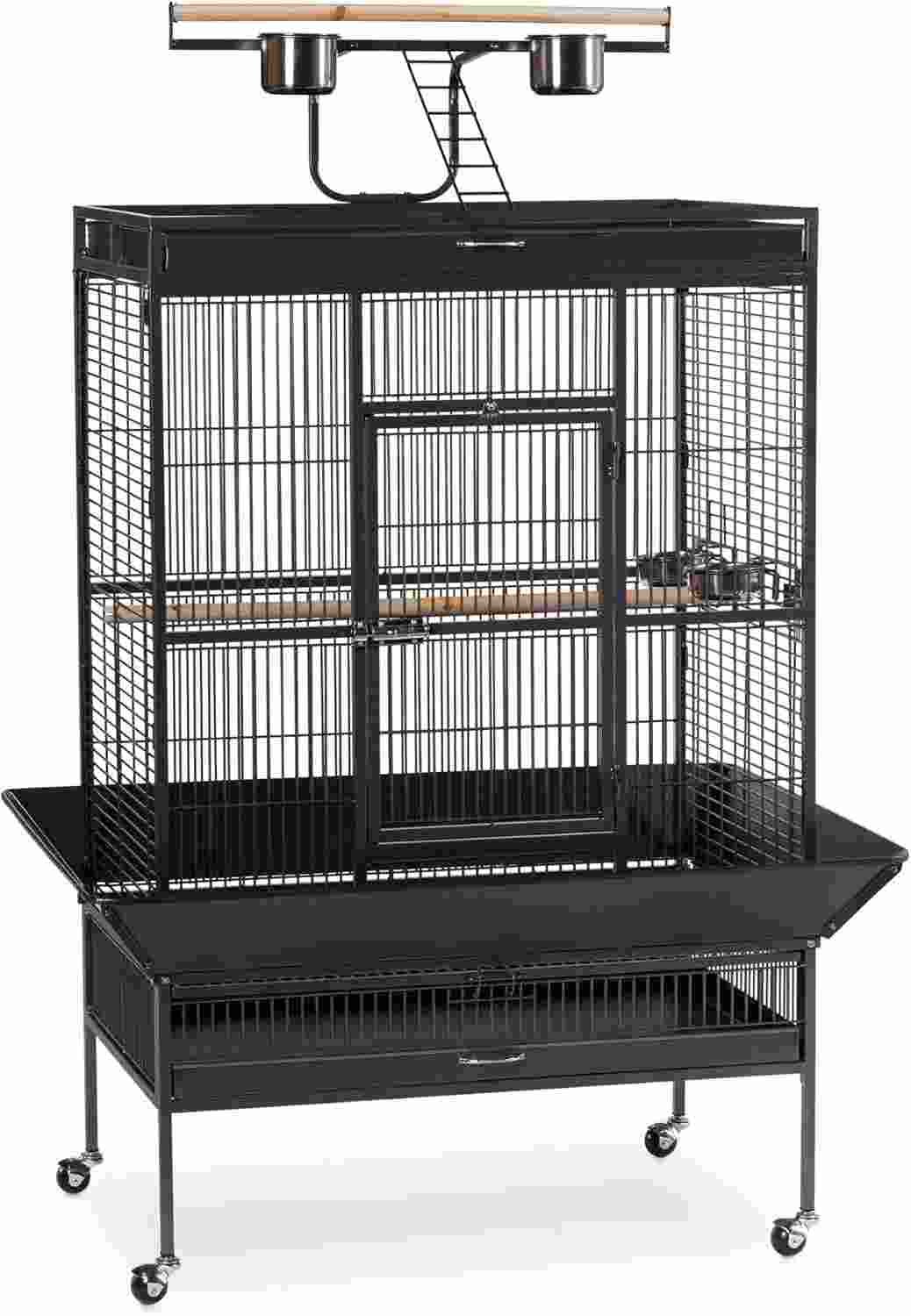
Nutrition, housing, and social interaction function as a single care ecosystem. A perfect diet cannot fix the stress of an undersized cage. Cockatoos require massive enclosures—minimum 40″ x 30″ x 60″ for larger species—allowing full wingspan extension without touching the bars.
Fulfill their emotional needs with minimum three hours of out-of-cage interaction daily. Destructive chewing is a mandatory behavior; provide dozens of soft wood toys, branches, and cardboard to protect your furniture. Compare these intense demands to smaller flock dynamics in our guide on types of lovebirds.
Summary: Cockatoos can eat fruits, vegetables, grains, and pellets. Avoid toxic foods like avocado, chocolate, and caffeine. A balanced diet improves lifespan and behavior, keeping your bird vibrantly healthy for decades.
Disclaimer: This guide is for informational purposes only. Dietary requirements vary by individual bird. Consult an avian vet for professional medical advice before altering your pet’s diet.
Next Article Idea: 👉 Sulphur Crested Cockatoo Feeding Schedule