
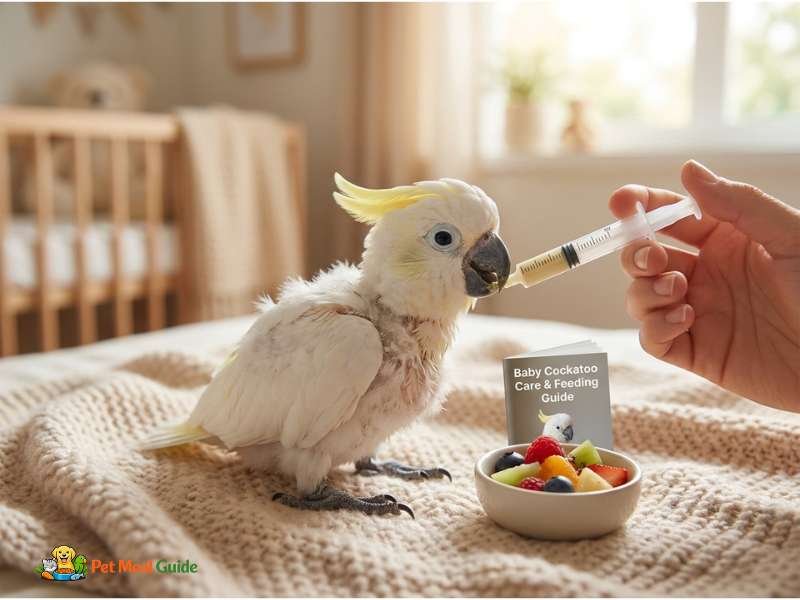
Recommended Cockatoo Cages & Feeding Essentials
Before bringing a young parrot home, your setup must be ready. Proper hand-feeding syringes, temperature-controlled brooders, and safe enclosures prevent fatal mistakes. Products should be displayed in a responsive card layout optimized for mobile and desktop.
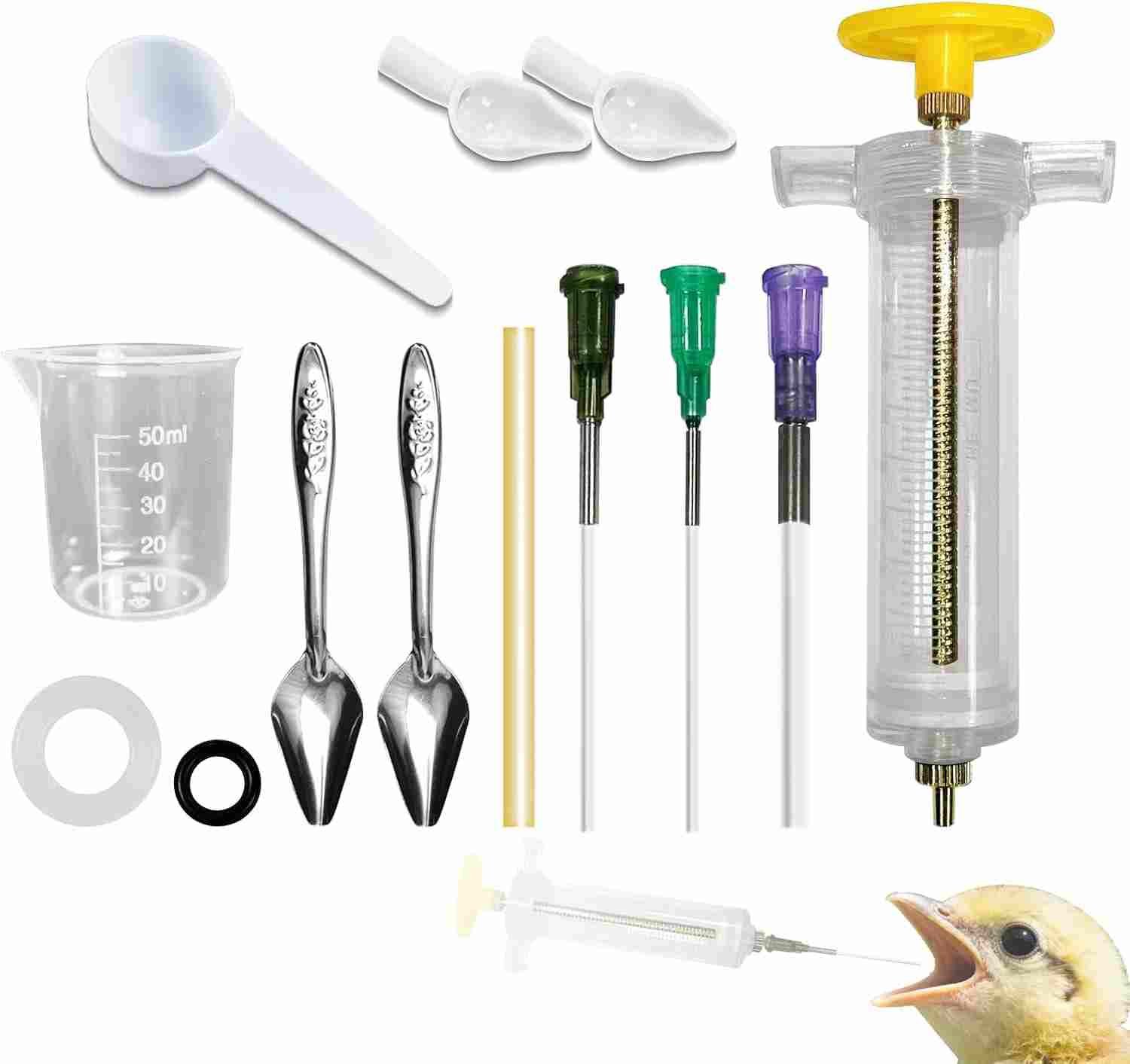
O-Ring Feeding Syringe Kit
Essential for safe crop feeding.
- Smooth gliding O-ring design
- Prevents formula aspiration
- Includes multiple tip sizes
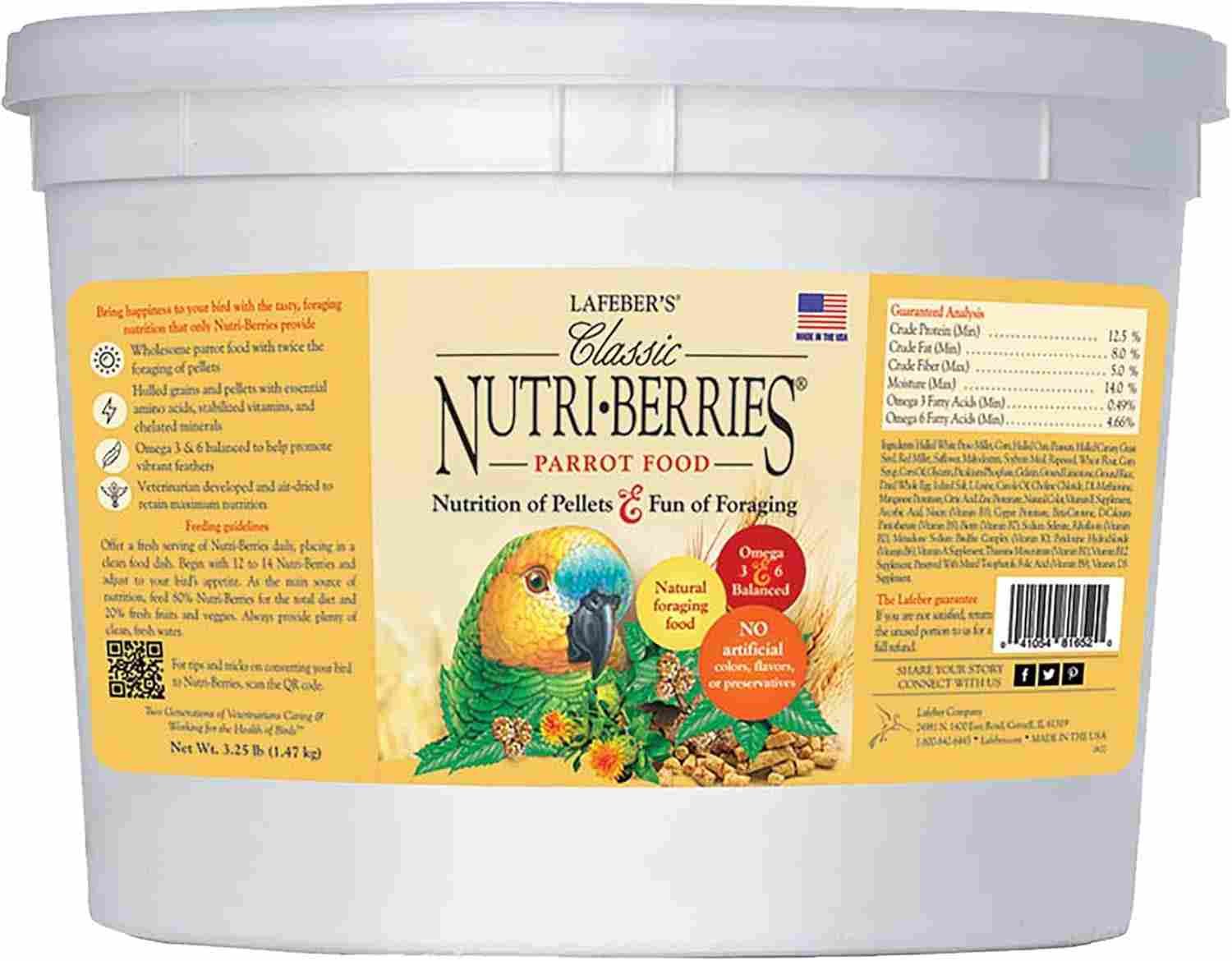
Organic Weaning Pellets
Perfect for the transition to solid foods.
- Veterinarian formulated
- Sized for juvenile beaks
- No artificial dyes or sugars
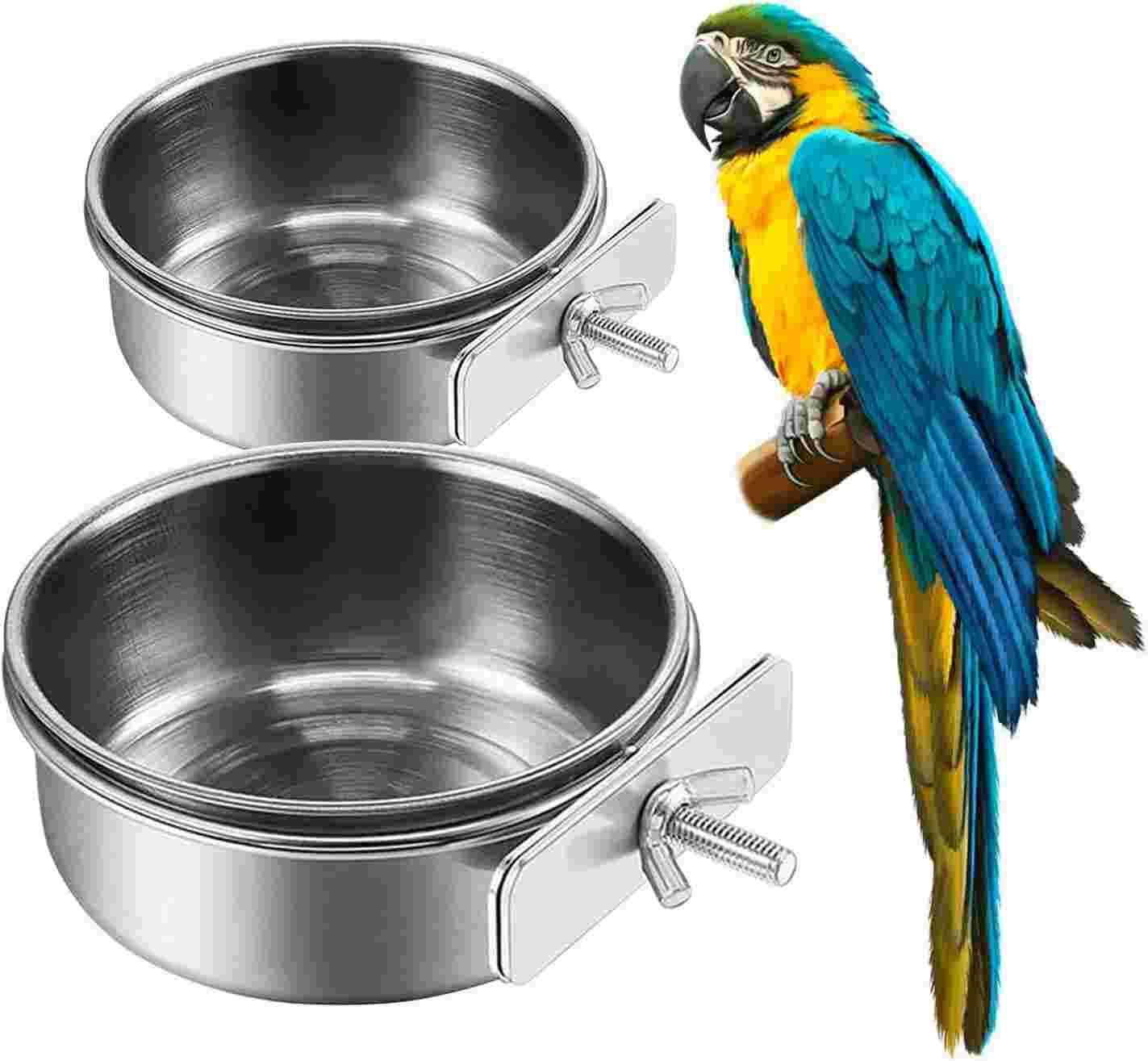
Locking Stainless Bowls
Hygienic and chew-proof.
- Prevents bacterial buildup
- Locks tight to cage bars
- Dishwasher safe
Raising a parrot from infancy is one of the most rewarding experiences a bird owner can have, but it is also one of the most critical stages of their life. A meticulously planned Baby Cockatoo Feeding Guide is your blueprint for avoiding the common, sometimes fatal, feeding mistakes that new owners make.
Baby cockatoo nutrition matters because the first few months dictate their long-term bone density, organ function, immune system strength, and emotional security. Proper growth and development rely on strict temperature control during hand-feeding, a gradual and stress-free weaning process, and a highly structured feeding schedule.
Unfortunately, many owners attempt crop feeding without understanding the risks of crop burn, aspiration, or malnutrition. By combining hands-on avian vet recommendations with evidence-based feeding practices, we will cover exactly how to master a healthy cockatoo feeding guide so your baby thrives into a well-adjusted adult.
What Should I Feed My Cockatoo?
You should feed an unweaned baby cockatoo a commercial, high-quality hand-feeding formula mixed with warm water (104°F–106°F). As they wean, you should feed them a diet consisting of 70% formulated parrot pellets, 20% fresh bird-safe vegetables and leafy greens, 5% fresh fruits, and 5% healthy treats like seeds or nuts.
- Always provide fresh, clean hydration.
- Strictly avoid toxic foods like avocado, chocolate, and onions.
- Transition to adult food slowly through “abundance weaning.”
What Do Baby Cockatoos Eat in the Wild?
In their native habitats across Australia and the surrounding islands, baby cockatoos do not eat dry seeds from a bowl. The natural diet provided by their parents consists of partially digested, regurgitated foods that are rich in moisture, enzymes, and warmth.
What do cockatoos eat in the wild? Parent birds forage for wild seeds, nuts, roots, seasonal fruits, blossoms, and occasionally insects. They break these down in their own crop before feeding them to the chicks. This natural feeding behavior naturally inoculates the baby’s digestive tract with healthy probiotics.
In captivity, we cannot perfectly replicate this regurgitated wild diet. Instead, we rely on scientifically formulated hand-feeding formulas that mimic the protein, fat, and vitamin profiles of wild foods while ensuring the bird receives adequate hydration. For a broader look at how different species adapt, you can explore what macaws eat in the wild compared to cockatoos.
What Should I Feed My Cockatoo? (The Complete Diet)
Once your bird moves past the hand-feeding formula stage, their nutritional needs expand drastically. Healthy food for cockatoos relies entirely on variety. You cannot rely on a single food source.
A vet-supported captive diet includes:
- Pellets (70%): The foundation of their nutrition. Pellets prevent selective eating.
- Vegetables & Sprouts (20%): High in Vitamin A and calcium. Dark leafy greens, sweet potatoes, and carrots are excellent.
- Fruits (5%): Papaya, berries, and apples (without seeds). Sugary fruits should be limited.
- Cooked Grains & Protein (Occasional): Quinoa, brown rice, and hard-boiled eggs.
A well-hydrated bird is a healthy bird. Fresh water must be changed twice daily to prevent bacterial sludge, which is especially dangerous to young birds with developing immune systems. Need help understanding broader parrot nutrition? Check our comprehensive parrot feeding guide for a healthy diet.
Baby Cockatoo Feeding Schedule by Age
Structure is life-saving for baby birds. A strict cockatoo feeding schedule ensures the crop empties appropriately—preventing sour crop (bacterial fermentation)—while providing enough calories for rapid growth.
| Age | Feeding Frequency | Formula Amount | Food Texture | Feeding Temperature |
|---|---|---|---|---|
| 1–2 Weeks | Every 2-3 hours (Around the clock) | 10-12% of body weight | Thin liquid (runny consistency) | 104°F – 106°F |
| 2–4 Weeks | Every 4-5 hours (Nighttime feeding may pause) | 10-12% of body weight | Applesauce consistency | 104°F – 106°F |
| 1–2 Months | 3-4 times a day | Varies by crop capacity | Thicker pudding consistency | 104°F – 106°F |
| Weaning Stage | 1-2 times a day (Morning/Night) | Decreases as solid intake rises | Introduce soft chopped veggies and soaked pellets | Formula remains warm; solids at room temp |
Baby Cockatoo Hand Feeding Guide
Hand feeding requires sterile precision. You must prepare the hand-feeding formula fresh for every single meal. Discard any leftover formula immediately—bacteria multiply rapidly in warm, nutrient-rich liquids.
Using a Feeding Syringe: Using an O-ring feeding syringe allows for smooth, controlled delivery. Place the syringe on the left side of the bird’s beak, aiming toward the right side of their throat. This aligns with the esophagus and avoids the trachea, preventing fatal aspiration (inhaling food into the lungs).
Feeding Posture: The bird should be standing upright, resting comfortably on a towel. Never feed a baby bird while they are lying on their back. For excellent comparative techniques, read our conure hand feeding guide and our baby parrot feeding guide.
What Is the Healthiest Food for Baby Cockatoos?
What is the healthiest food for baby cockatoos once they begin weaning? The transition from liquid to solid food should focus on soft, easily digestible items.
In the debate of pellets vs seeds, pellets win decisively. High-quality weaning pellets soaked in warm water or natural fruit juice (no added sugar) are an ideal first food. Incorporate calcium-rich foods like dark leafy greens (kale, broccoli) and vitamin A foods like mashed sweet potatoes and carrots.
Avian vets also recommend sprinkling a tiny amount of avian-specific probiotics on their weaning foods to help establish healthy gut flora. Healthy fats can be introduced via small amounts of crushed almonds or walnuts.
Healthy Food for Cockatoos — 100+ Safe Food List
One of the most frequent questions is, “What foods do cockatoo owners recommend for their birds?” Below is a massive, mobile-responsive table detailing the ultimate cockatoo food list.
| Food Name | Category | Safe Amount / Frequency | Nutritional Benefits |
|---|---|---|---|
| Sweet Potato (Cooked) | Vegetable | Daily | High Vitamin A for immunity |
| Carrots | Vegetable | Daily | Beta-carotene for eye health |
| Broccoli | Vegetable | Frequent | Calcium for bone growth |
| Kale | Leafy Green | 2-3x a week | Calcium and iron |
| Zucchini | Vegetable | Frequent | Hydration and fiber |
| Bell Peppers | Vegetable | Daily (Seeds are safe) | Vitamin C for feather health |
| Green Beans | Vegetable | Frequent | Plant-based protein |
| Peas | Vegetable | Frequent | Folate and vitamins |
| Butternut Squash (Cooked) | Vegetable | Daily | Digestive health |
| Swiss Chard | Leafy Green | Occasional (High oxalates) | Antioxidants |
| Apple (NO SEEDS) | Fruit | Occasional | Hydration and pectin |
| Papaya | Fruit | Frequent (Seeds safe) | Digestive enzymes |
| Blueberries | Fruit | Occasional | Powerful antioxidants |
| Mango (NO PIT) | Fruit | Occasional | Vitamin A |
| Banana | Fruit | Occasional | Potassium |
| Pomegranate | Fruit | Occasional | Heart health & enrichment |
| Kiwi | Fruit | Occasional | Vitamin C |
| Quinoa (Cooked) | Grain | Frequent | Complete amino acid profile |
| Brown Rice (Cooked) | Grain | Frequent | Complex carbohydrates |
| Oatmeal (Plain, cooked) | Grain | Frequent | Fiber and magnesium |
| Lentils (Sprouted/Cooked) | Legume | Frequent | Protein and iron |
| Chickpeas (Cooked ONLY) | Legume | Occasional | Protein and energy |
| Almonds (Unsalted) | Nut | 1-2 daily (Treat) | Healthy fats, calcium |
| Walnuts | Nut | 1 daily (Treat) | Omega-3 fatty acids |
| Pumpkin Seeds | Seed | Occasional | Zinc and magnesium |
| Chia Seeds | Seed | Occasional sprinkle | Omega-3s |
| Millet | Seed | Training treat | Foraging enrichment |
| Hard-boiled Egg | Protein | 1x a week | High-quality protein, calcium (shell) |
| Plain Chicken (Cooked) | Protein | Rare treat | Muscle development |
| Whole Wheat Pasta (Cooked) | Human Food | Occasional | Energy, fun texture |
*This table represents a sample of the 100+ foods safe for parrots. Always rotate varieties to prevent selective eating behaviors.
What Fruits and Vegetables Can Cockatoos Eat?
What fruits and vegetables can cockatoos eat? When building a chop (a finely diced mix of fresh produce), focus heavily on vegetables over fruits.
The best vegetables are dark, leafy, and deeply colored: kale, mustard greens, carrots, and squash. Hydration foods like cucumber and zucchini are great for summer months. Vitamin-rich foods like cooked sweet potato are essential for preventing Vitamin A deficiency, a common parrot ailment.
Fruits should be viewed as natural treats due to their high fructose content. Wild cockatoos burn off sugar through miles of flying; captive babies do not. Keep fruit to about 5% of the diet. For ideas on fresh produce prep that scales to smaller birds, read our guide on best fruits and vegetables for budgies.
What Human Foods Can Cockatoos Eat?
What human foods can cockatoos eat? Sharing food is a bonding experience. Safe human foods include fully cooked eggs (scrambled without butter), cooked brown rice, plain oatmeal made with water, plain whole wheat pasta, quinoa, and baked sweet potato.
A tiny bit of plain, thoroughly cooked chicken is also acceptable as an occasional protein boost. The golden rule is: No processed salty foods. Sodium is highly toxic to a bird’s kidneys.
Can I Feed My Cockatoo People Food?
Can I feed my cockatoo people food? Yes, but with strict portion control and extreme caution regarding ingredients. You cannot feed them off your dinner plate if the food contains salt, butter, cooking oils, onions, or garlic. Seasoning dangers are real; what is flavorful to you can cause hemolytic anemia in your bird. Always set aside a raw, unseasoned portion of vegetables for your bird before cooking your own meal.
What Seeds Do Cockatoos Eat?
What seeds do cockatoos eat? In the wild, they eat native bush seeds. In your home, they can safely eat chia, flax, hemp, millet, and pumpkin seeds.
But can cockatoos eat sunflower seeds? Yes, but sunflower seeds should be occasional training treats only. They are incredibly high in fat. Free-feeding sunflower seeds is the leading cause of obesity and fatal fatty liver disease in captive parrots.
Do Cockatoos Eat Mealworms?
Do cockatoos eat mealworms? Yes. Wild cockatoos routinely strip bark from trees to find grubs and insects to fulfill their protein needs. In captivity, dried or live mealworms can be offered occasionally. However, because pet birds live sedentary lives, use moderation. Always seek vet guidance if you feel your bird needs a protein boost during molting season.
Can Cockatoos Eat Bread?
Can cockatoos eat bread? Yes, but it provides little nutritional value. Only offer plain, toasted whole grain bread as a very rare treat. You must avoid sugary bread, white bread, or anything with preservatives. Bread expands in the crop and can make a baby bird feel full, causing them to reject their nutrient-dense weaning pellets.
Unsafe Foods For Baby Parrots (Toxic List)
Knowing what can cockatoos not eat is vital. An unweaned baby bird is incredibly fragile. Here is a mandatory toxic food checklist.
| Toxic Food | Why It Is Dangerous | Symptoms / Emergency Response |
|---|---|---|
| Avocado | Contains Persin, a highly lethal fungicidal toxin. | Heart failure, respiratory distress. Call emergency vet immediately. |
| Chocolate & Caffeine | Theobromine causes severe overstimulation. | Seizures, vomiting, cardiac arrhythmias, death. |
| Onion & Garlic | Thiosulfate destroys red blood cells. | Hemolytic anemia, extreme lethargy, collapse. |
| Alcohol | Depresses organ function instantly. | Loss of coordination, respiratory failure. |
| Fruit Pits (Apple Seeds) | Contains amygdalin (turns to cyanide). | Labored breathing, sudden death. |
| Xylitol (Artificial Sweetener) | Triggers massive insulin release. | Hypoglycemia, liver failure, seizures. |
| Raw Beans | Contains toxic lectins (hemagglutinin). | Severe gastrointestinal distress, crop impaction. |
What Food Is Bad for Cockatoos?
What food is bad for cockatoos? Beyond the immediately toxic items, “bad” foods include anything that contributes to slow health decline. Obesity foods like potato chips, crackers, and excessive nuts destroy the liver over time.
Fatty seed diets (the classic pet store “parrot mix”) are nutritionally vacant. Processed foods, dairy products (birds cannot digest lactose), and fried foods will lead to chronic malnutrition, poor feather quality, and a drastically shortened lifespan. Wondering how this compares to other birds? Check out what can budgies eat for similar warnings on a smaller scale.
The Best Parrot Diet (and Toxic Foods to Avoid)
To ensure you never feed a toxic or bad food, adhere to the golden ratio of the best parrot diet:
| Diet Component | Ideal Percentage | Notes |
|---|---|---|
| High-Quality Pellets | 70% – 75% | Prevents selective eating and malnutrition. |
| Fresh Vegetables | 15% – 20% | Focus on Vitamin A rich greens and roots. |
| Fresh Fruits | 5% | Serve as a treat; avoid high sugar. |
| Seeds, Nuts, Protein | < 5% | Use solely for training and foraging enrichment. |
Need diet ratios for other species? See our conure feeding guide or how often and how much to feed a budgie.
Does My Bird Need Extra Vitamins and Minerals?
Does my bird need extra vitamins and minerals? If you are feeding a diet that is 70% high-quality pellets, they generally do not need liquid vitamin drops in their water. In fact, supplementation risks are high; overdosing Vitamin D3 or Vitamin A can cause organ toxicity.
The main exception is calcium. Providing a cuttlebone allows the bird to self-regulate their calcium intake, which is critical for bone growth in babies. Always consult an avian vet before adding artificial supplements to their water or food.
Sulphur Crested Cockatoo Feeding Strategies and Methods
The Sulphur Crested Cockatoo is a highly intelligent, active forager. Sulphur crested cockatoo feeding strategies and methods must involve mental stimulation. Do not simply drop food into a bowl.
Implement enrichment feeding by hiding pellets in foraging toys, wrapping nuts in bird-safe paper, or creating chop trays mixed with wood blocks. Social feeding habits are strong in this species—they love eating when you eat. Sharing healthy meals prevents behavioral issues like screaming and feather plucking.
Do Birds Feel Love Towards Humans?
When you spend weeks hand-feeding a baby bird, a profound bond forms. But do birds feel love towards humans? Scientifically, cockatoos possess the emotional intelligence of a toddler. They display immense affection, trust, and loyalty.
Feeding is a primary flock behavior. When your baby cockatoo allows you to feed them, or later tries to regurgitate food for you, it is an expression of deep social bonding and love. For a look at how this bonding works in smaller, highly affectionate species, read about the types of lovebirds and what lovebirds eat.
Signs of a Healthy Baby Cockatoo
Monitor your baby bird closely. Signs of excellent health include:
- Steady Weight Gain: Use a gram scale daily before the morning feed.
- Vibrant Feathers: Feathers should emerge smooth and free of dark “stress bars.”
- Healthy Droppings: Feces should be firm and green/brown, with clear urine and white urates.
- Crop Function: The crop empties fully overnight and does not feel hard or spongy.
- Activity Level: An active, vocal, and alert bird seeking food and attention.
Common Baby Cockatoo Feeding Mistakes
- Overfeeding: Stretching the crop beyond its capacity leads to loss of muscle tone and sour crop.
- Cold Formula: Triggers crop stasis (food stops digesting and rots).
- Poor Hygiene: Reusing unsterilized syringes introduces deadly yeast and bacteria.
- Forced Weaning: Starving a baby to force them to eat solids causes psychological trauma.
- Seed-Only Diets: Transitioning a baby onto seeds rather than pellets guarantees future malnutrition.
Weaning Baby Cockatoos Safely
Weaning should be a gradual transition based on the bird’s readiness, not a calendar. This is known as “abundance weaning.” Provide an abundance of warm, soft foods—like soaked pellets, mashed sweet potato, and warm oatmeal—in shallow dishes while continuing hand-feeding.
As the bird explores and eats the soft foods, they will naturally reject the syringe over time. This fosters independence without causing stress. For examples of abundance weaning in smaller parrots, see our baby lovebird feeding guide or our baby budgie feeding guide.
Vet-Reviewed Feeding Advice
Expert Advice: According to the experts at VCA Animal Hospitals, balanced nutrition is one of the biggest factors in long-term cockatoo health. They emphasize that unweaned chicks require strict temperature control, and adult birds must be transitioned entirely off seed-heavy diets to prevent hepatic lipidosis (fatty liver disease).
Video Feeding Guide
Visual learning is often the best way to master syringe feeding and cage setups. Use responsive video embeds to watch professional hand-feeding tutorials before attempting it yourself.
Download Baby Cockatoo Feeding Chart PDF
Keep your feeding schedules and safe food lists readily available. Download our comprehensive feeding chart PDF, safe foods PDF, and toxic foods checklist PDF directly to your device.
⬇ Download Feeding Guide PDFFrequently Asked Questions
Conclusion: Nurturing Your Baby Cockatoo
Mastering a baby cockatoo feeding guide is the most important step you can take as a new parrot owner. From precise hand-feeding temperatures to providing a diverse, pellet-based diet full of bird-safe vegetables and fruits, your dedication to their nutrition ensures a long, vibrant life.
Remember to practice abundance weaning, avoid toxic human foods, and always monitor their crop health and weight. Healthy feeding habits established early on will prevent behavioral issues and build deep, lifelong bonding benefits between you and your feathered companion.
Ready to learn more? Check out our other safe food lists, download our free feeding chart, and explore our broader parrot care content at PetMealGuide.com to give your flock the best life possible.
Disclaimer: This article is for educational purposes only and should not replace professional avian veterinary advice. Every bird is unique. Always consult an avian veterinarian for diet changes, illness, or hand-feeding concerns.